
Industrial Continuity
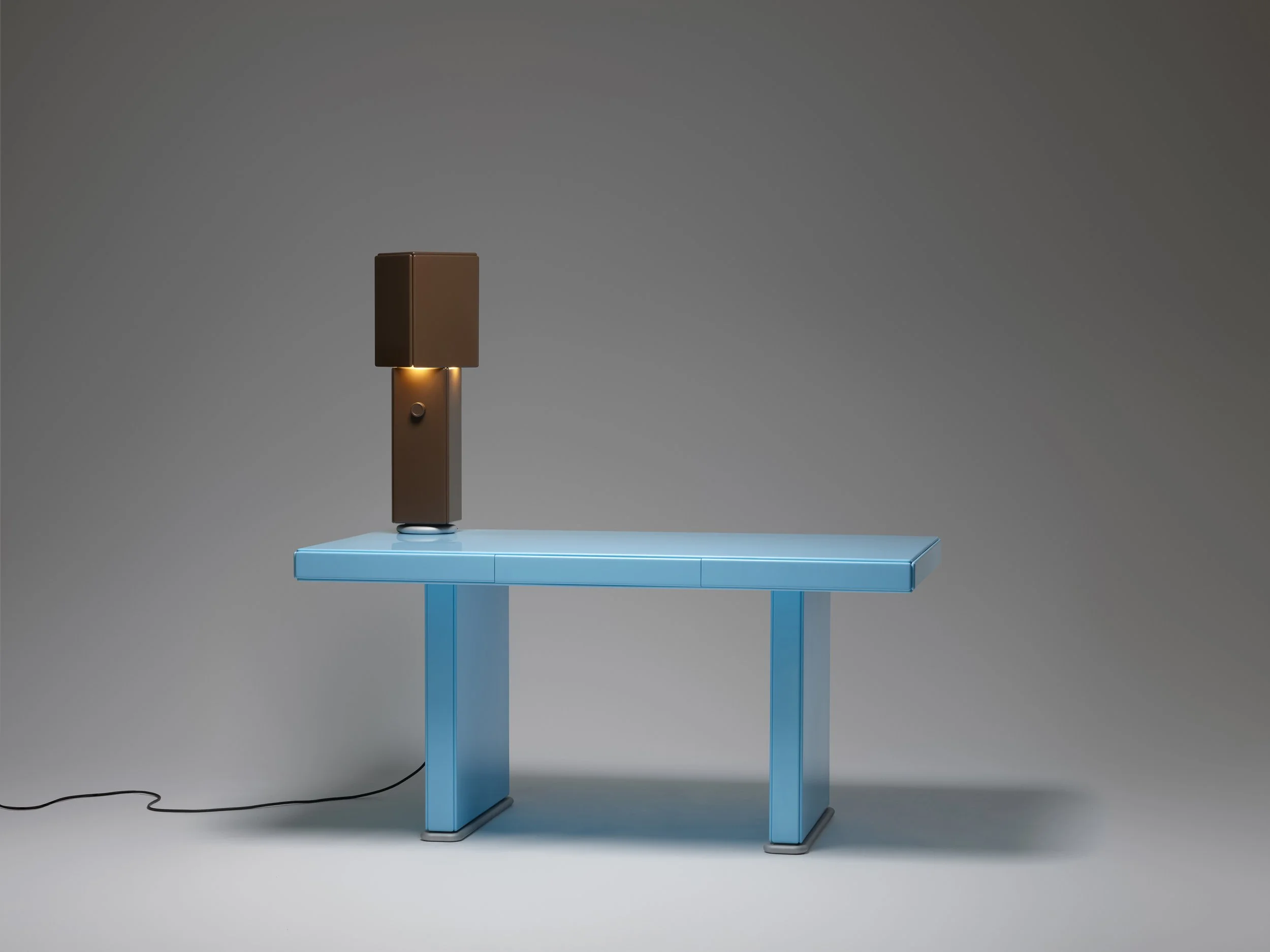
The Board collection, designed by Edward Robinson for Continuity at Jousse entreprise (image: courtesy of Edward Robinson).
“I feel like I've had quite a varied career,” begins designer Edward Robinson, speaking from his studio in a converted factory in northeast London, “but my approach has always been similar: everything has always been through the lens of industrial design.”
Across the English Channel in Paris, Robinson’s words are playing out in Continuity, his first solo presentation of work. Hosted by Jousse entreprise, the gallery’s Rue de Seine space has been filled with Robinson’s designs, from softly radiused boards of lacquered MDF that have been assembled into a family of lamps and desks, to spun metal bowls of domed aluminium, pairs of which have been rolled together to create stools. “For me,” Robinson says, “this show is really going full circle. Although I trained in furniture design, up until now I haven’t done a large amount of it.”
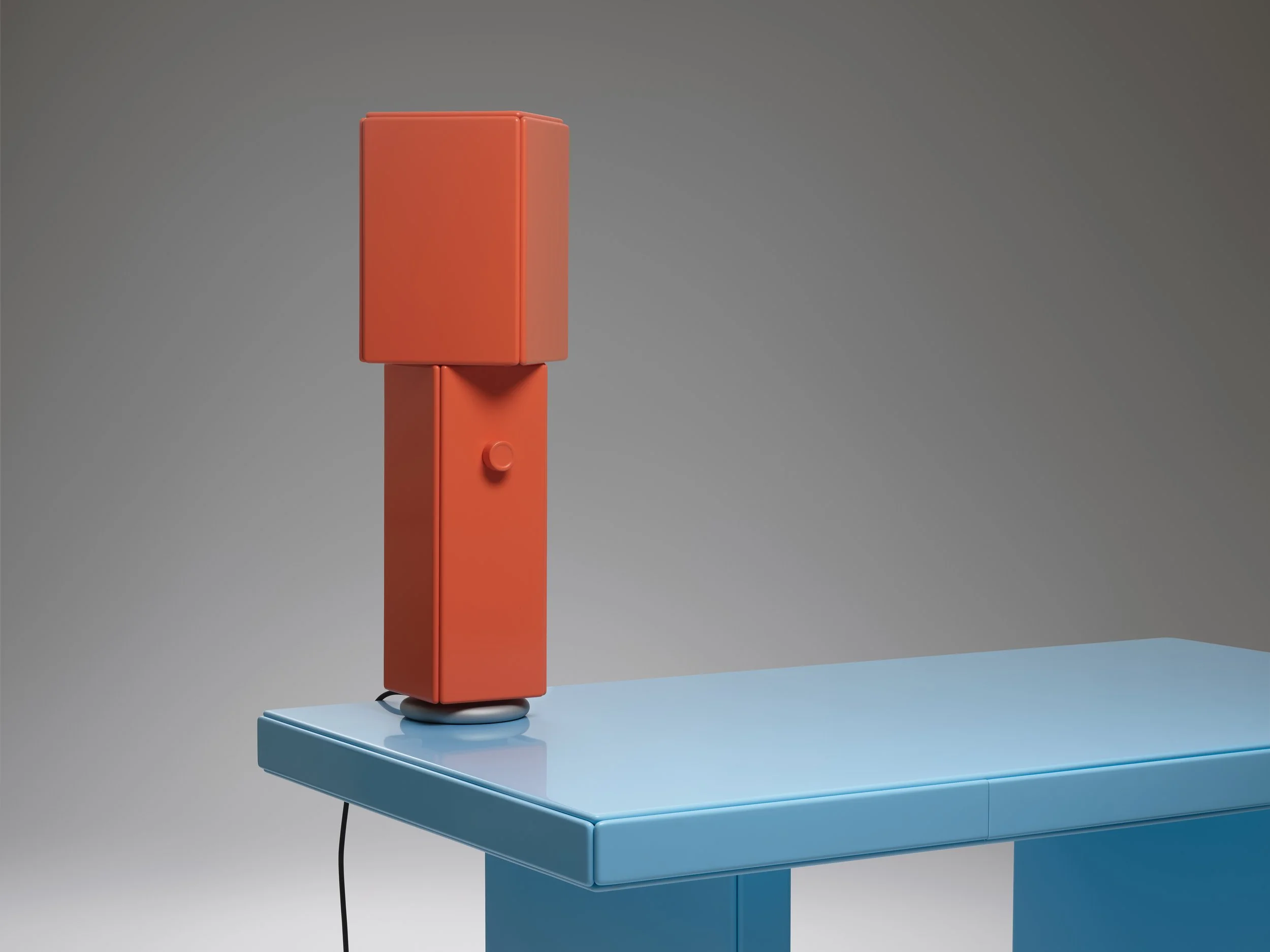
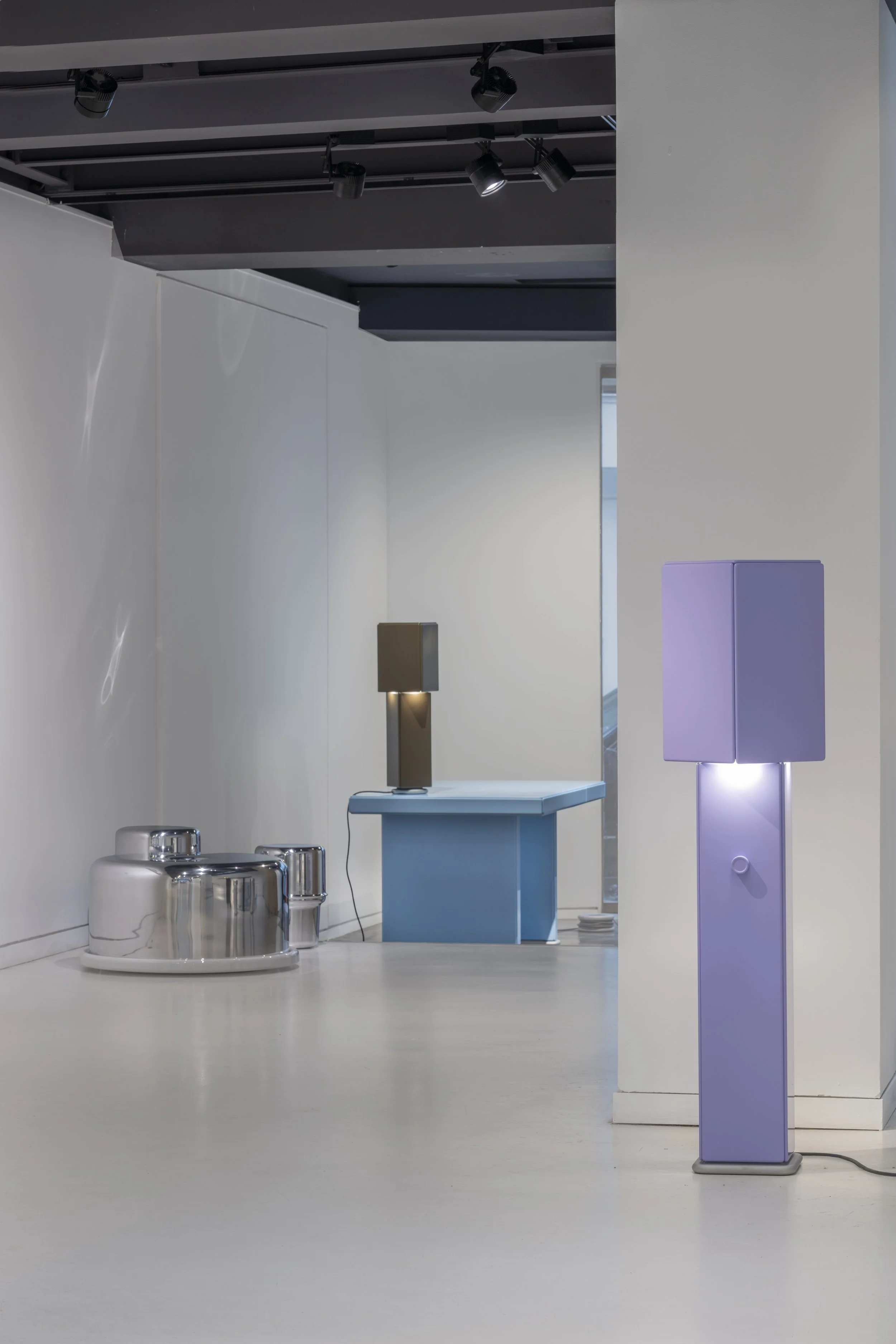
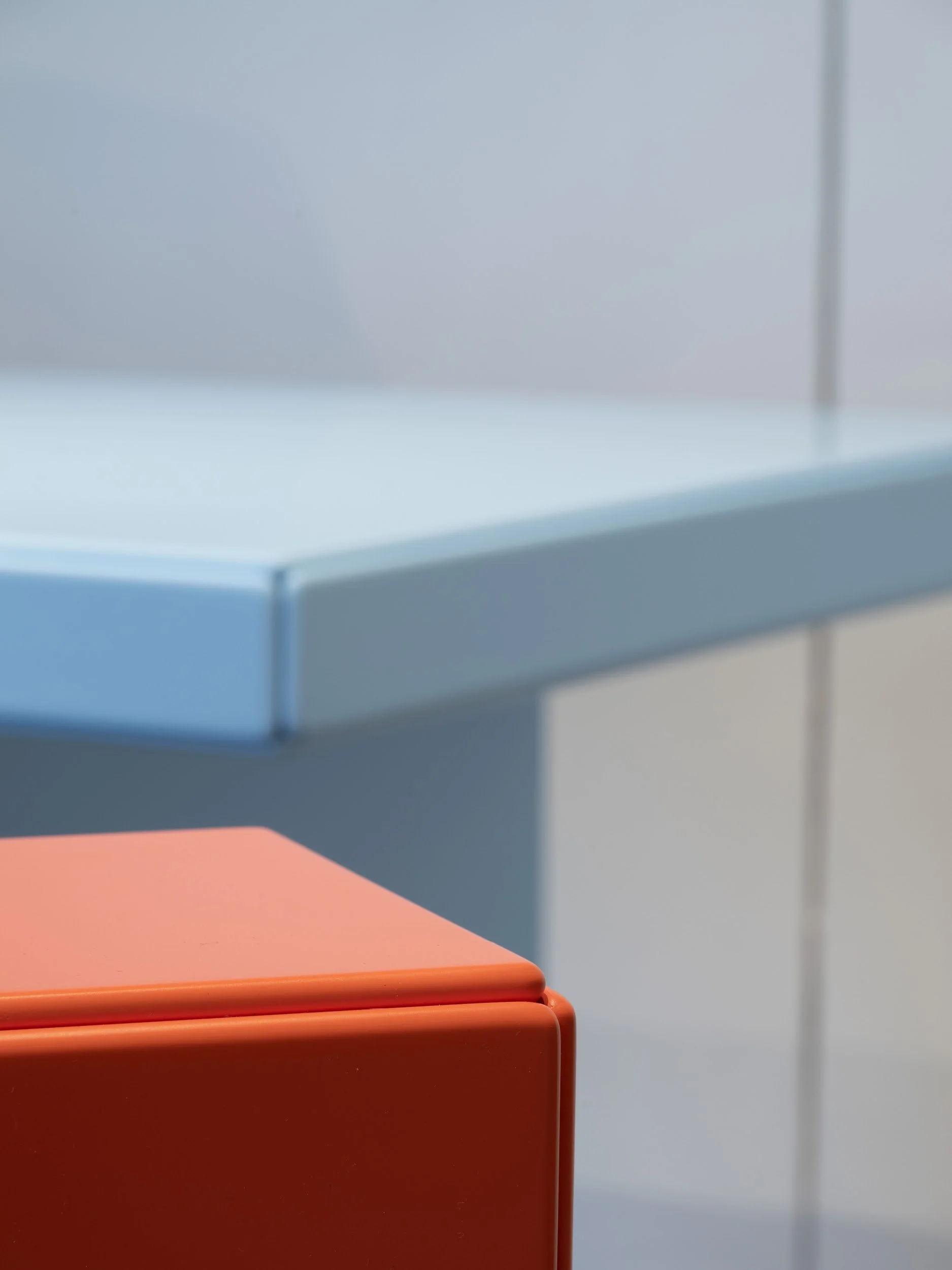
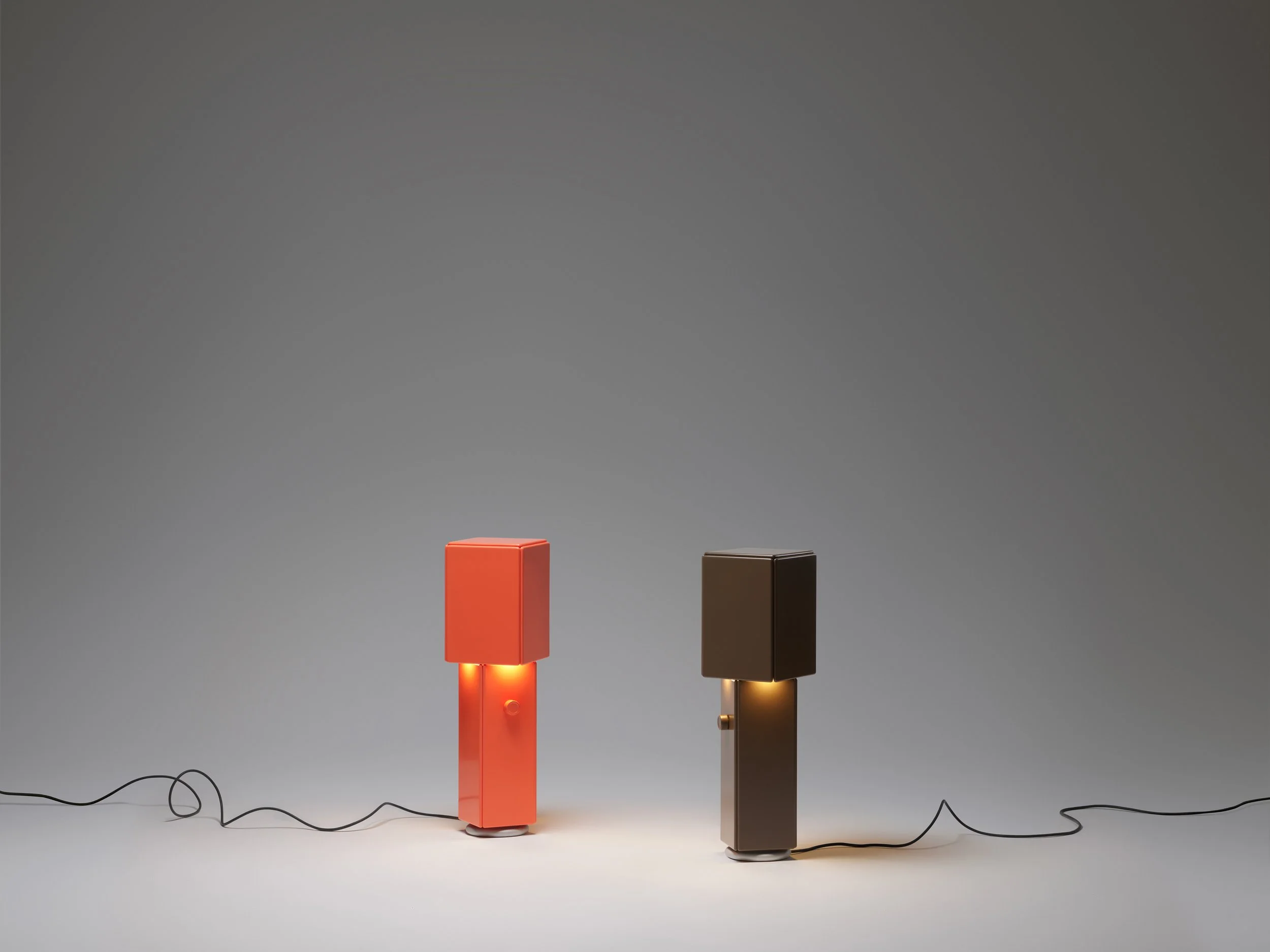
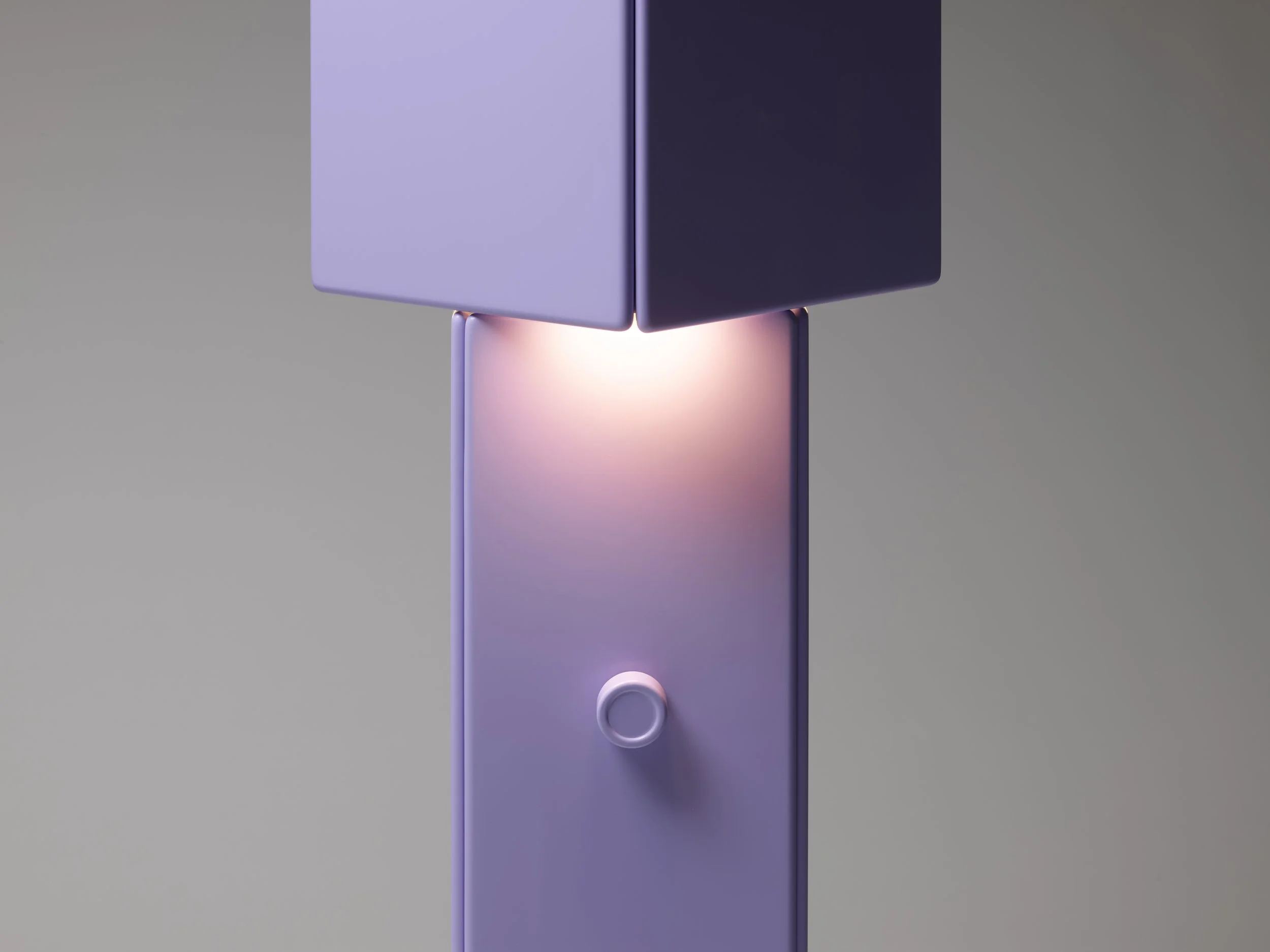
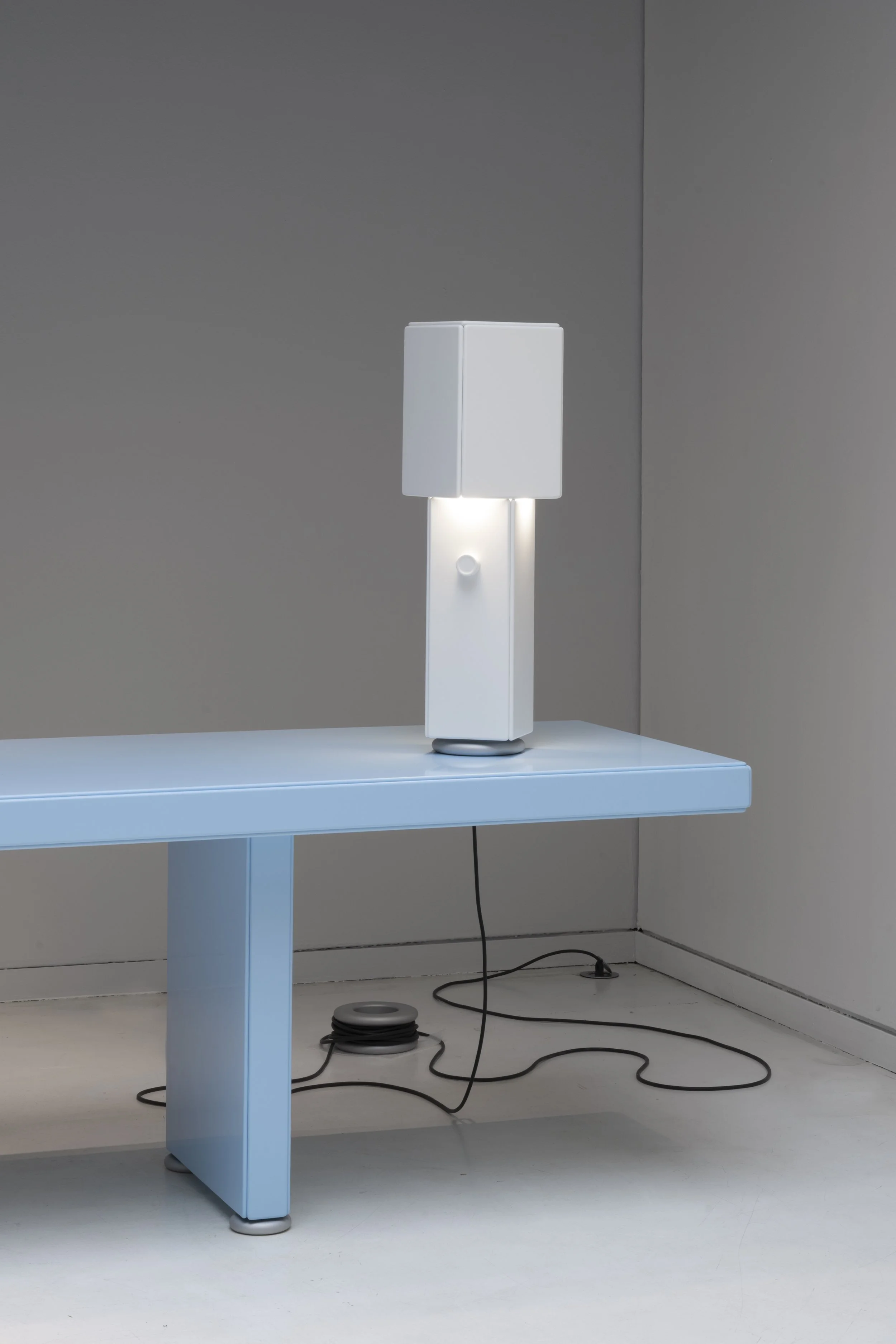
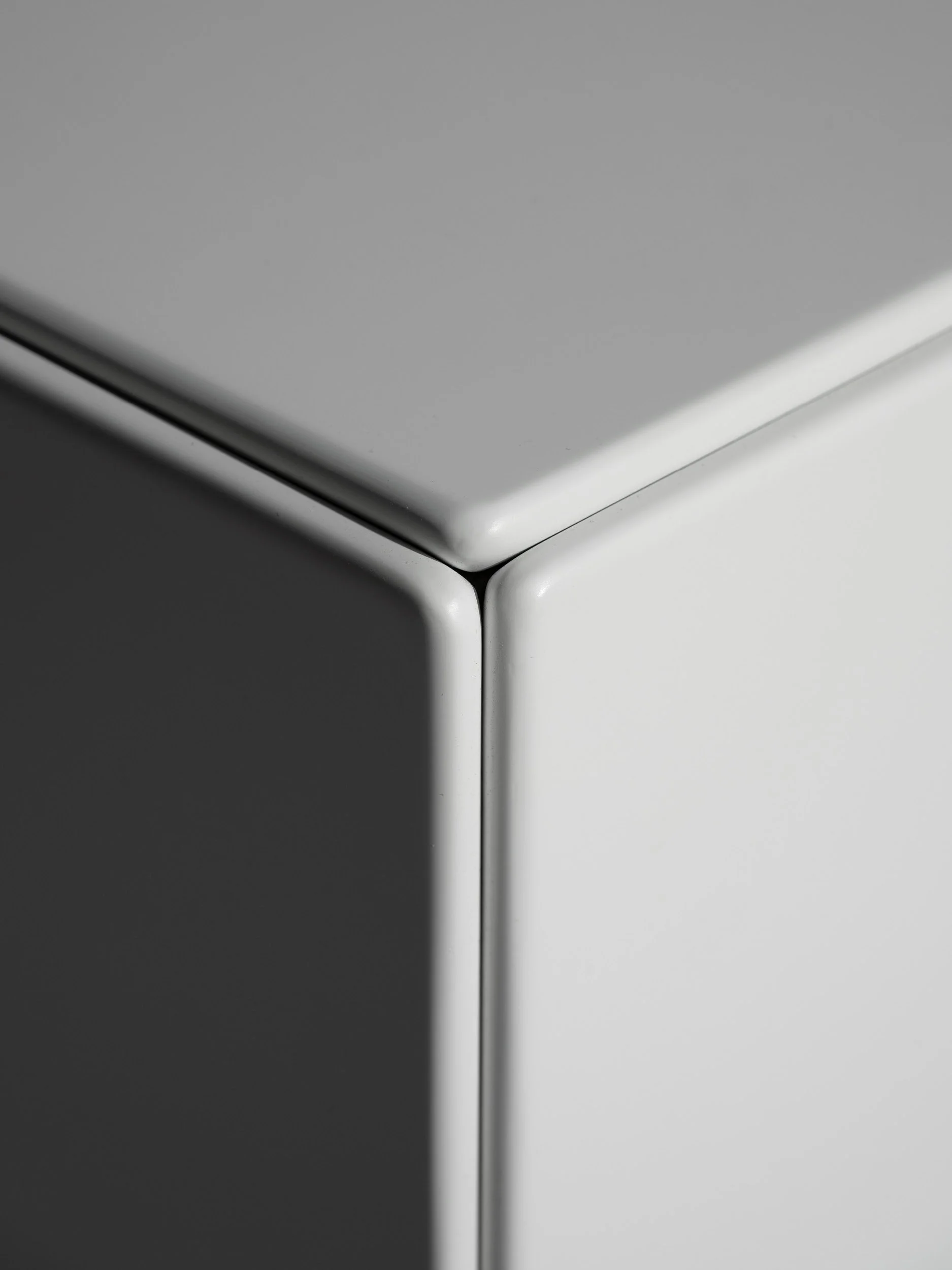
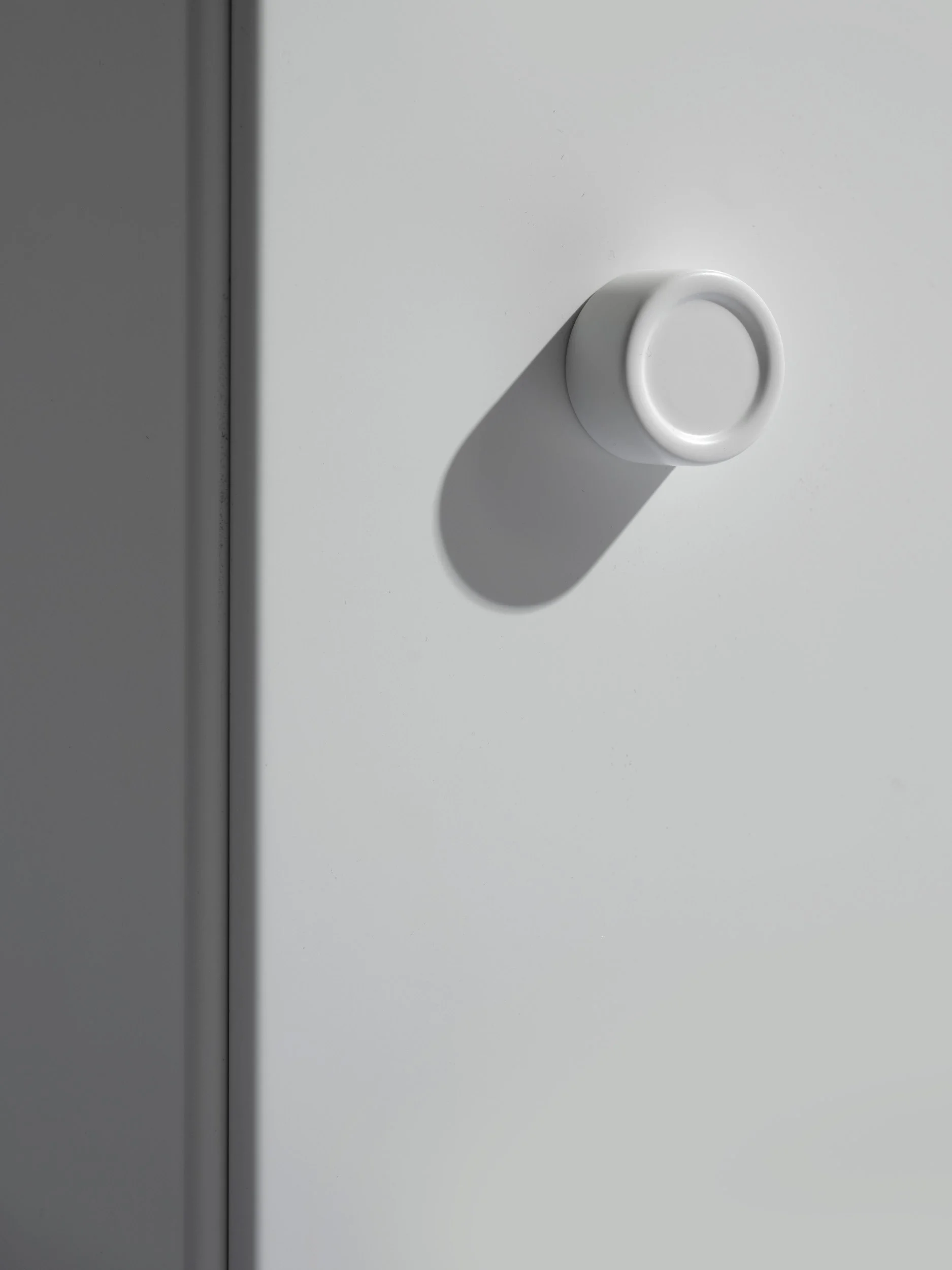
Continuity, Robinson explains, provides an industrial designer’s approach towards furniture. The central exhibit of the display is the new Board collection, in which lights, bureaus and tables have been created using lacquered sheets of MDF. The forms are simple, but granted character through the radius at which the different boards meet to assemble the pieces’ geometries: the individuals slabs just kissing before rolling away from one another in gentle radii. An eye for detailing is similarly present in Dyad, a stool made from two pieces of spun aluminium, the smaller, bottom one of which flares out to form a pert lip where it meets the wider element that sits above it. “There a lot of split lines and junctions in my work,” Robinson notes. “They’re not smoothed away, because those details are an area where you can see the precision and process of the making. My work is quite pure in some ways, but it's not lacking depth – I think the intricacy of those connections can bring that level of interest.”
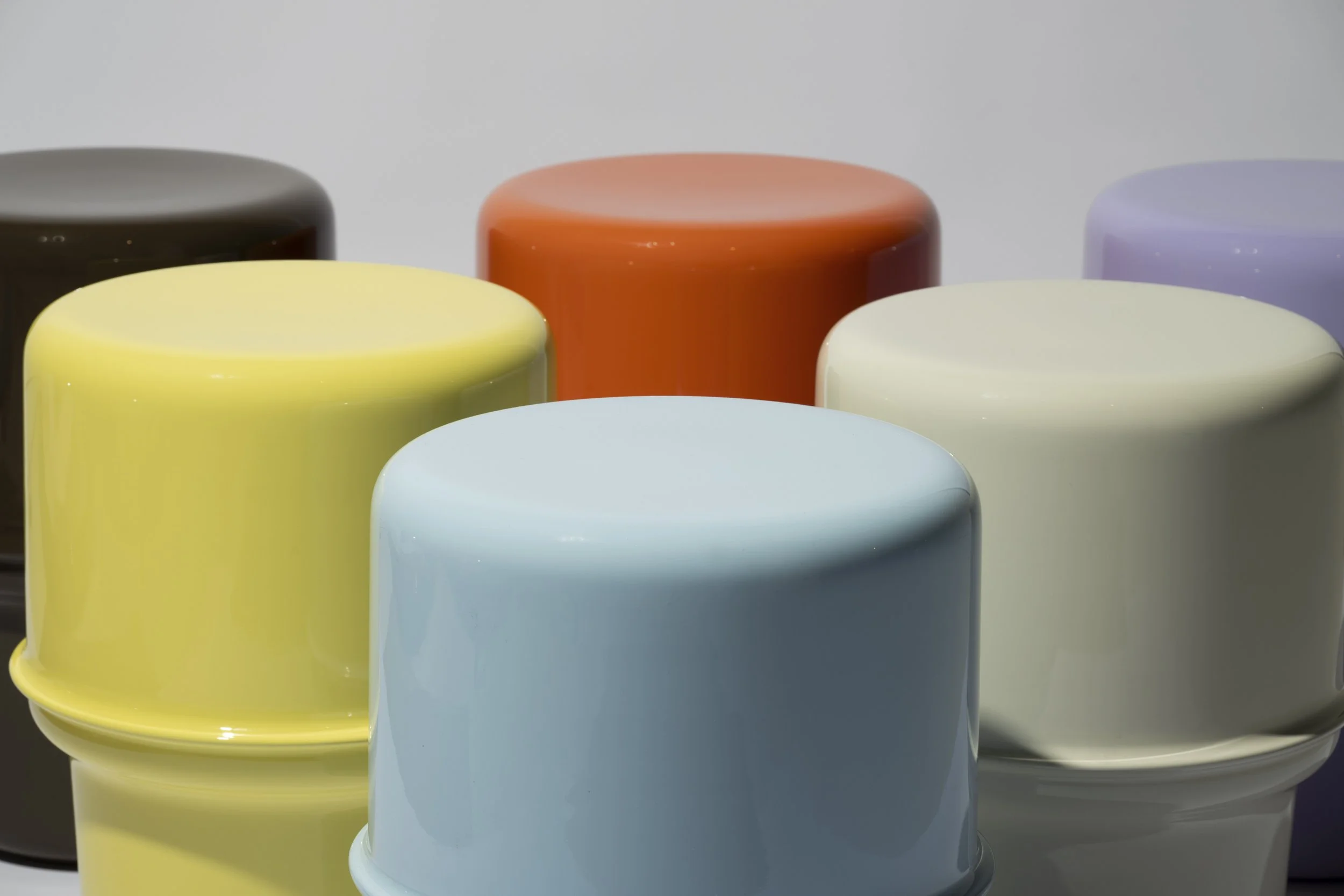
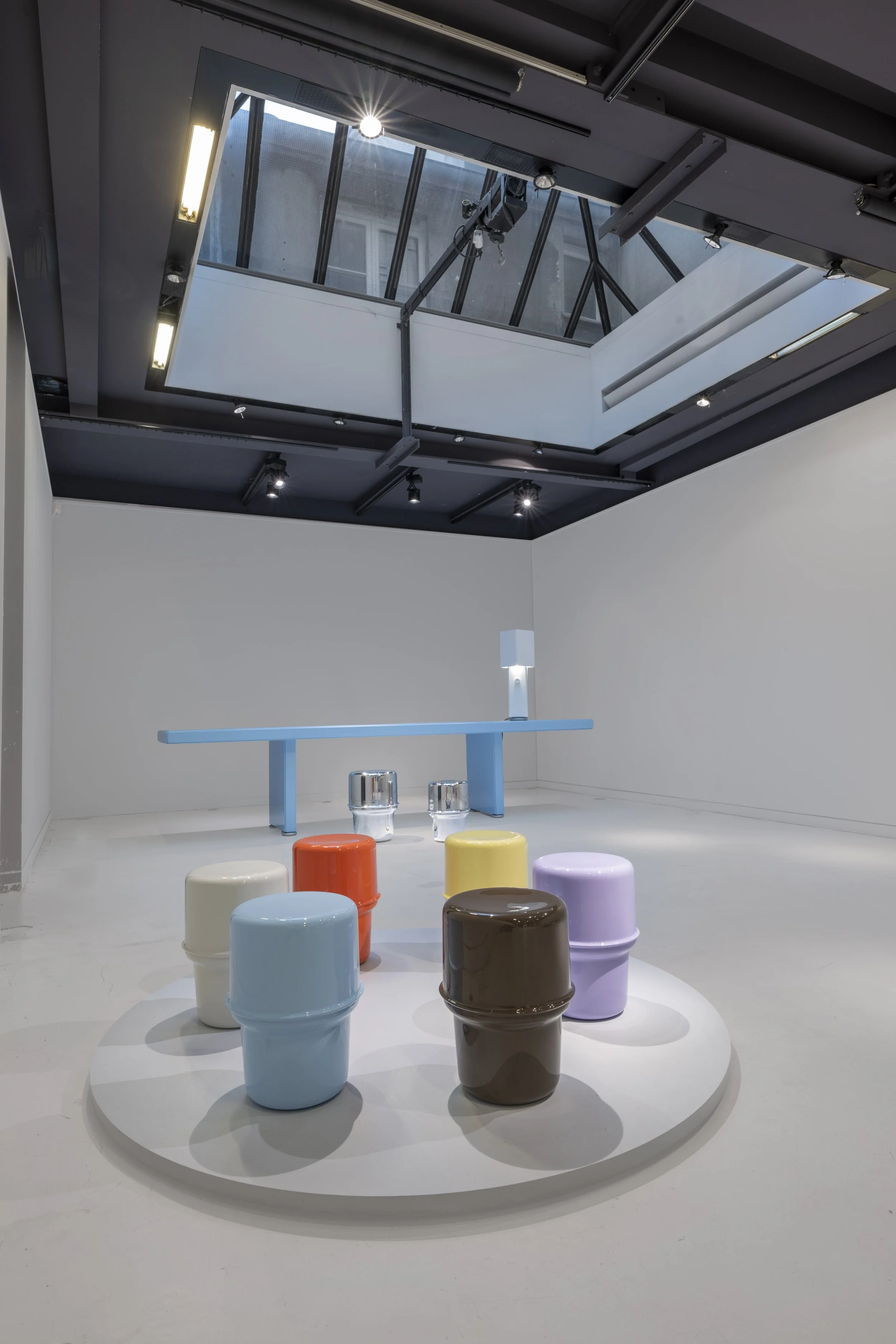
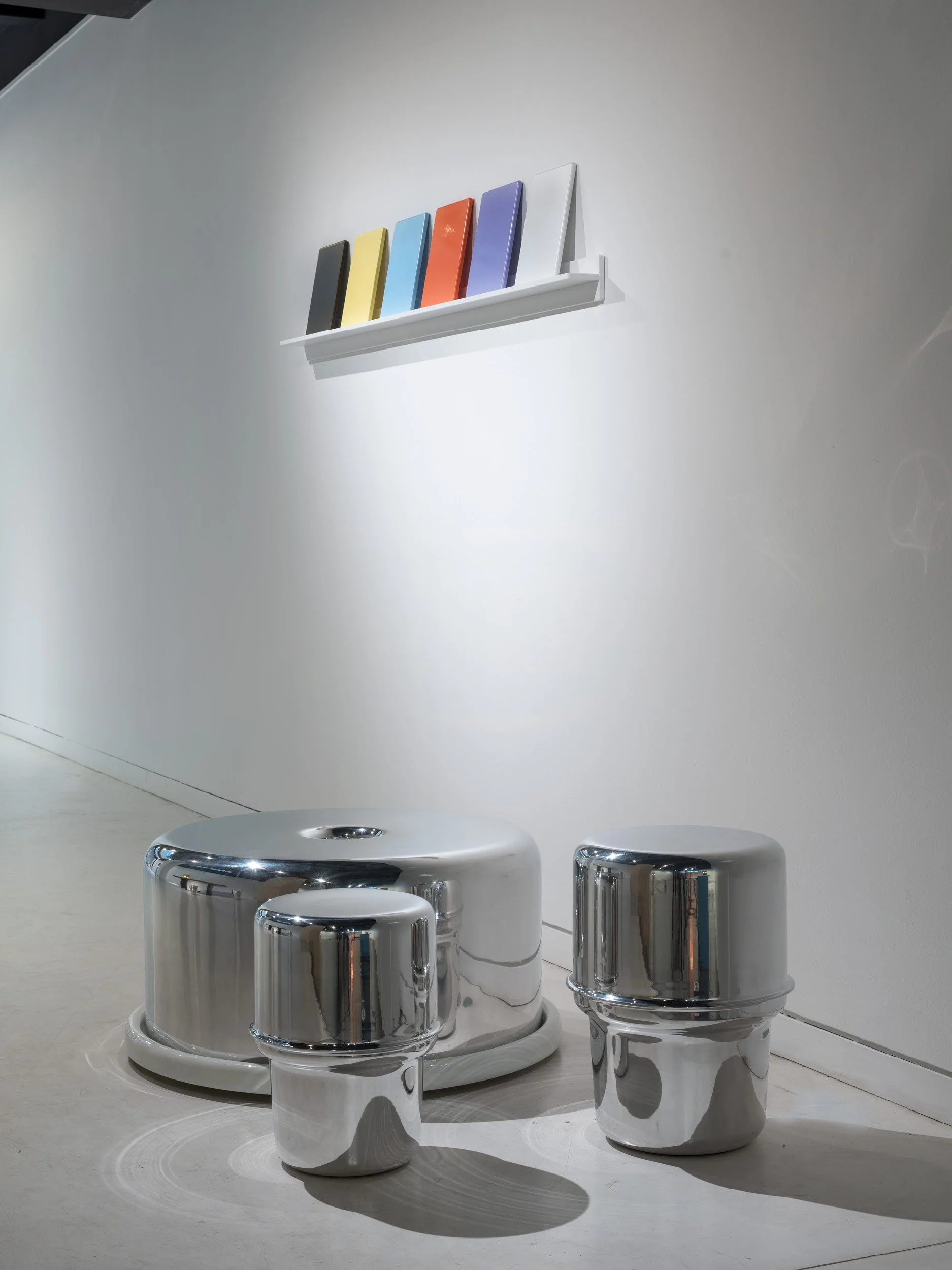
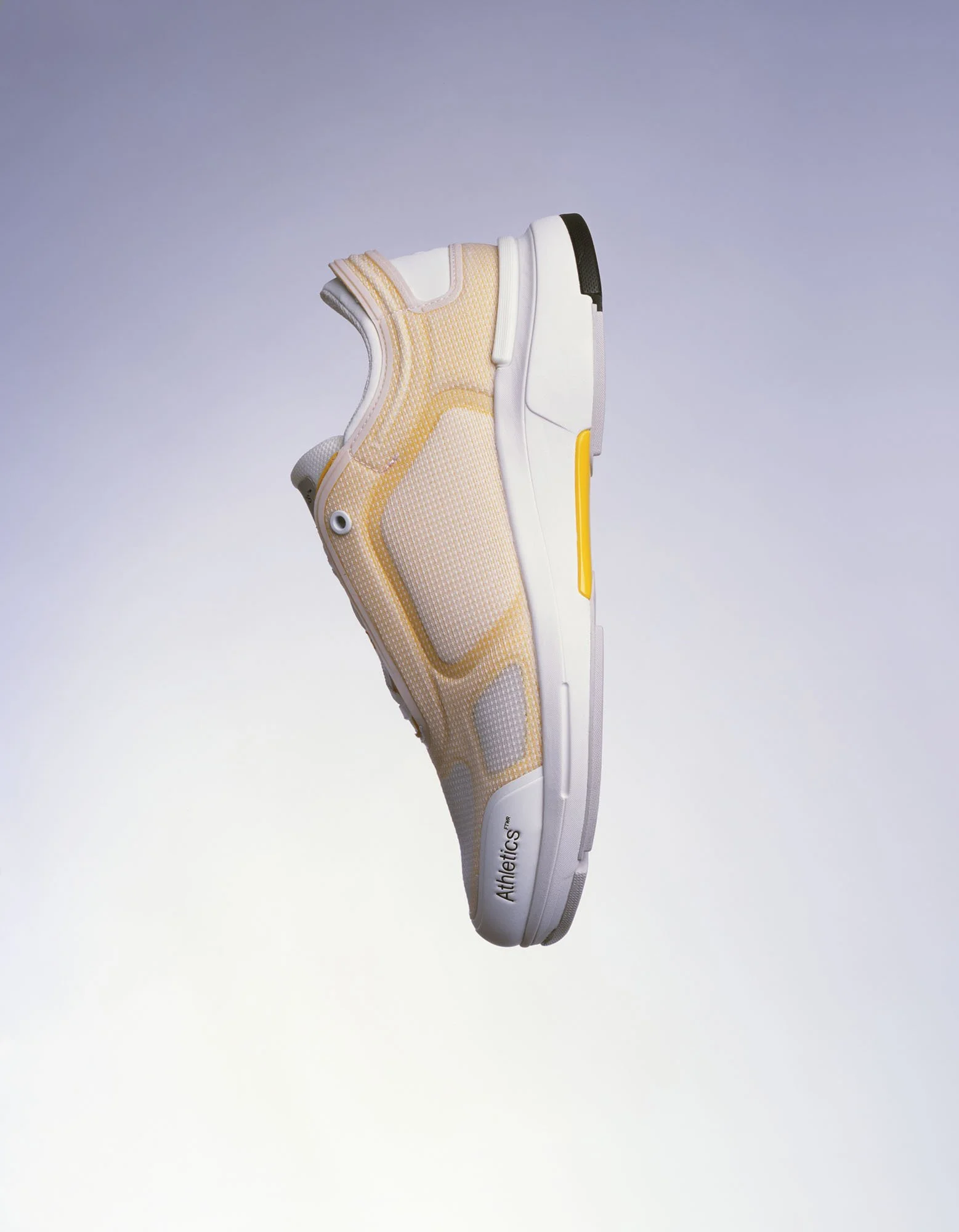
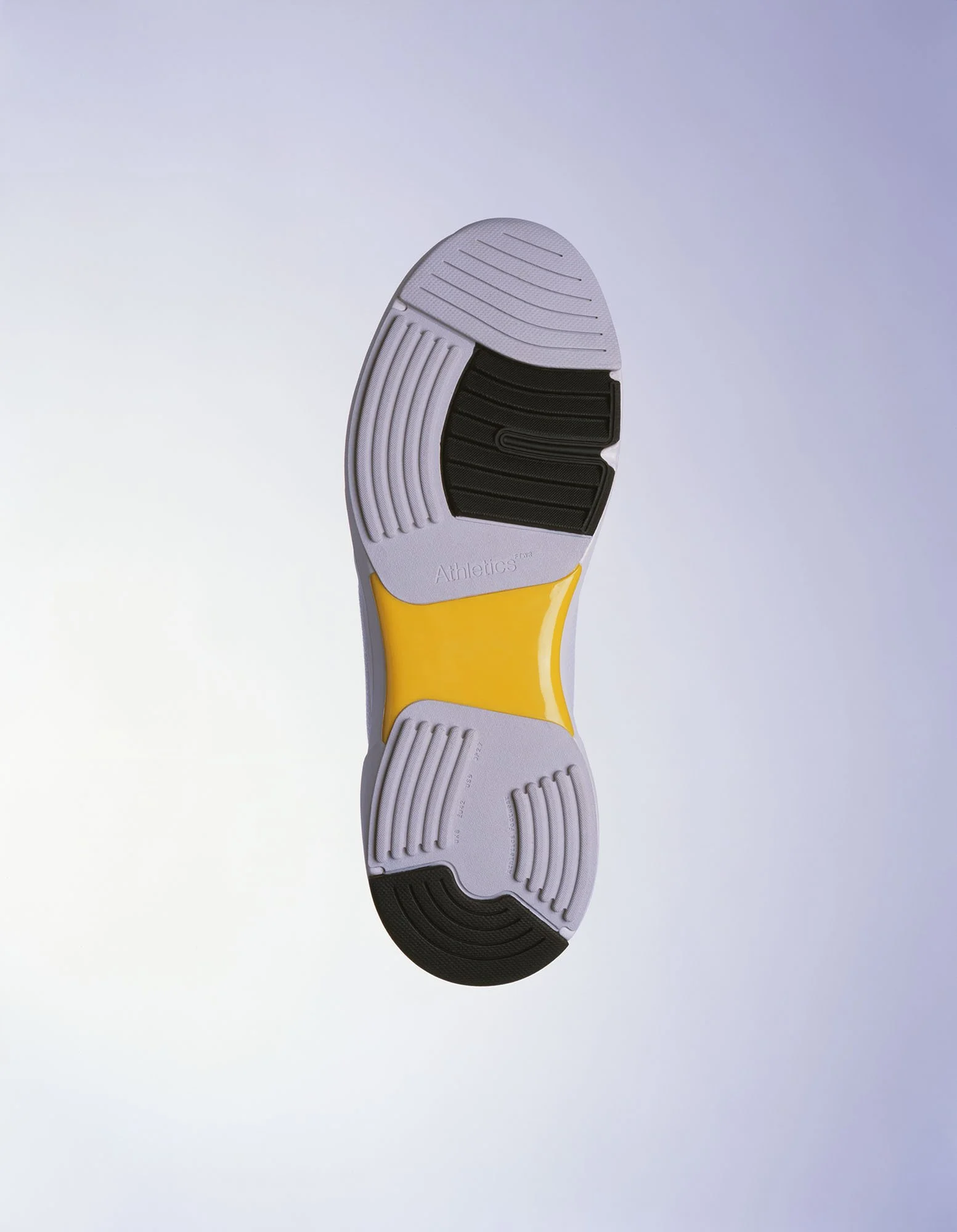
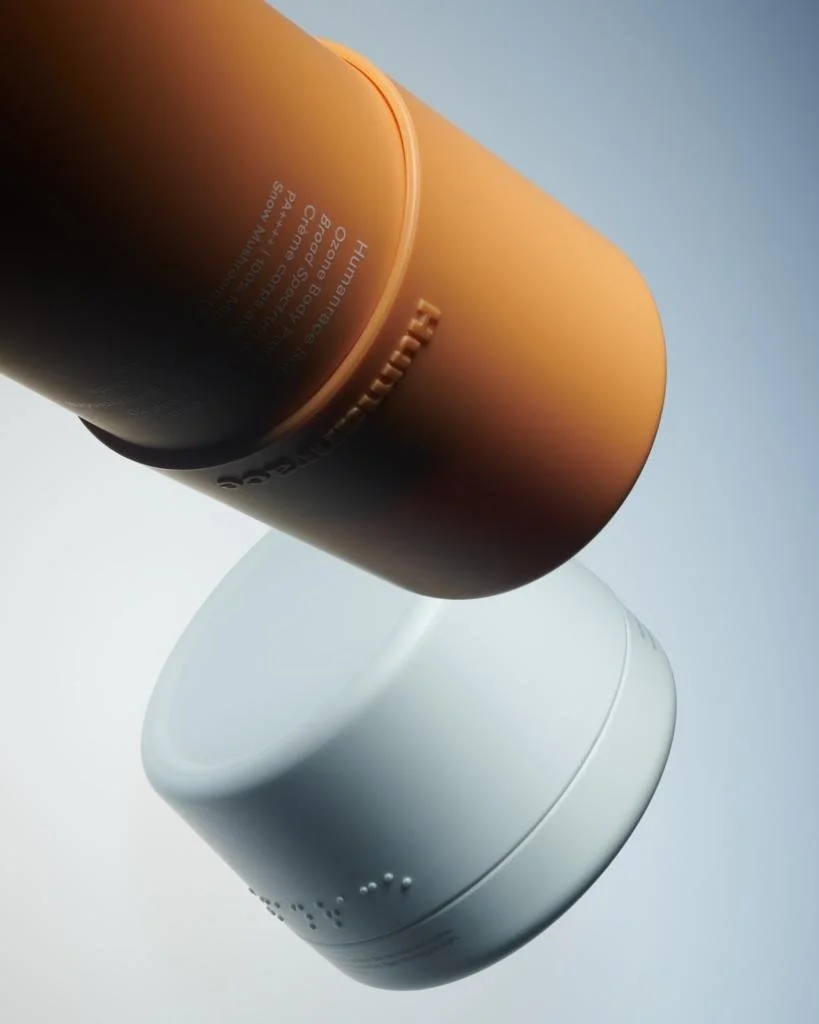
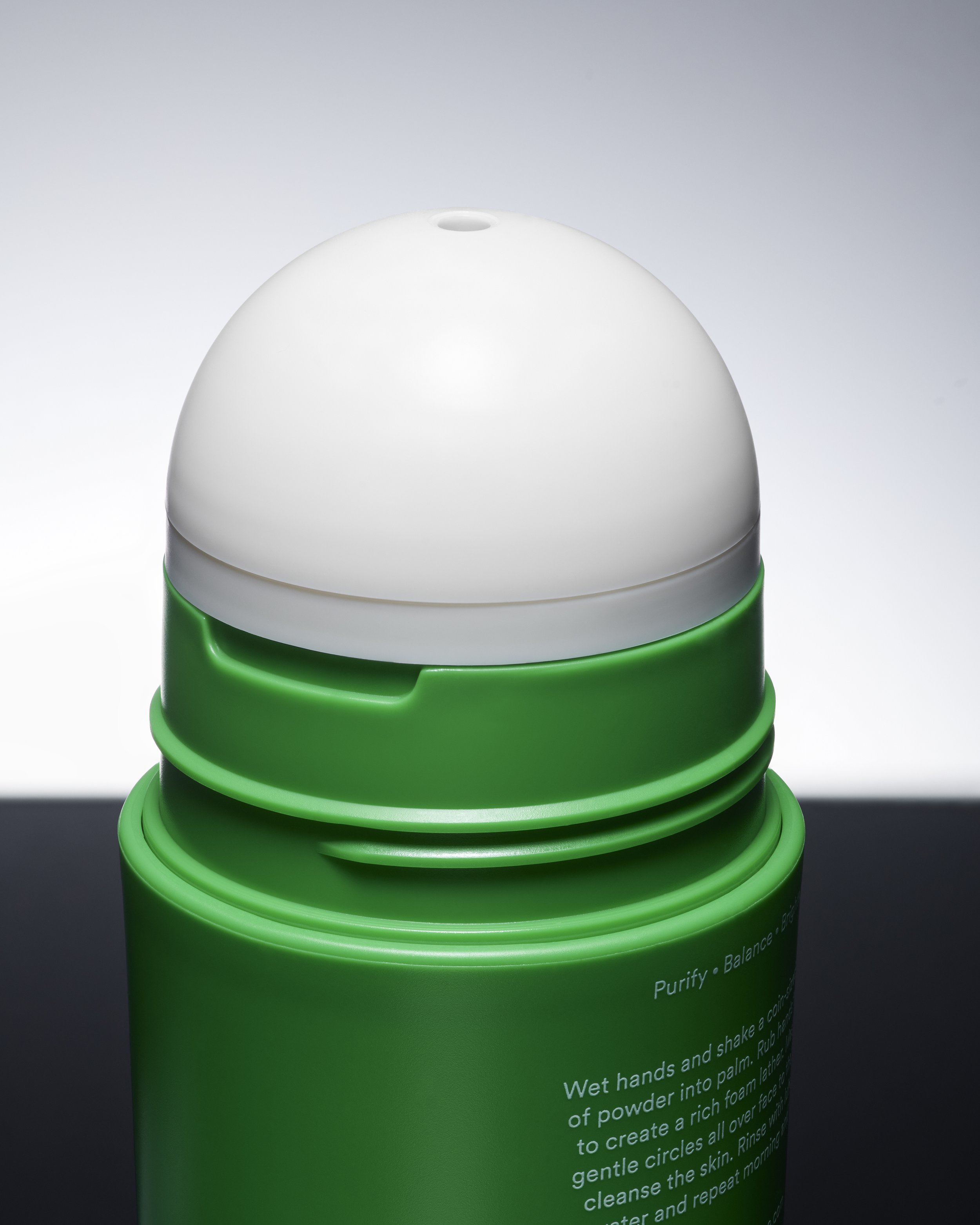
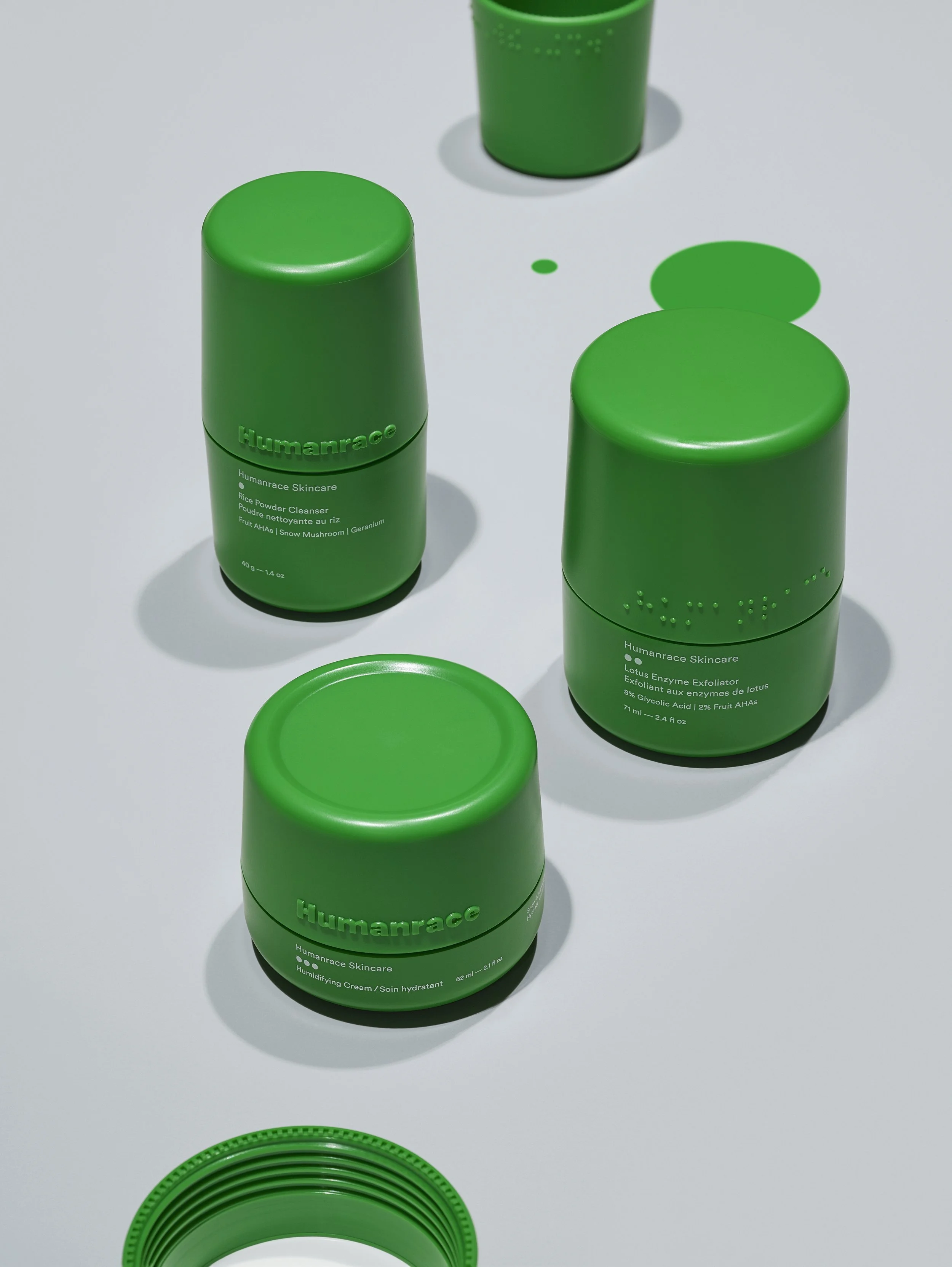
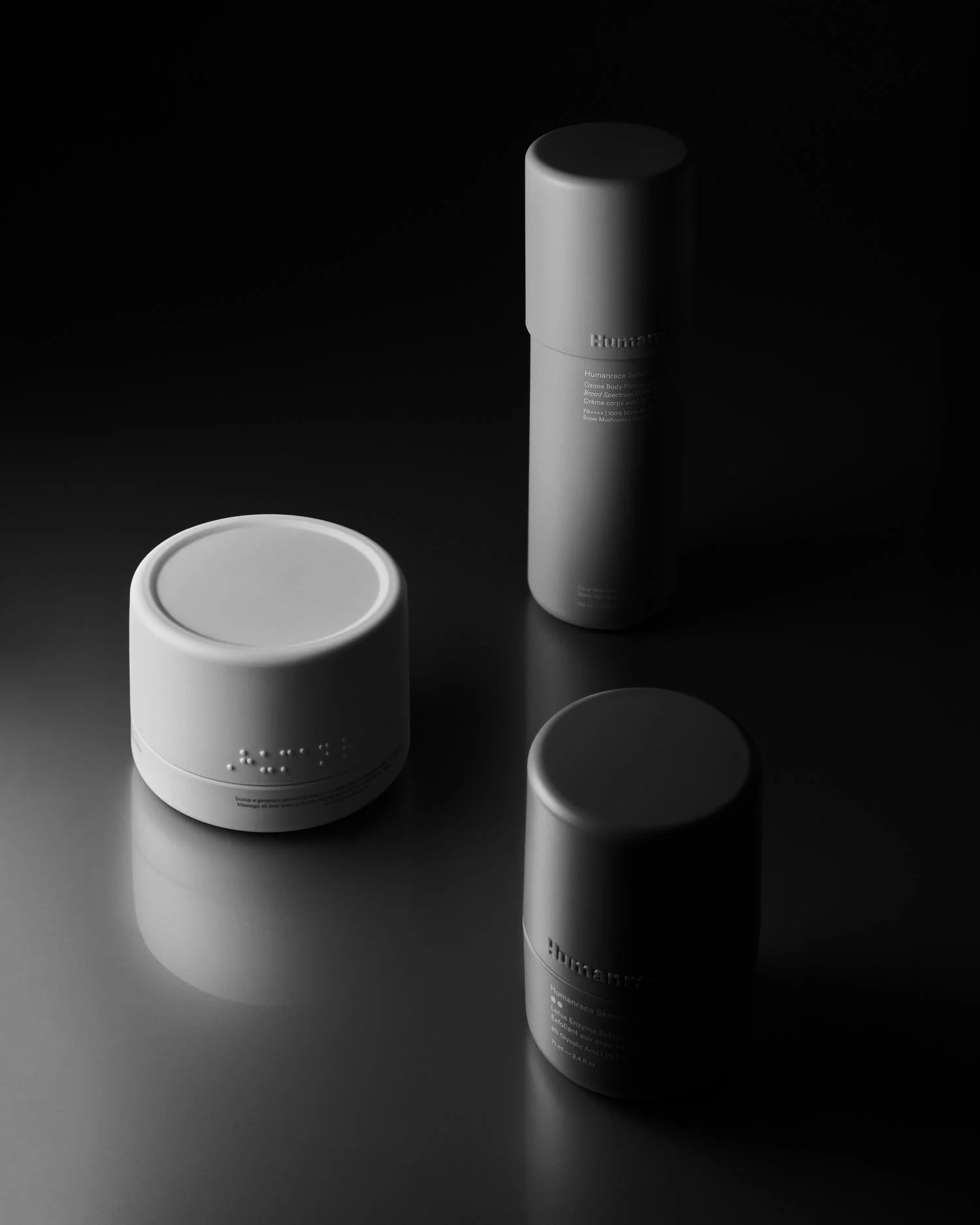
This emphasis on detailing through making has been typical of Robinson’s wider design work. He initially studied three-dimensional design at Northumbria University, where his 2009 graduation furniture project – another spun metal stool, of which Dyad serves as an evolution – was picked up for production by Thorsten van Elten. From here, he assisted designer Max Lamb with sculptural furniture commissions for galleries and institutions, before working with Alexander Taylor across product, furniture and sportswear design. After these roles, however, Robinson’s practice diversified into different fields. He served as a founding partner of footwear company Athletics FTWR in the late 2010s, helping to build the brand’s design language and manufacturing, while the early 2020s saw him move to Los Angeles, where he acted as head of industrial design at Humanrace, overseeing all aspects of product and brand identity for the skincare company. “I really loved that challenge because you’re working at the scale of quarters of millimetres,” Robinson explains of his work at Humanrace, for which he designed packaging. “Actually, Continuity was kind of a reaction to that: wanting to work in that same way with detailing, but at an increased scale.”
If Continuity represents a return to the furniture design of Robinson’s early career, it also symbolises new territory for Jousse entreprise, a gallery that built its reputation through its displays of post-war, 20th-century design from the likes of Charlotte Perriand and Jean Prouvé. With Continuity, by contrast, it is now embarking upon displays of contemporary industrial design. “There's the continuity of what I've been doing,” says Robinson, “but the name also works for the gallery, because it has specialised in looking backwards, whereas this is now a forward-looking show.” In this regard, the show serves as a showcase for the beauty of industrial design and a justification for its display within a gallery format, with both Board and Dyad celebrating the kind of precision and care for processes, materials and details that Robinson sees as a hallmark of his profession. The forms are pure, highly functional and clean, but small elements – such as satisfyingly chunky knobs on the Board lights and the bright lacquer coats that have been applied across both collections – combine to create a sense of the objects as what Robinson terms “creatures”: “I think people really respond to things that have a bit of levity or character to them,” he says. To complement this approach, Robinson has also designed Cloche, a spun aluminium table, in which a silver dome sits atop a base of lacquered metal, providing a larger scale adaptation of the same design language seen in Dyad. “I wanted to avoid them just looking like objects in a gallery,” Robinson says, “because the space is usually curated to have more dimensions and feel more like a living environment.” Together, Board, Dyad and Cloche provide sufficient variety to create a rhythm within the space and generate a dialogue between the separate designs.
While Continuity embraces this diversity, however, its name gives away the essential connections between Robinson’s designs. “At the end of the day, I'm an industrial designer,” he says, distancing himself from the kind of self-expressive design work (“Which is a very valid approach”) that is often associated with gallery displays. “I typically have a client and they've asked me to solve something,” he adds, “but the continuity is that I've always given my work a level of authorship – a kind of ‘hand’, even if it's within the realms of brands.” While Robinson acknowledges that producing industrial design work for galleries in the manner of Dyad and Board is not his sole ambition, he explains that these collections could have ended up within different contexts. “When I started, I made the objects because I was intrigued, but this just felt like an amazing opportunity,” he says. Across his studio, prototypes of the Continuity objects are scattered around the space, in addition to new works in progress whose forms are similarly nearly radiused, the seams of their construction on full display. “My process is a very old-school standard one,” he explains. “Model, make, repeat. There’s not, for want of a better word, a sexy or individual way of describing that industrial design process, but maybe there doesn’t need to be – it’s the designer’s individual hand where the difference comes in.”