

Design highlights
Stories
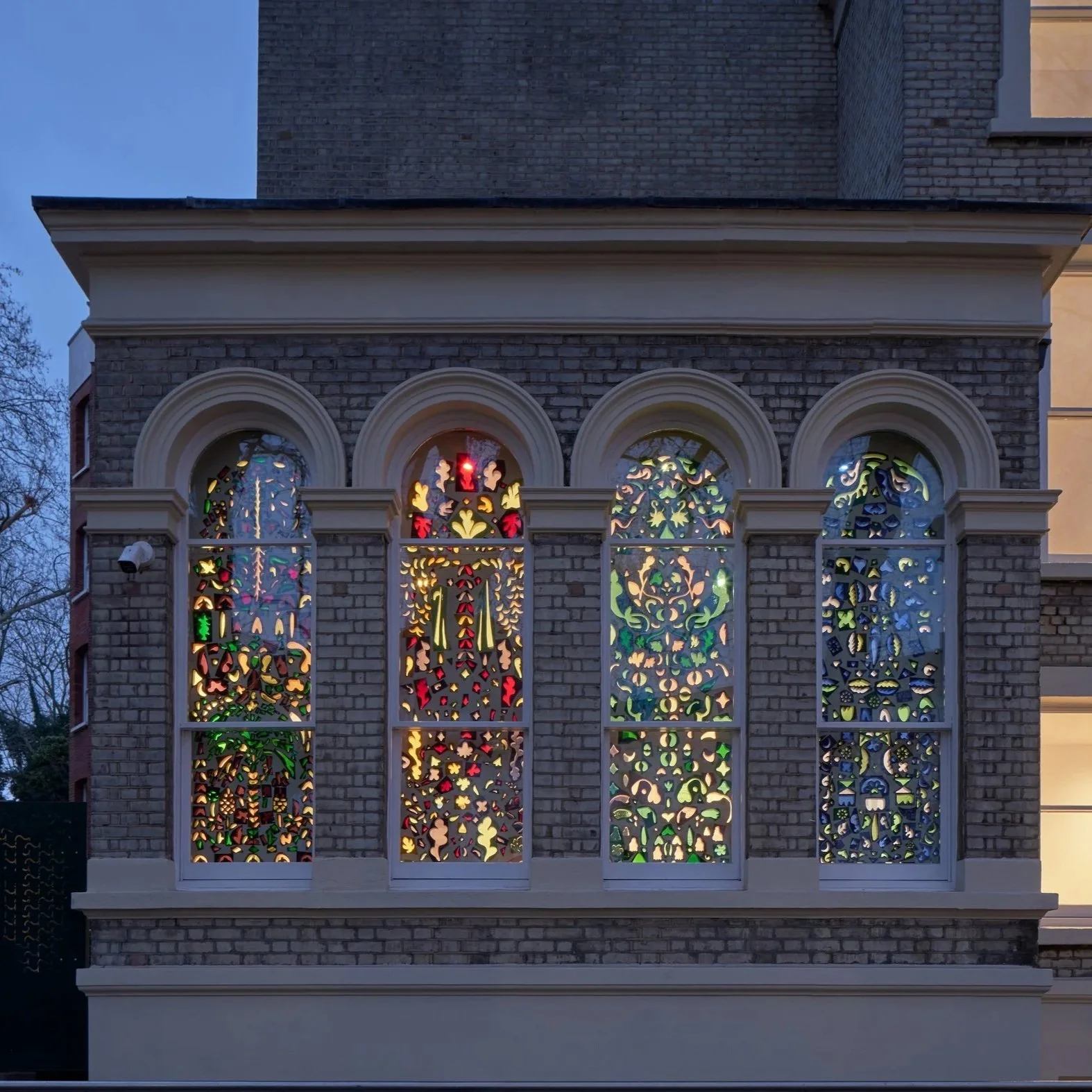


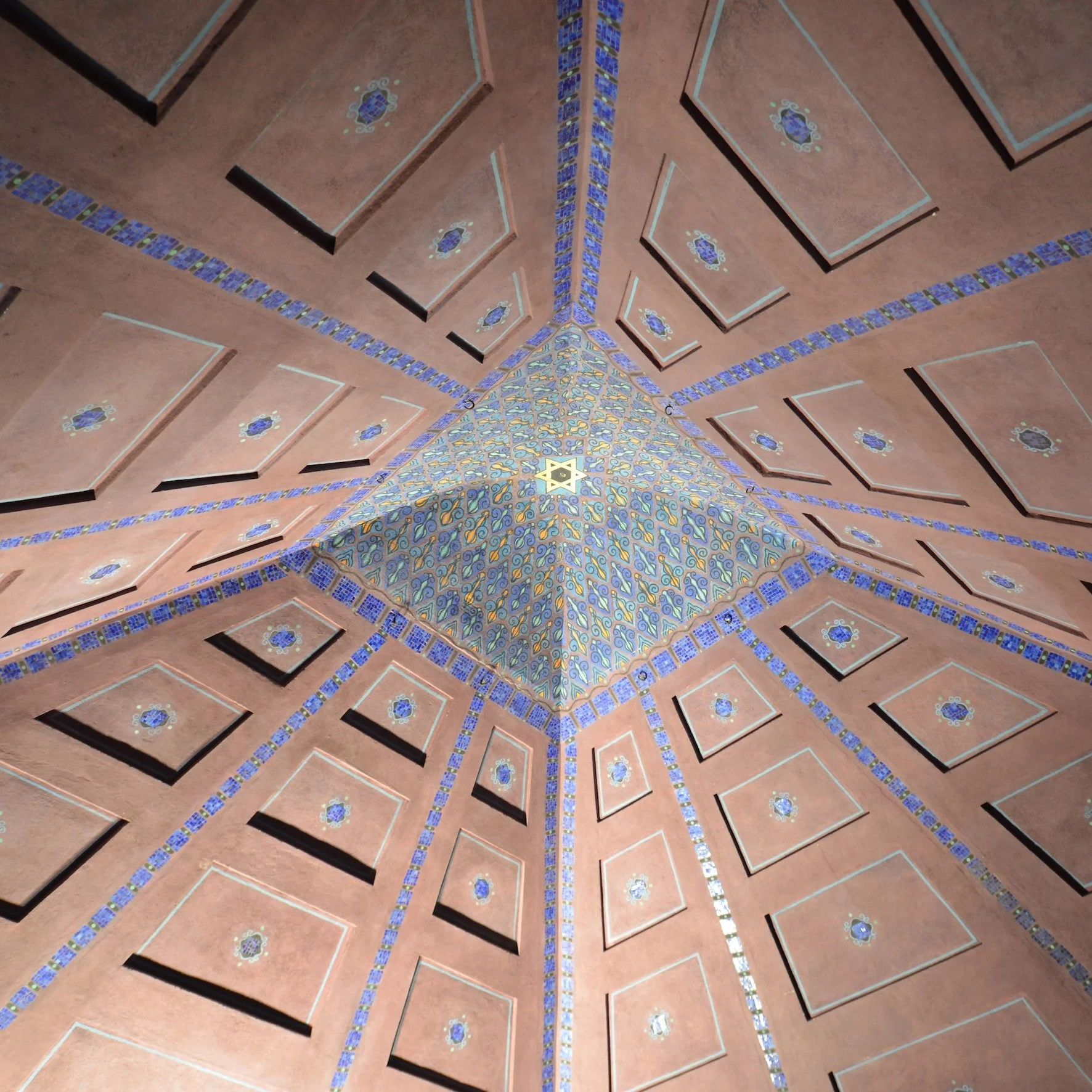

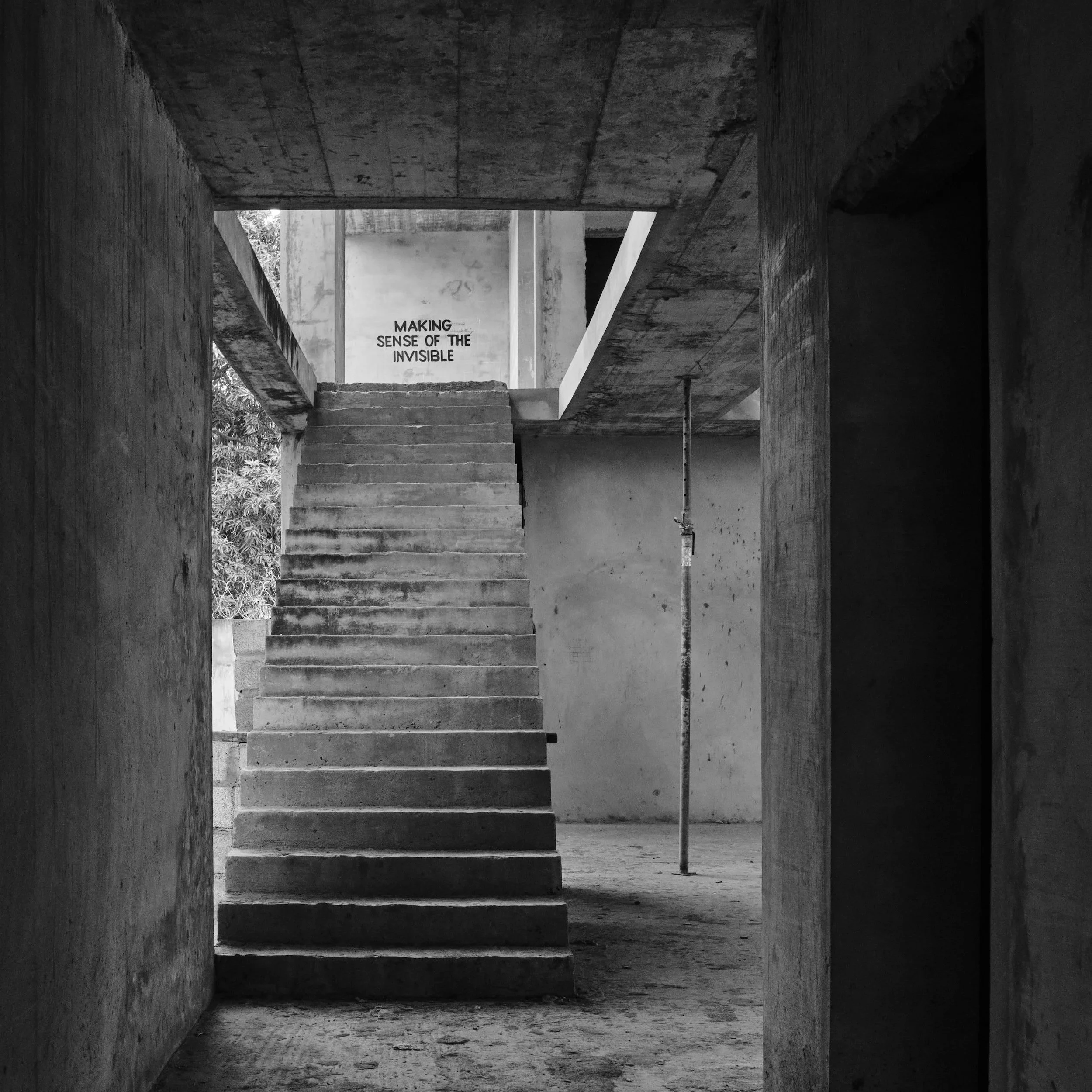
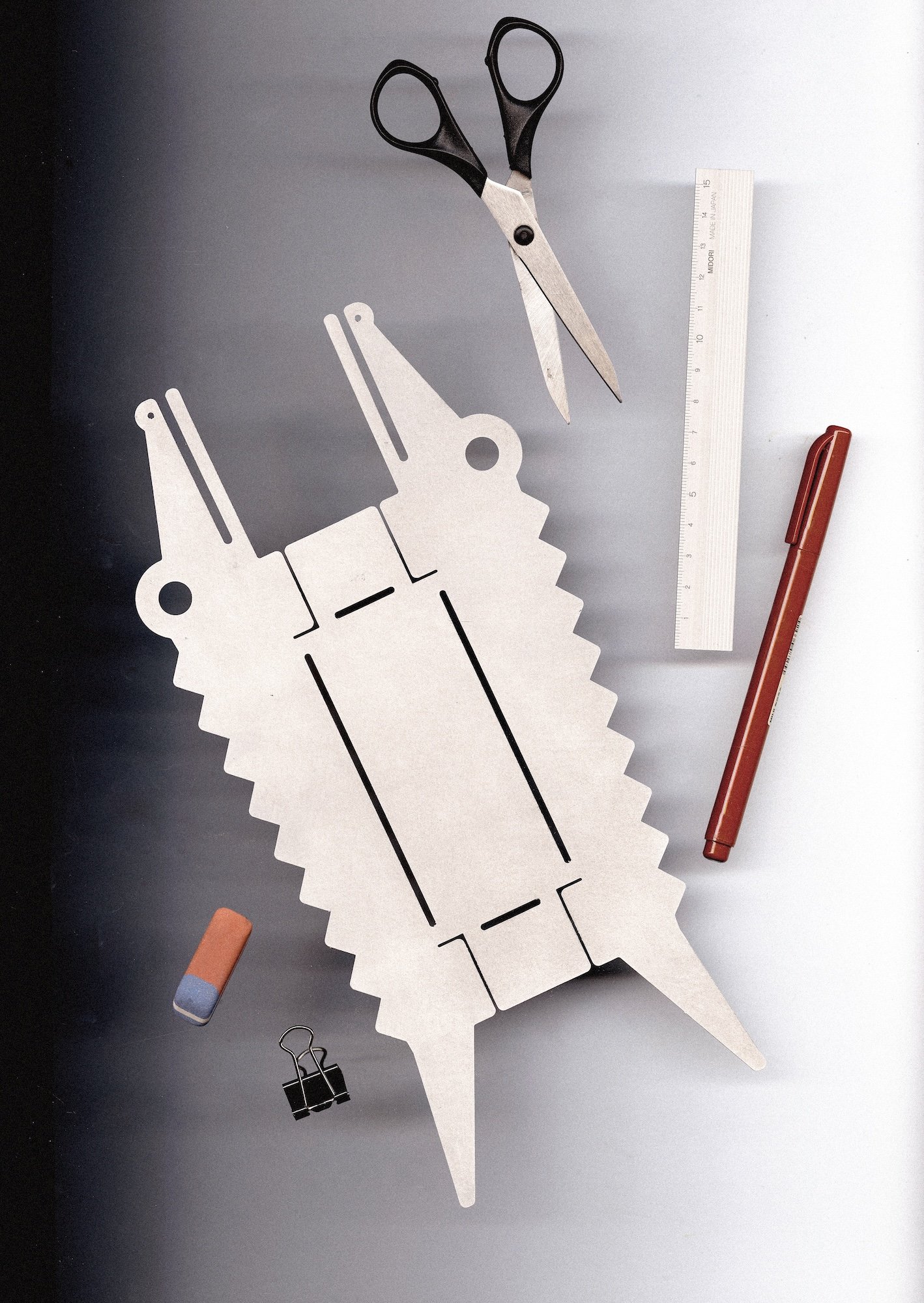
Architect and artist Dima Srouji created windows filled with Palestinian flora for the Mosaic Rooms, a gesture she hopes will offer visitors portals to a free Palestine.
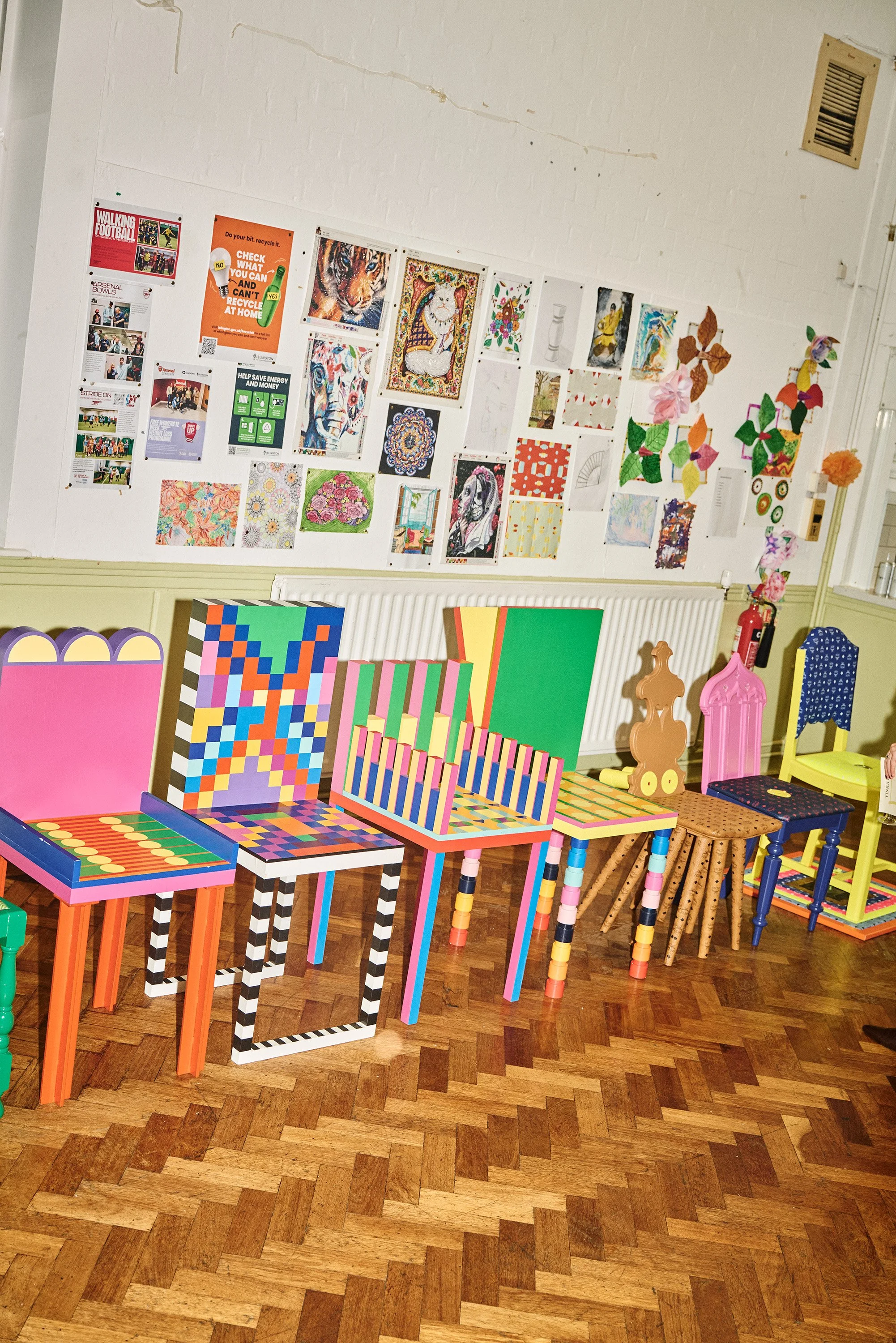
Yinka Ilori stages an exhibition of 20 years of chair designs, centred on the stories and personalities they contain.
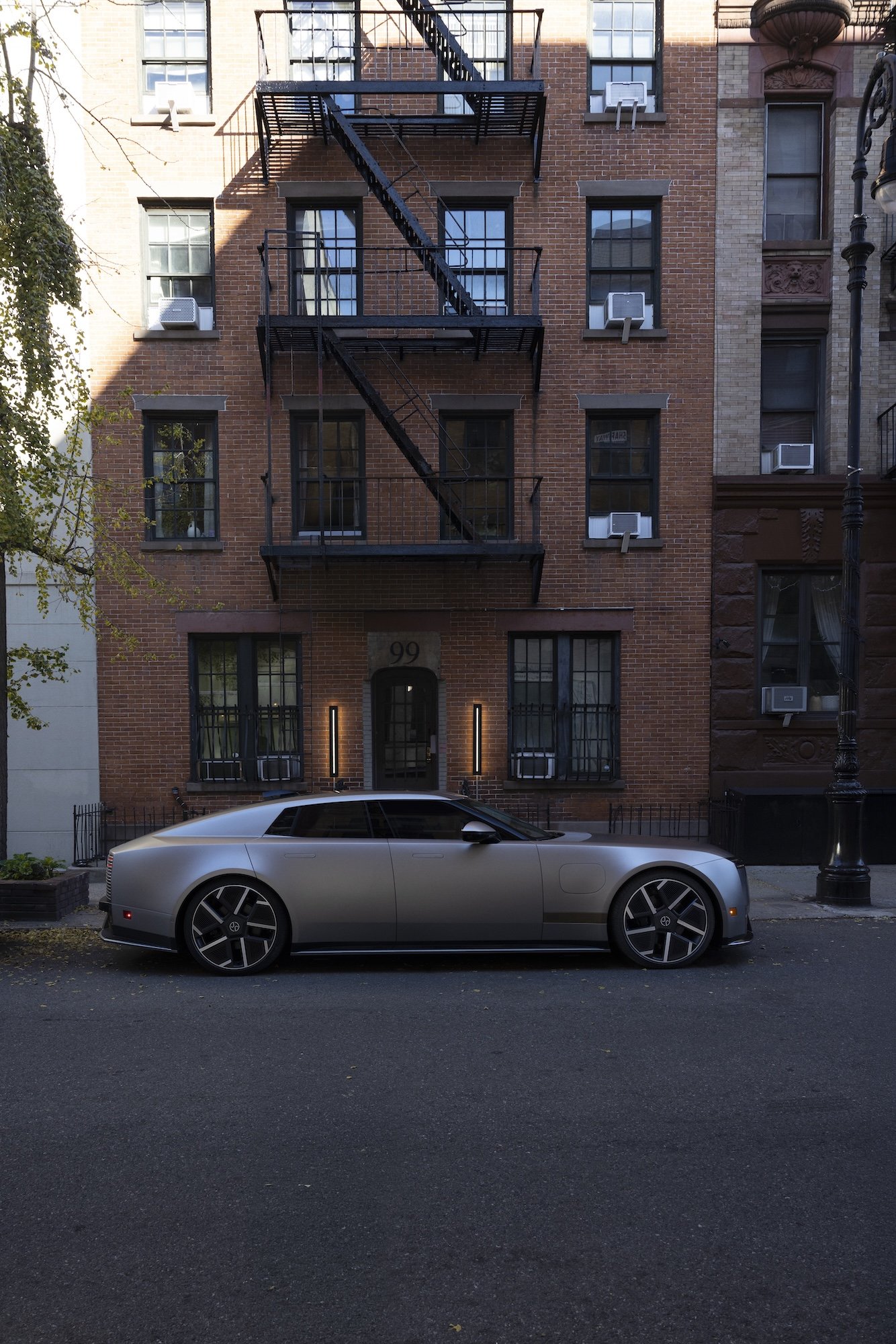
Jaguar launches its new Type 01 in New York, in an event that prompts reflection on car design in the 21st century.
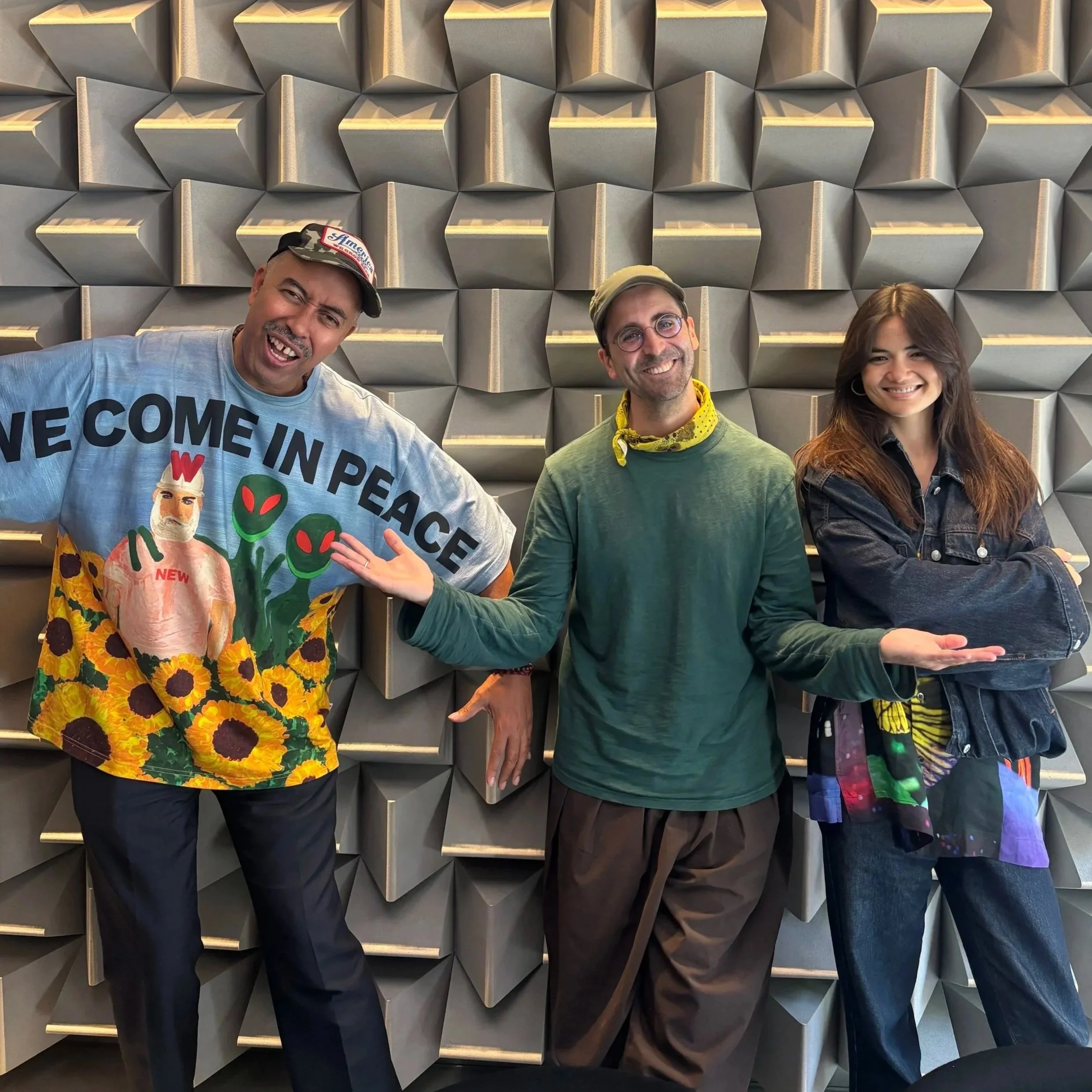
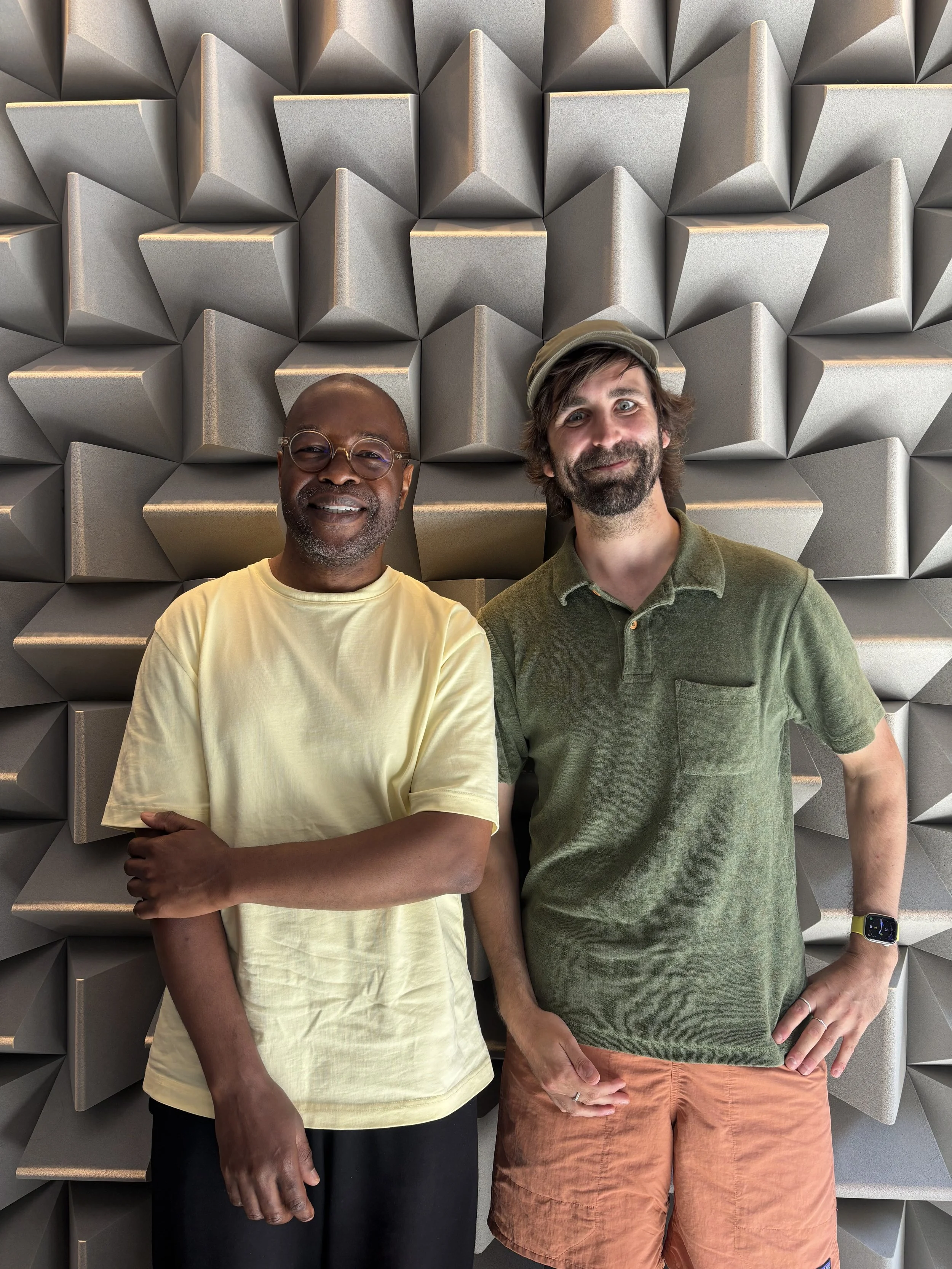
Stephen Burks and Malika Leiper, the partners behind Stephen Burks Man Made, join the show to discuss running a nomadic studio and questioning what radical design means today.
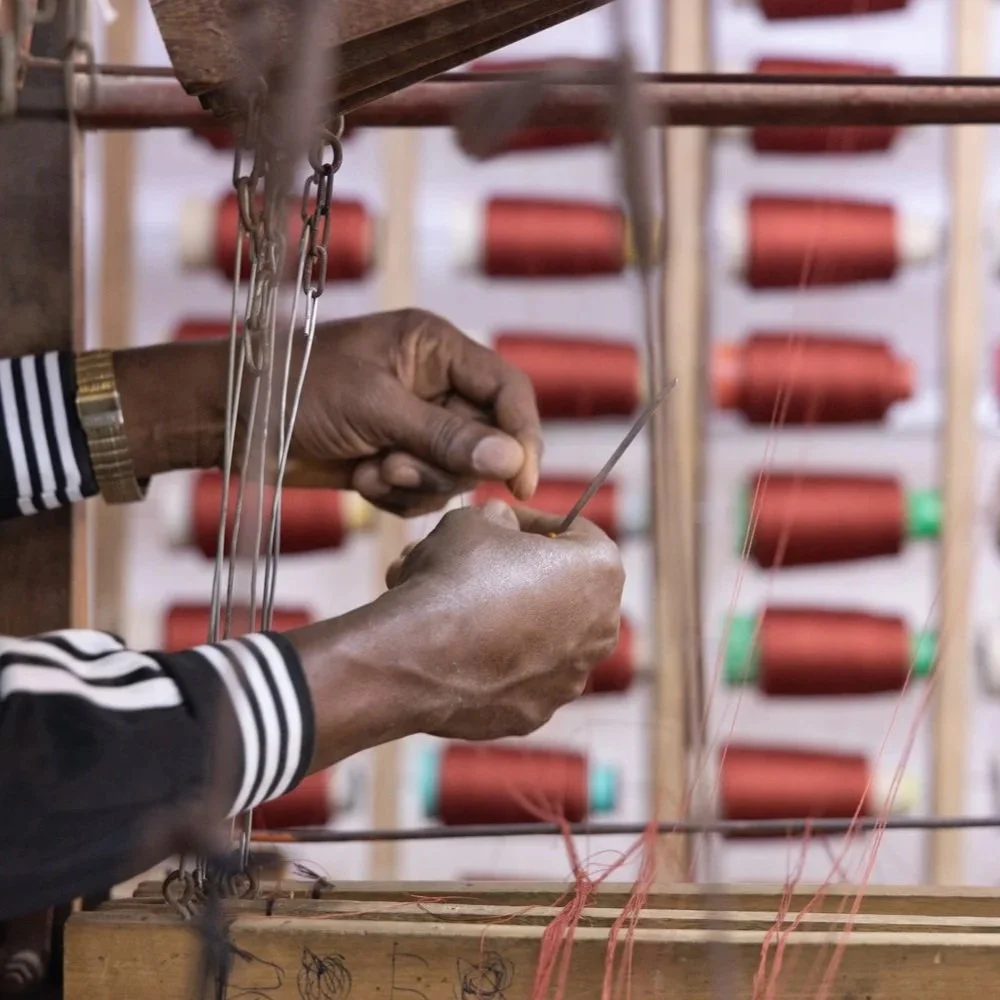
In Disegno #39, Bisila Noha travels to Dakar to see Aissa Dione’s work to preserve Senegal’s weaving traditions and revitalise the country’s textile industry.
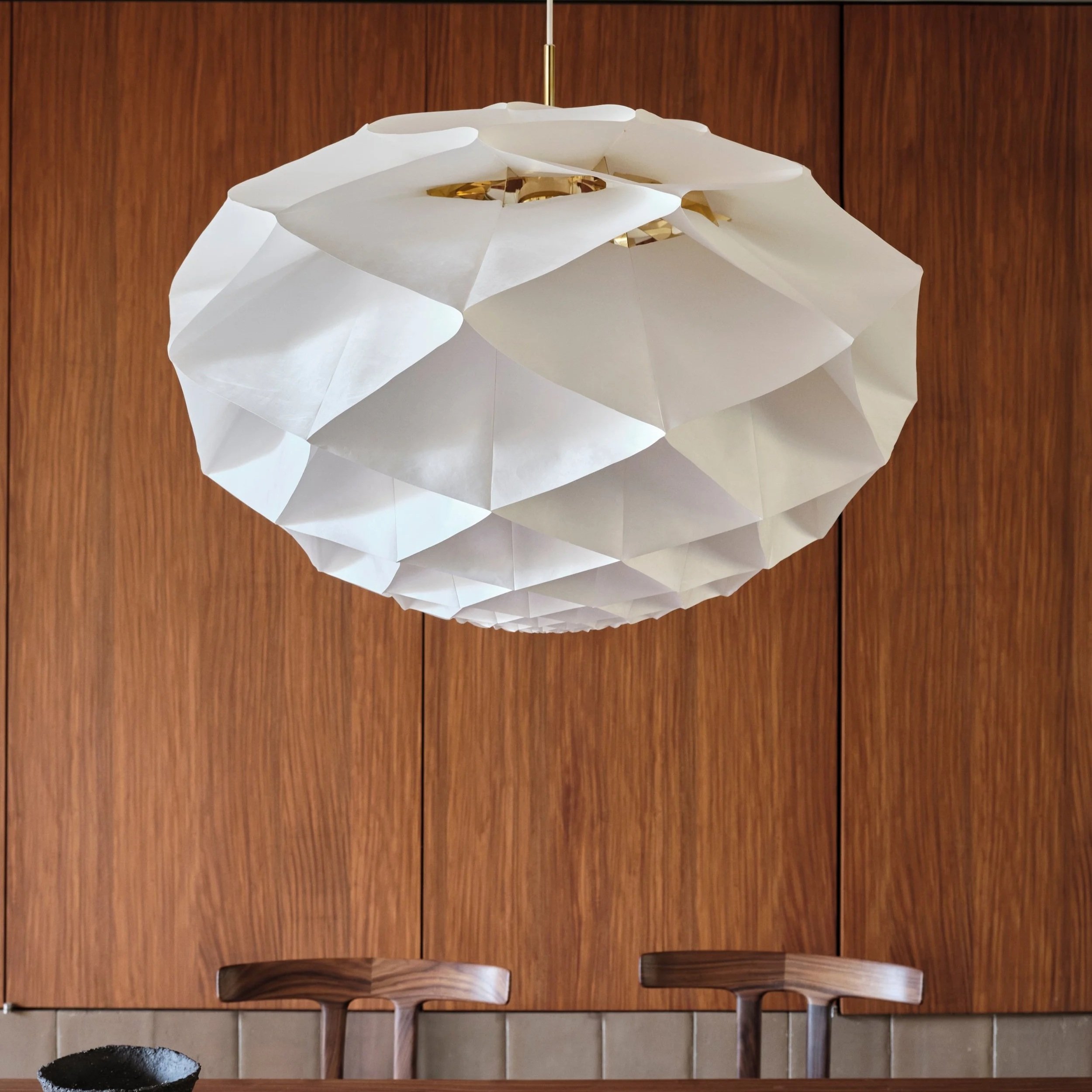
Øivind Slaatto’s new lamp for Carl Hansen & Søn takes inspiration from the mathematical principles that characterise the growth of begonia flowers.
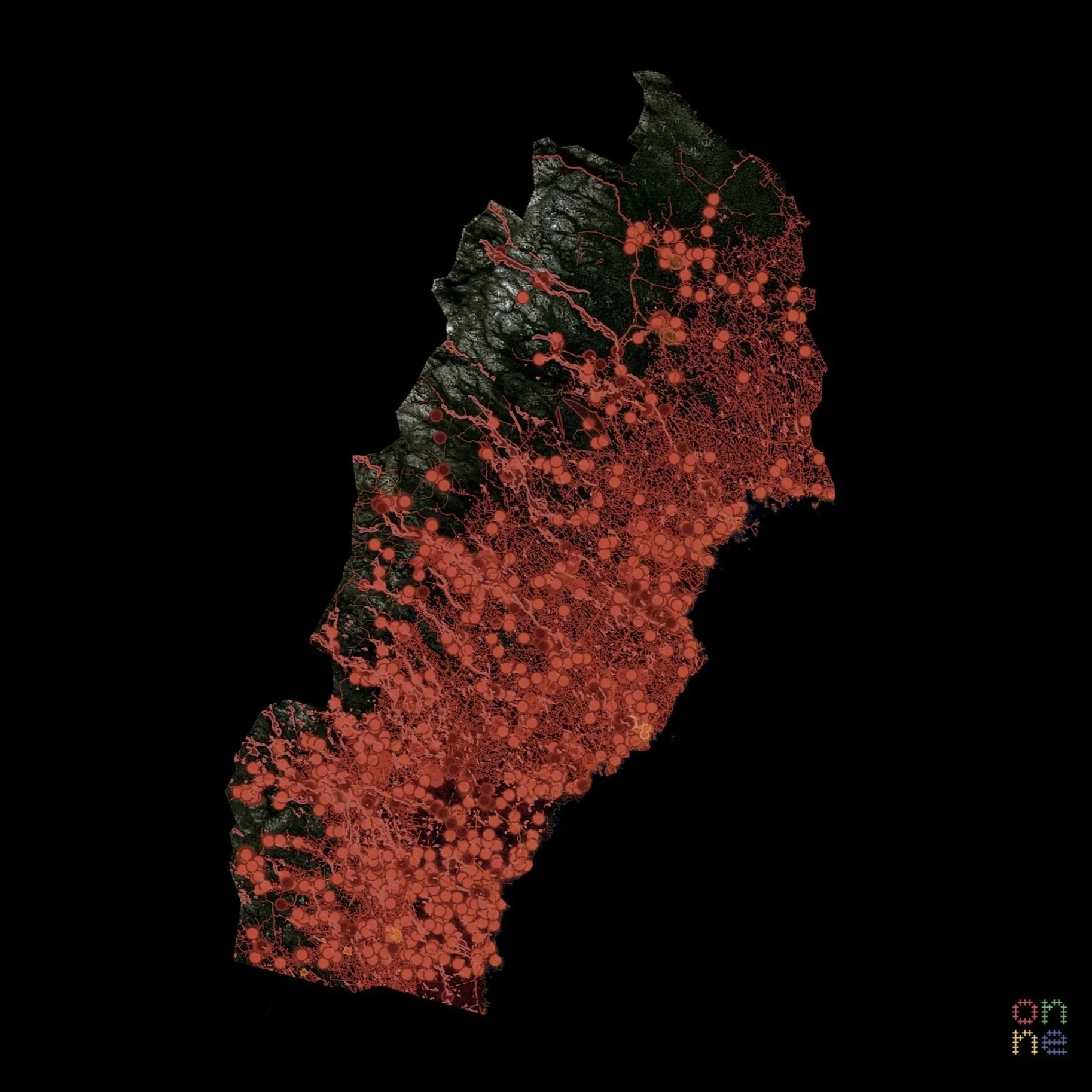
Onne is an interactive map which details the environmental and sociopolitical forces shaping the Swedish portion of Sápmi, an Arctic territory that is home to the Sámi people.
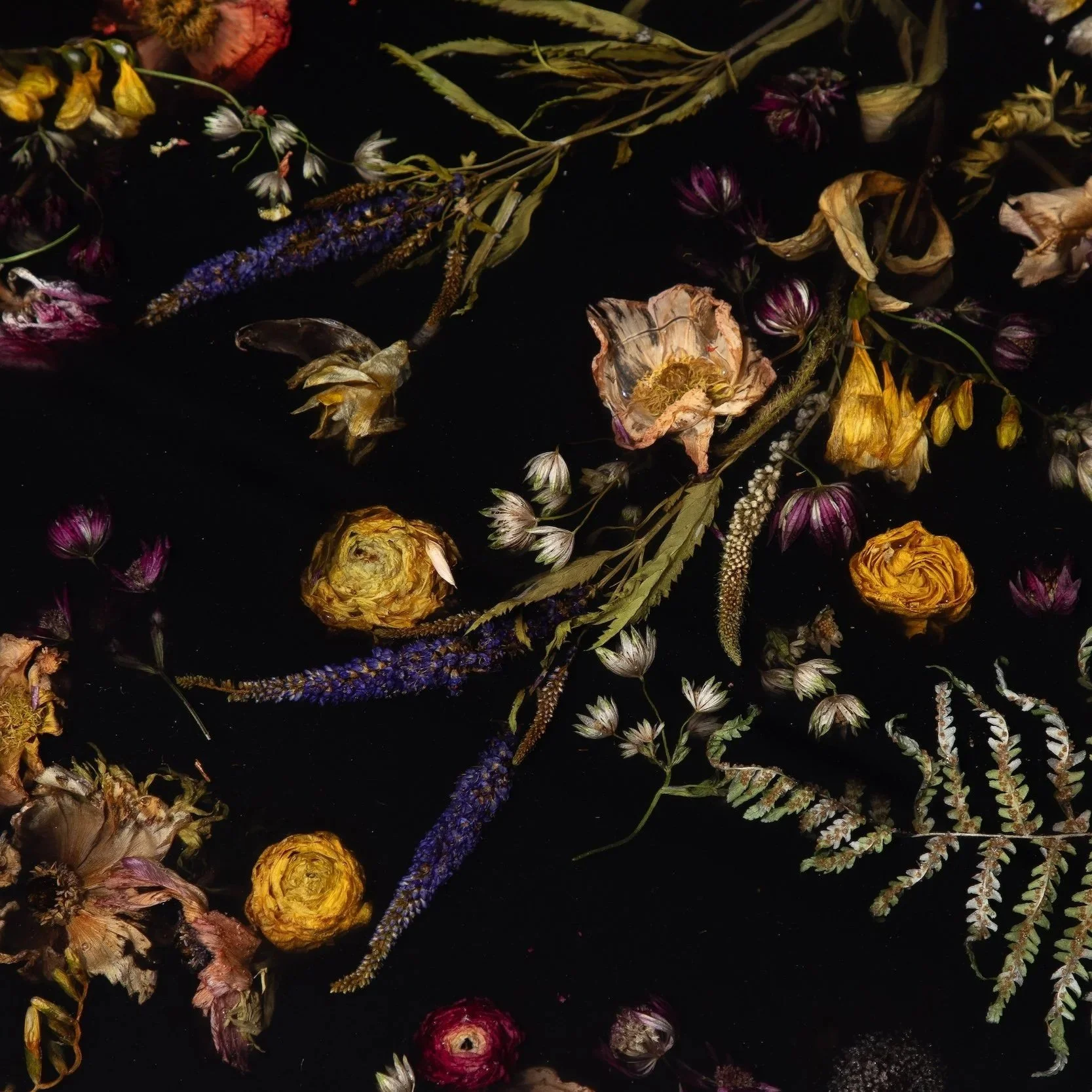
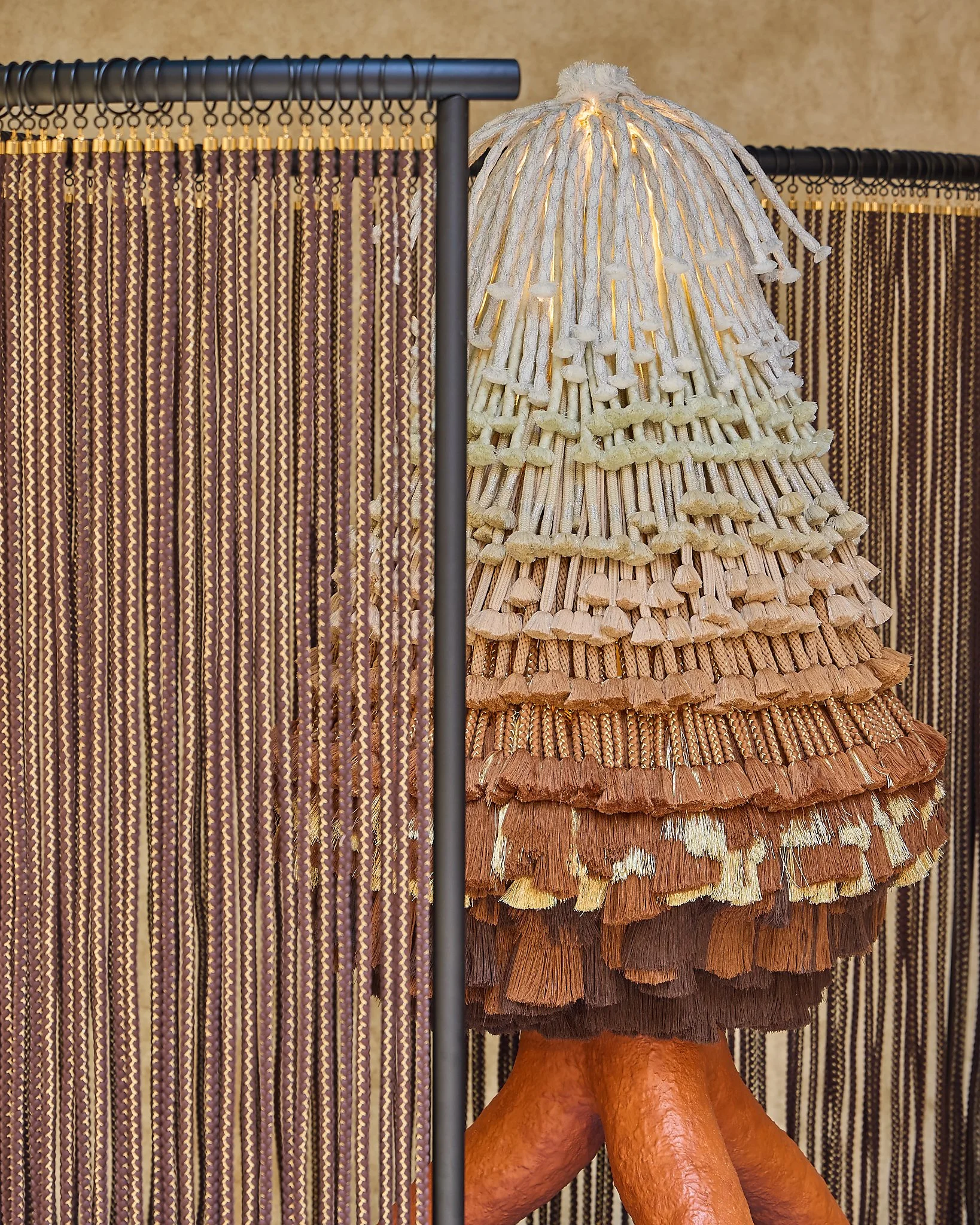
Marcin Rusak’s studio on the outskirts of Warsaw explores the preservation and decay of plants using natural and synthetic resin, bioplastics, metalising and more.
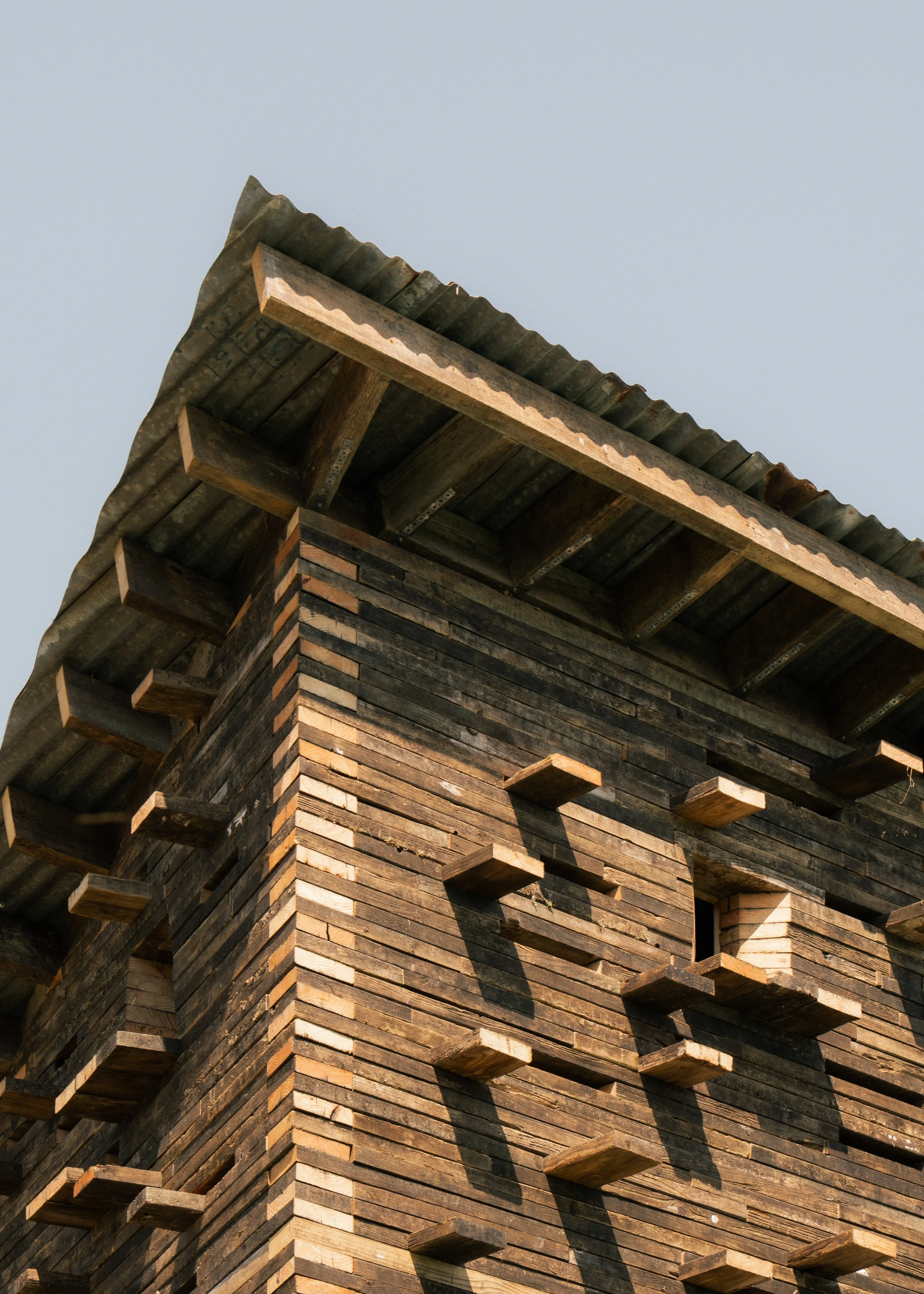
Pearce+’s wildlife infrastructure tower proposes a model of hyper-local design and construction.
Alexandra Gerber visits the studio for a discussion about gendered objects, spontaneous design solutions and the allure of biomaterials.
Disegno’s London Design Festival 2026 round up includes spinning maquettes, lilac orbs, a storytelling forest, a fictional flat, a surreal parlour, and much more.
The second edition of the Craft x Tech initiative explores Japan’s Tokai region, and places its culture of craft into fresh relationships with contemporary designers.
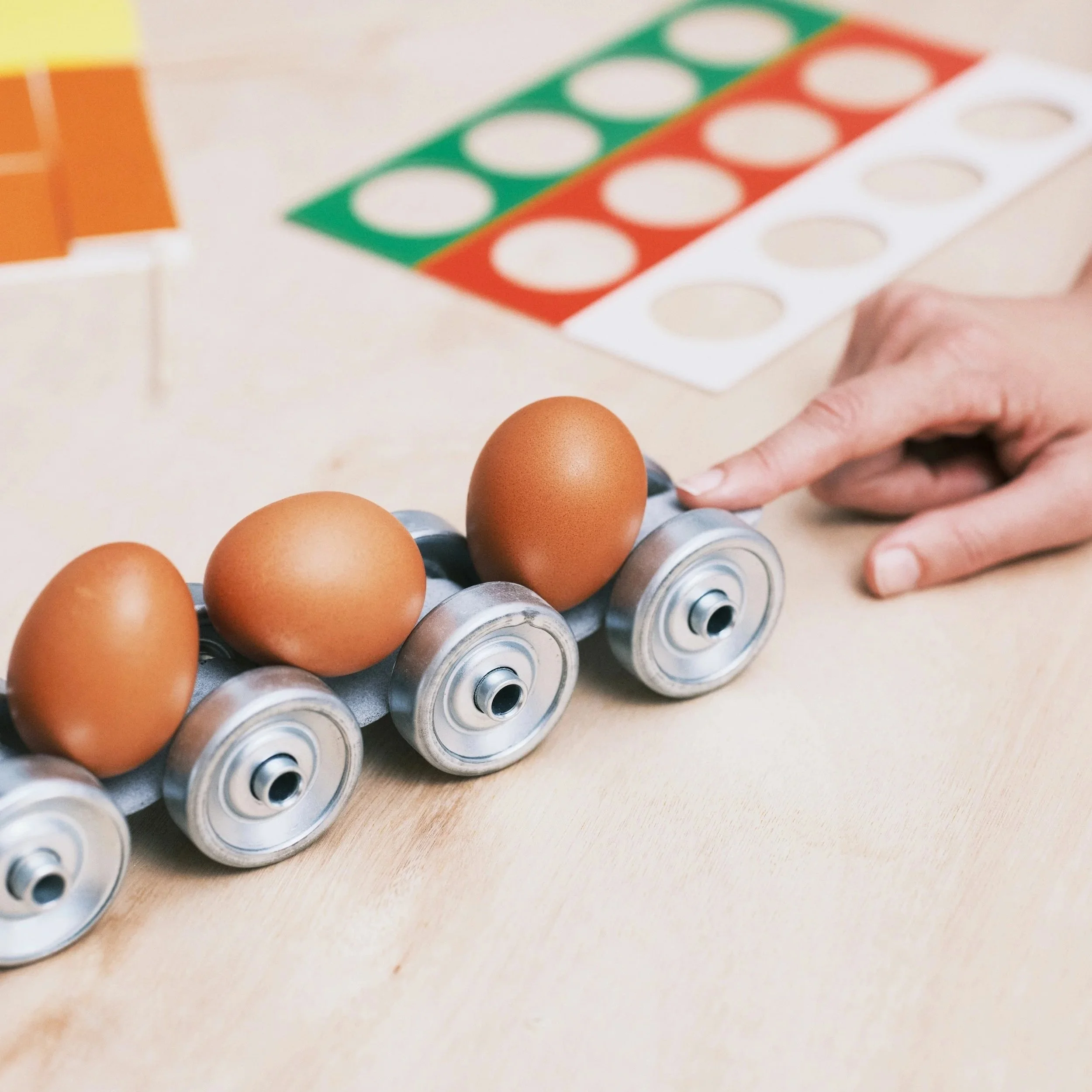
A roundtable with the team behind Design Everything for their new exhibition at Aram: a fictional flat filled with objects created through the limitations on new designers’ work.
Adam Nathaniel Furman, an artist and designer, joins the show to discuss the history of colour in architecture and the challenges of viral design.
Es Devlin’s art direction for the fourth edition of the Homo Faber biennale explores the potential for stagecraft and physical proximity to shape appreciation of craft.
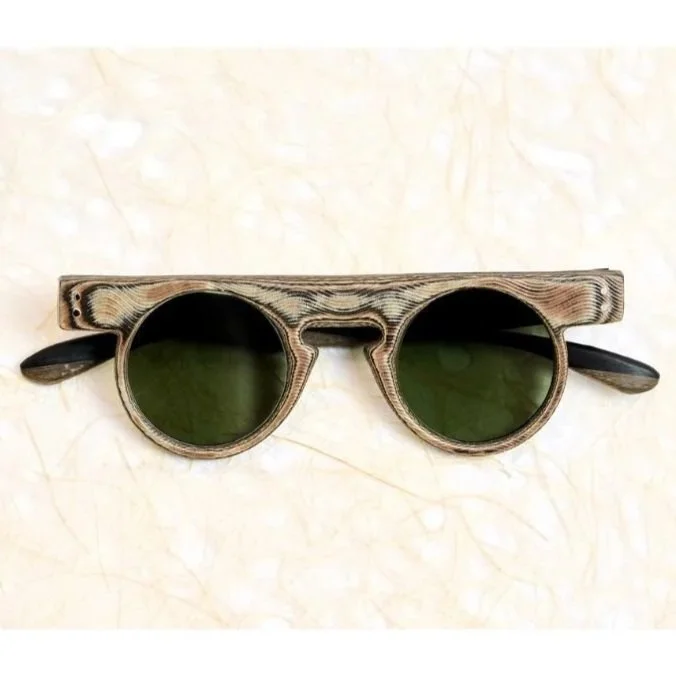
Tanaka Eyewear’s new glasses are made from compressed paper composite, and embrace impermanence by allowing the material to develop a patina and using gold to repair dents or chips.
In Disegno #38, Darran Anderson travels to architect Erich Mendelsohn’s first building in Poland and reflects on desecrated gravesites around the world.
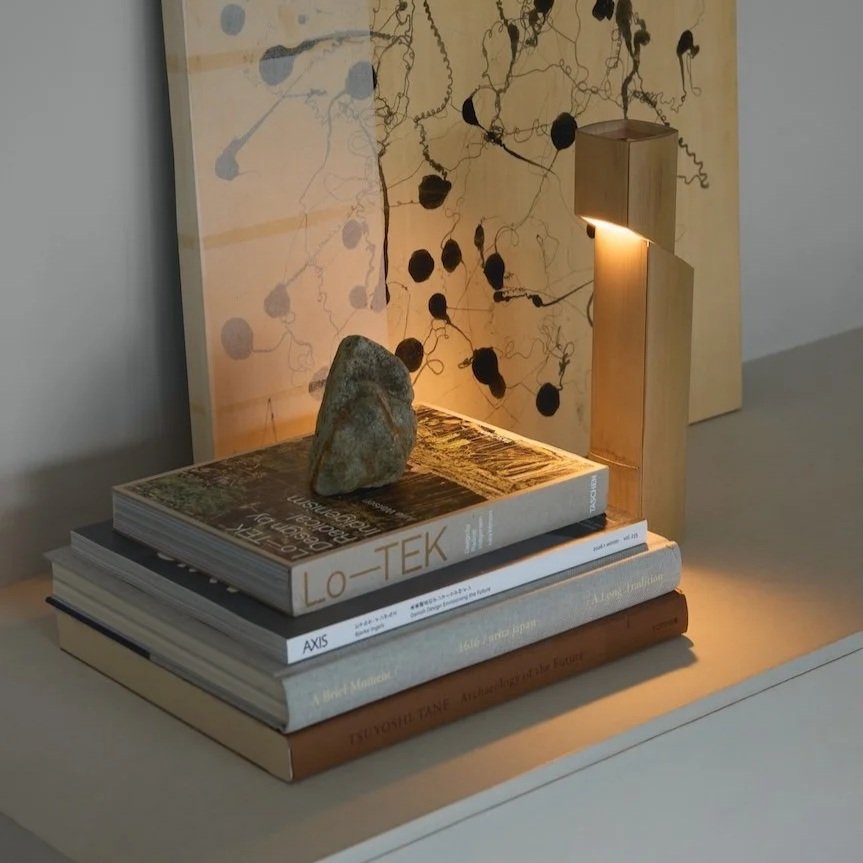
Nosou’s new lamp 0º was designed and produced in rural Japan to support craftsmanship and manufacturing outside of the country’s urban centres.
In Disegno #39, Disegno’s editor-in-chief Oli Stratford tours Mudac’s preppers exhibition and contemplates the movement’s critique of consumerism.
Textile designer Leo Germanangue has created Designrs, a new app which connects a city’s creators, that combines his maximalist aesthetic with his desire to minimise screen time.
Jon Ardern, cofounder of design and experiential futures company Superflux, joins the Crit to discuss the emphasis on materiality, emotion, and sensory feedback in the studio’s work.
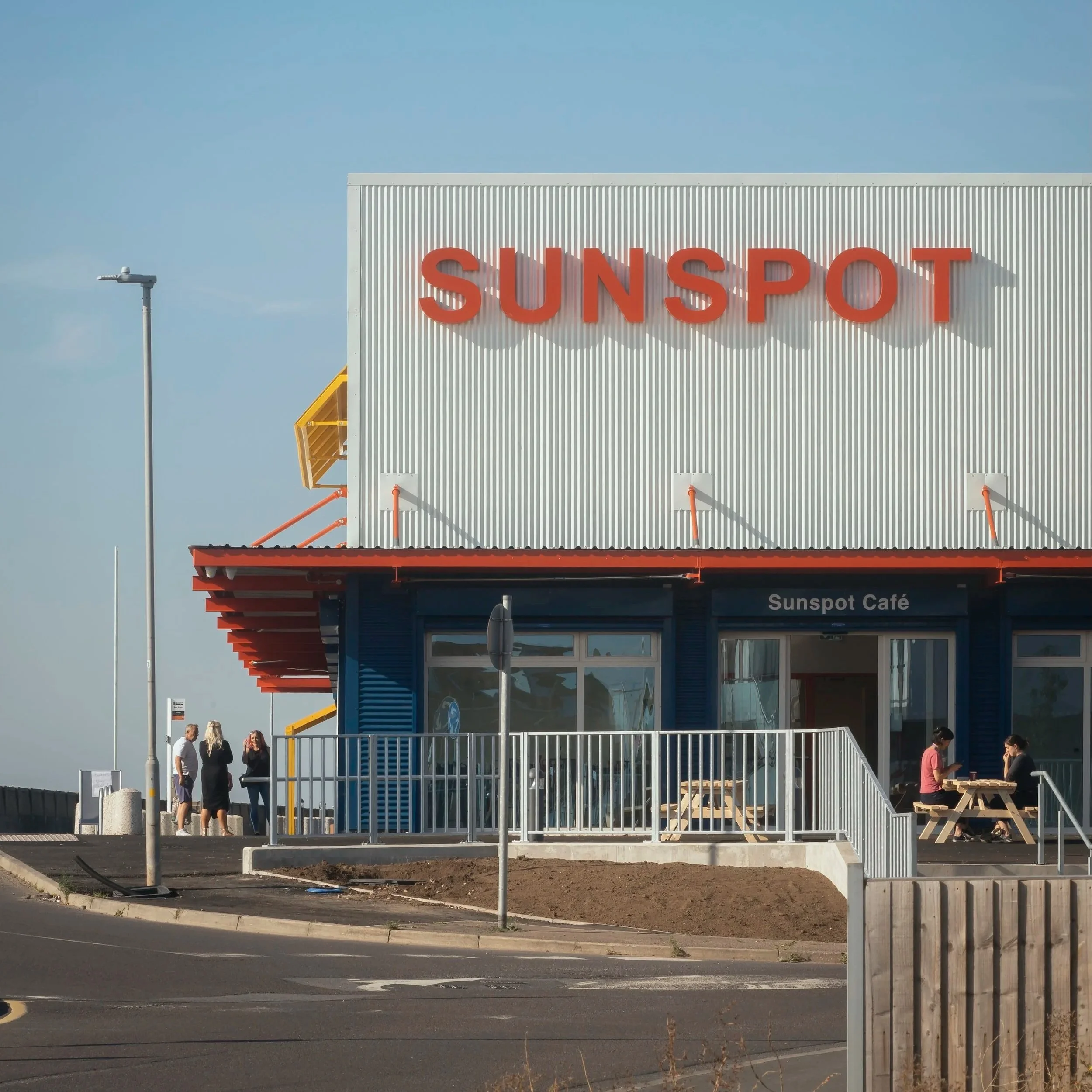
In Disegno #38, Ellen Peirson visits Hat Projects’s Sunspot business centre in Jaywick Sands, exploring how the town's history intersects with systemic deprivation, seaside nostalgia, and right-wing populism.
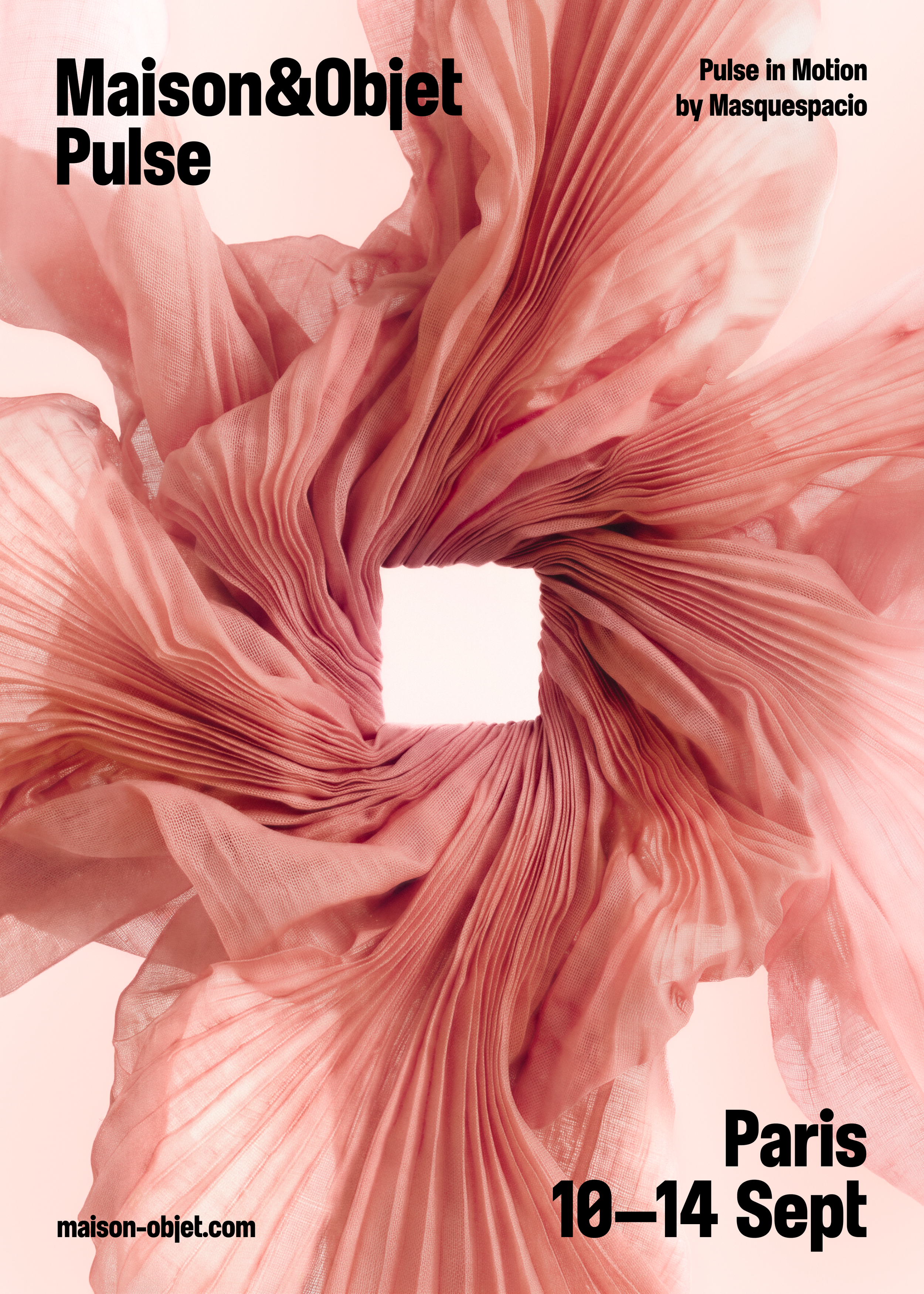
Masquespacio, ambassadors for the September 2026 edition of Maison&Objet, share their belief around why design needs more authenticity.
Pentagram’s Hugh Miller joins the show to discuss the tempo of graphic design, as well as the importance of self-criticism for any creative practice.
Guy Keulemans and Trent Jansen explore the design potential of wear and tear, in an exhibition that seeks to repair the objects we surround ourselves with.
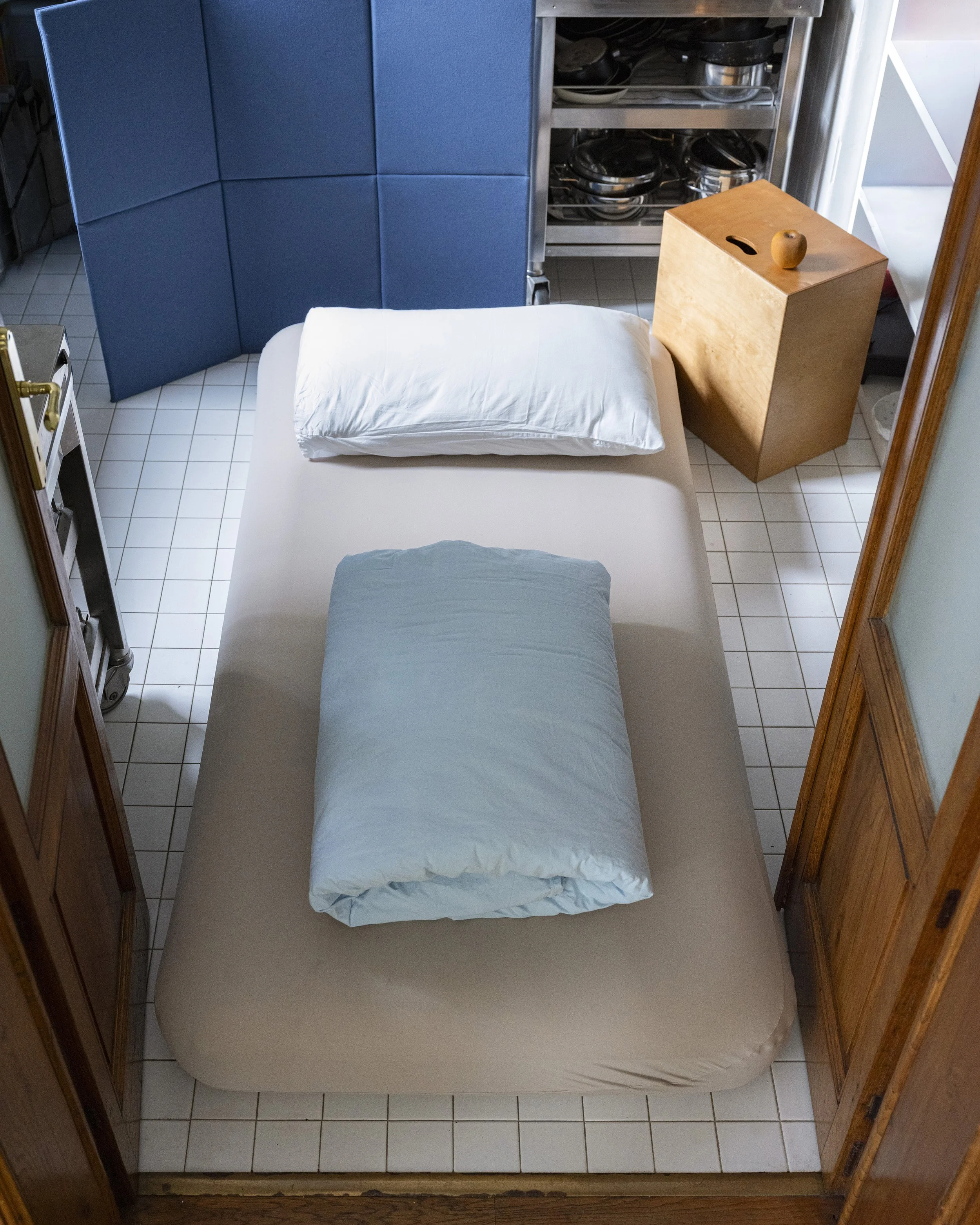
Thélonious Goupil’s Bienvenue spare bedroom expands hospitably out of a small, wooden box.
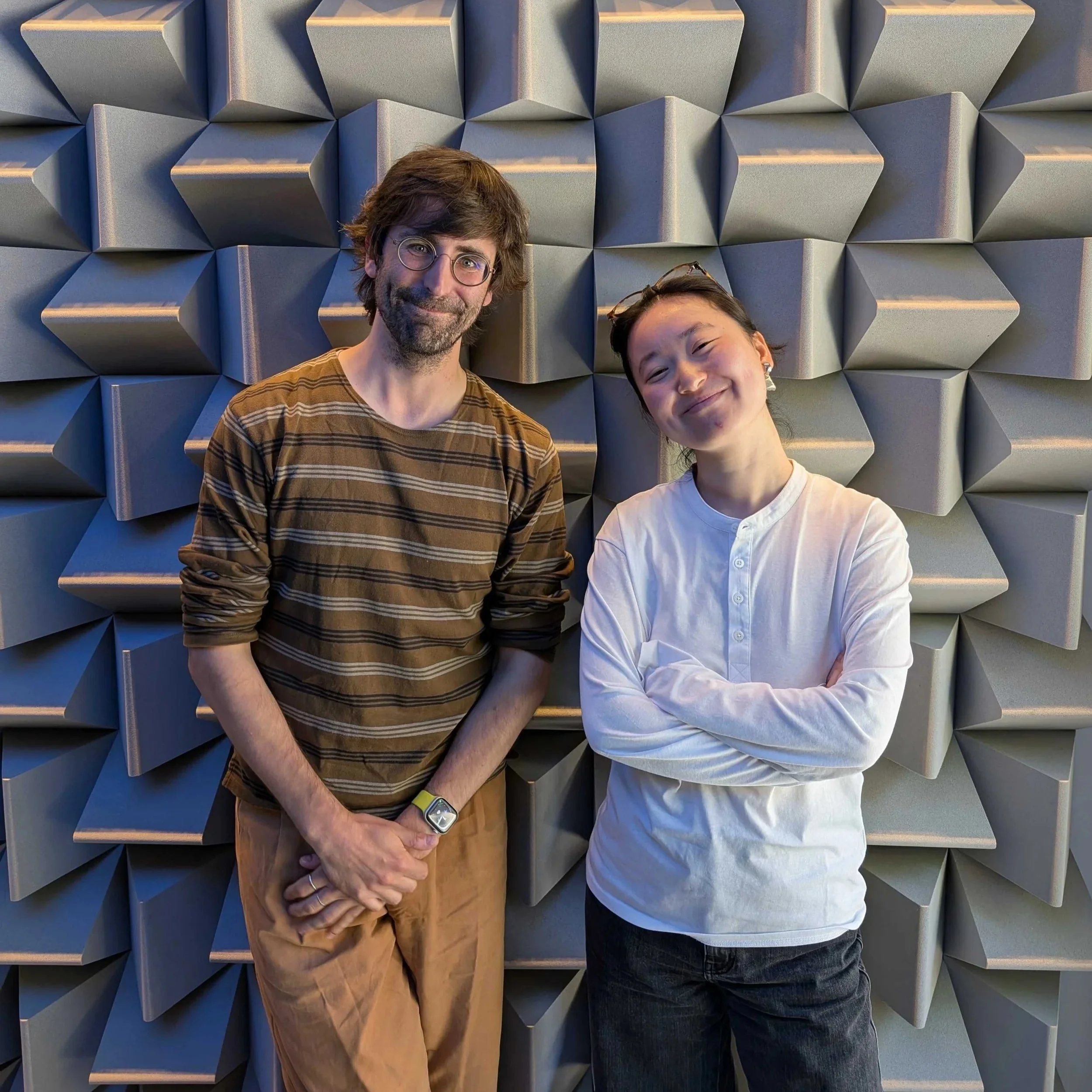
Food designer Leyu Li joins The Crit to discuss using design to challenge cultural hierarchies surrounding food, incorporating social media into her practice, and the pleasures of commercial work.
In Disegno #39, Ama Benewaa Tawia dreams up alternative uses for abandoned spaces with Ghana’s Limbo Museum.
Communally designed, the Office Series objects by students from ECAL examines alternative, ego-less ways of working.

Deborah Cooke, head of costume at award-winning animation studio Laika, joins the show to discuss the challenges of designing for non-human anatomies and the importance of creating dark and eerie stories for children.