
The Energy of Emotion
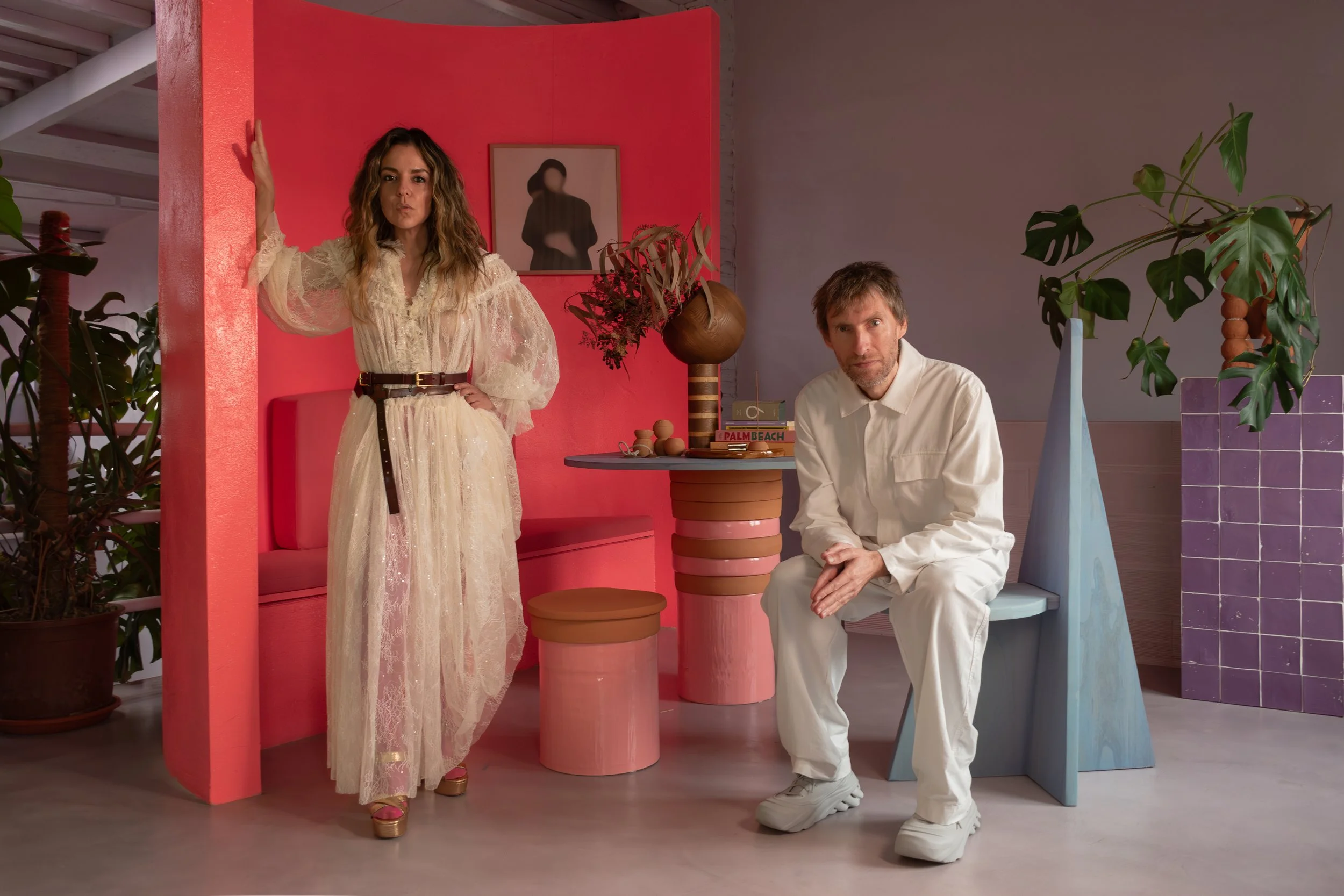
Ana Milena Hernández Palacios and Christophe Penasse of Masquespacio, ambassadors for the September 2026 edition of Maison&Objet (image: courtesy of Maison&Objet)
“It means energy,” begins Christophe Penasse, co-founder of the Valencia-based design studio Masquespacio, speaking as part of a new Disegno Podcast, “because what represents [everybody] being together is energy. We want people to go inside that space and feel connected to one another.”
Energy and human connection represent the current design focus of Penasse and his partner Ana Milena Hernández Palacios, who earlier this year were appointed as the official ambassadors for the September 2026 edition of Paris’s Maison&Objet trade fair. With this upcoming edition of the fair set to be themed “Pulse in Motion”, with a particular focus on the capacity of design to present alternative futures and generate meaningful connections between people, Masquespacio has chosen to interpret its role in the programming as being a catalyst for meaningful, in-person connection. “We especially want to speak about energy,” Penasse explains, “because energy is emotion, and energy is coming together and getting away from our screens.”
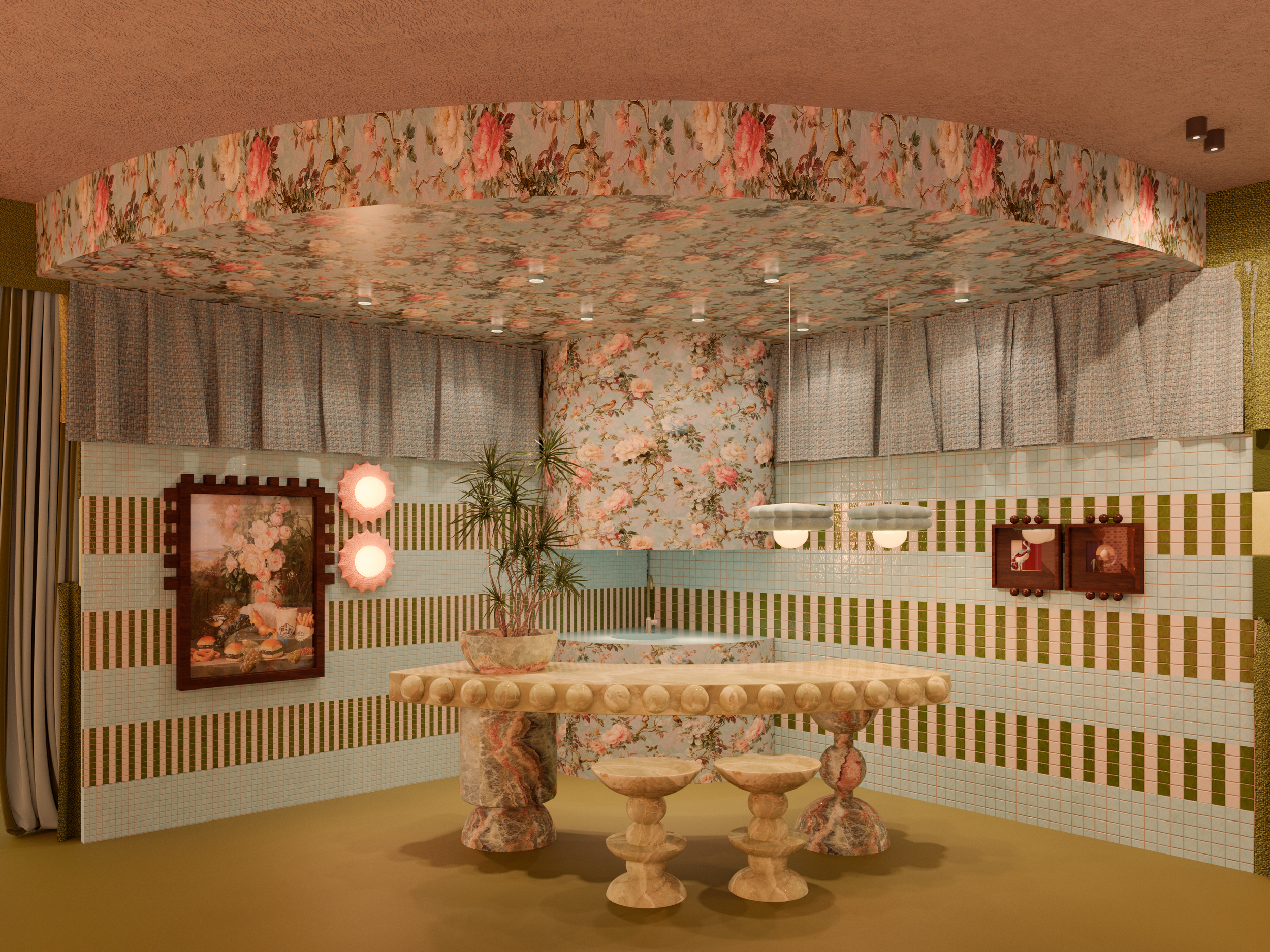
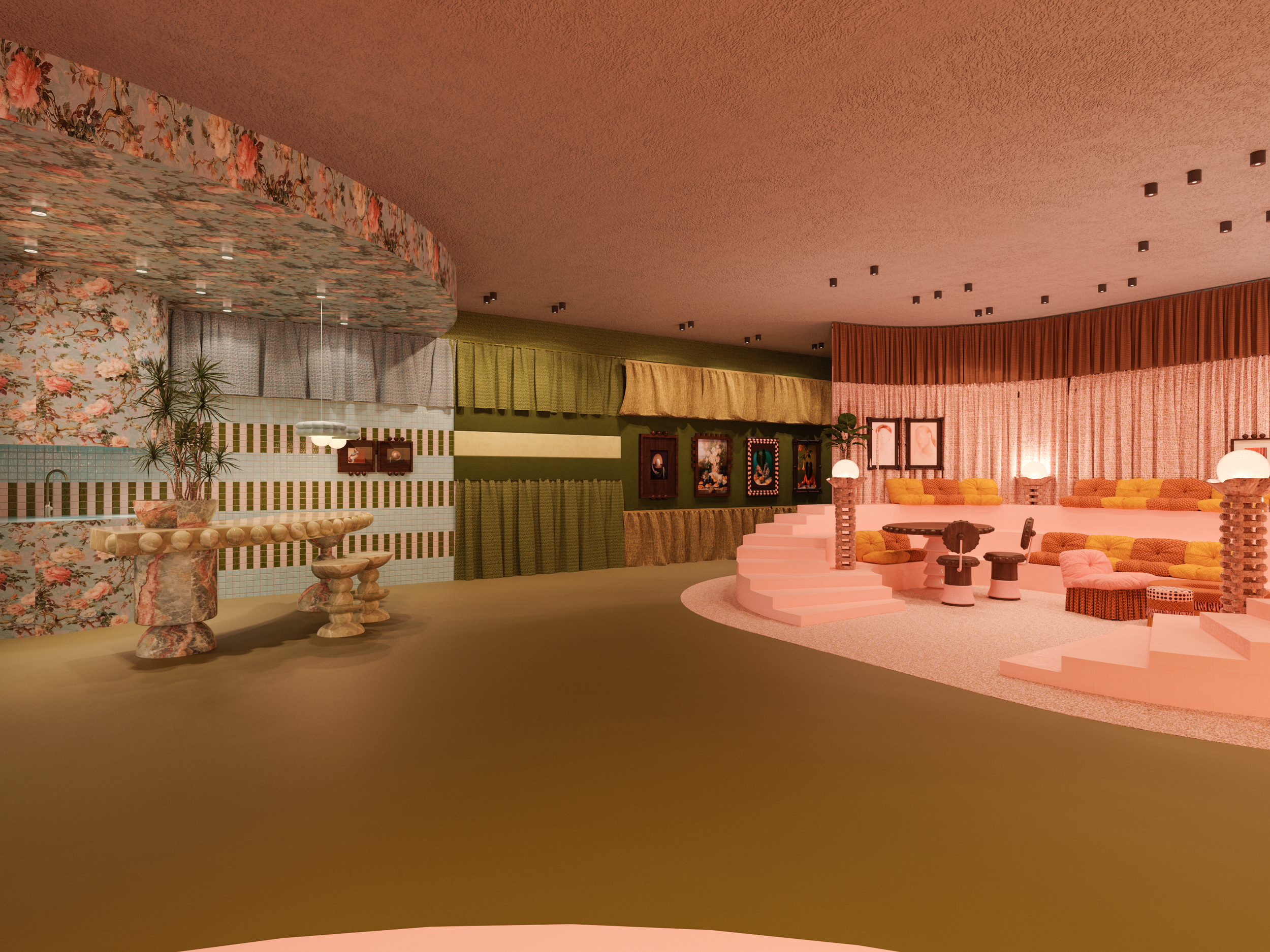
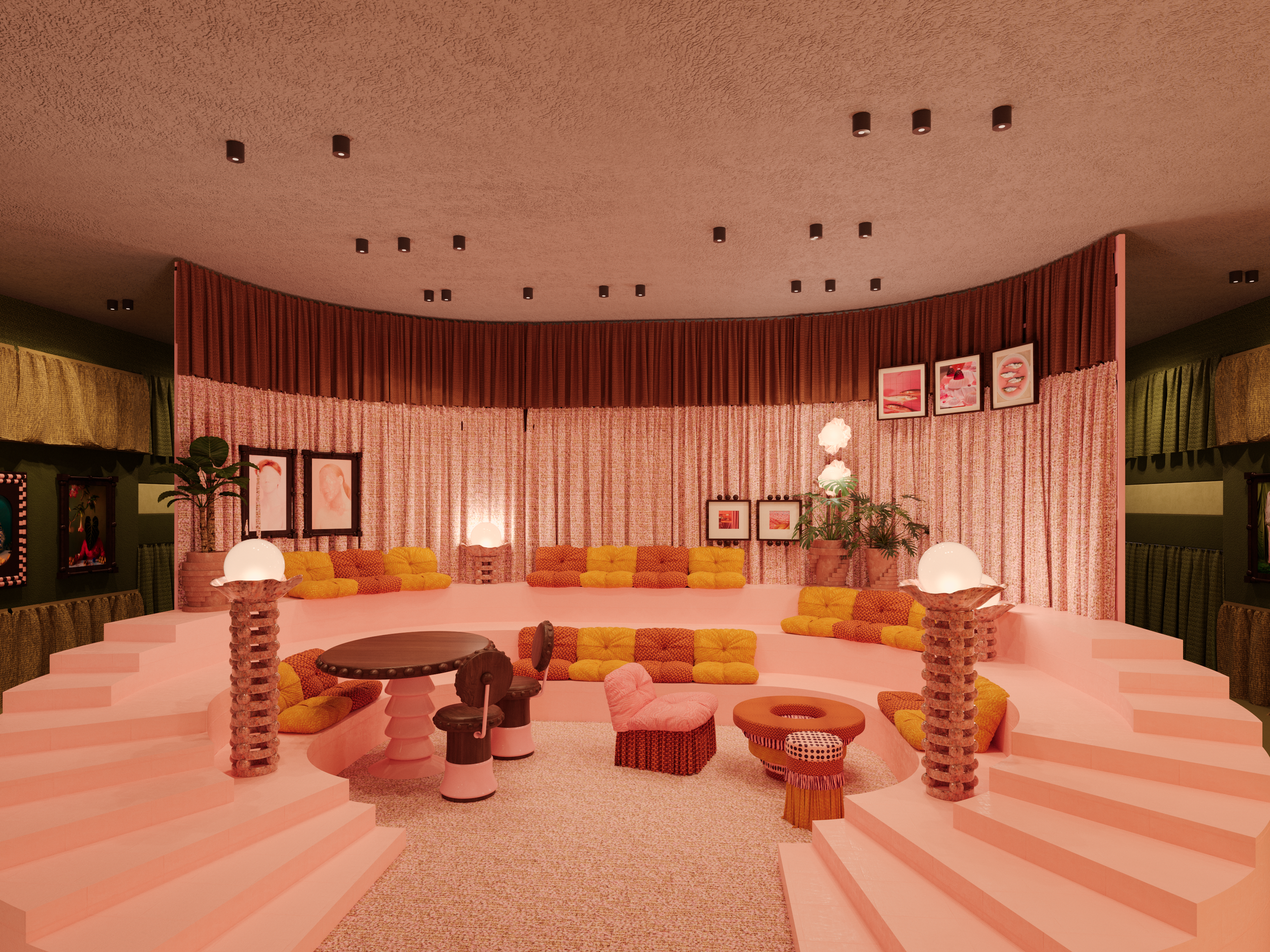
Founded in 2010, Masquespacio has become widely known for its interior design work that blends elements of fantasy and scenography, combining these expressive qualities with a careful attention towards materiality and craft traditions. Working across retail, hospitality and residential projects, the studio has often explored the potential for sculptural form, references to design history, and bold, expressive colour palettes to create spaces that generate an emotional response in those who enter them. Its Amiko Gelato ice cream parlour in Barcelona, for instance, blends Miami Art Deco forms with pastel colours and grid-like ceramic tiling, capturing the whimsy and escapism of eating ice cream on holiday, while its La Sastrería bar in Valencia extrapolates from the city’s tradition of tiled facades to create constellations of artfully competing ceramic geometries that cover every inch of the building’s interior. “We think that the design world needs authentic things,” Pernasse explains, advocating for approaches towards design that are grounded in human experience and joy, as opposed to catering to digital algorithms and AI generated design schemes. “The future for us, as creators in any field,” he says, "is more authenticity.”
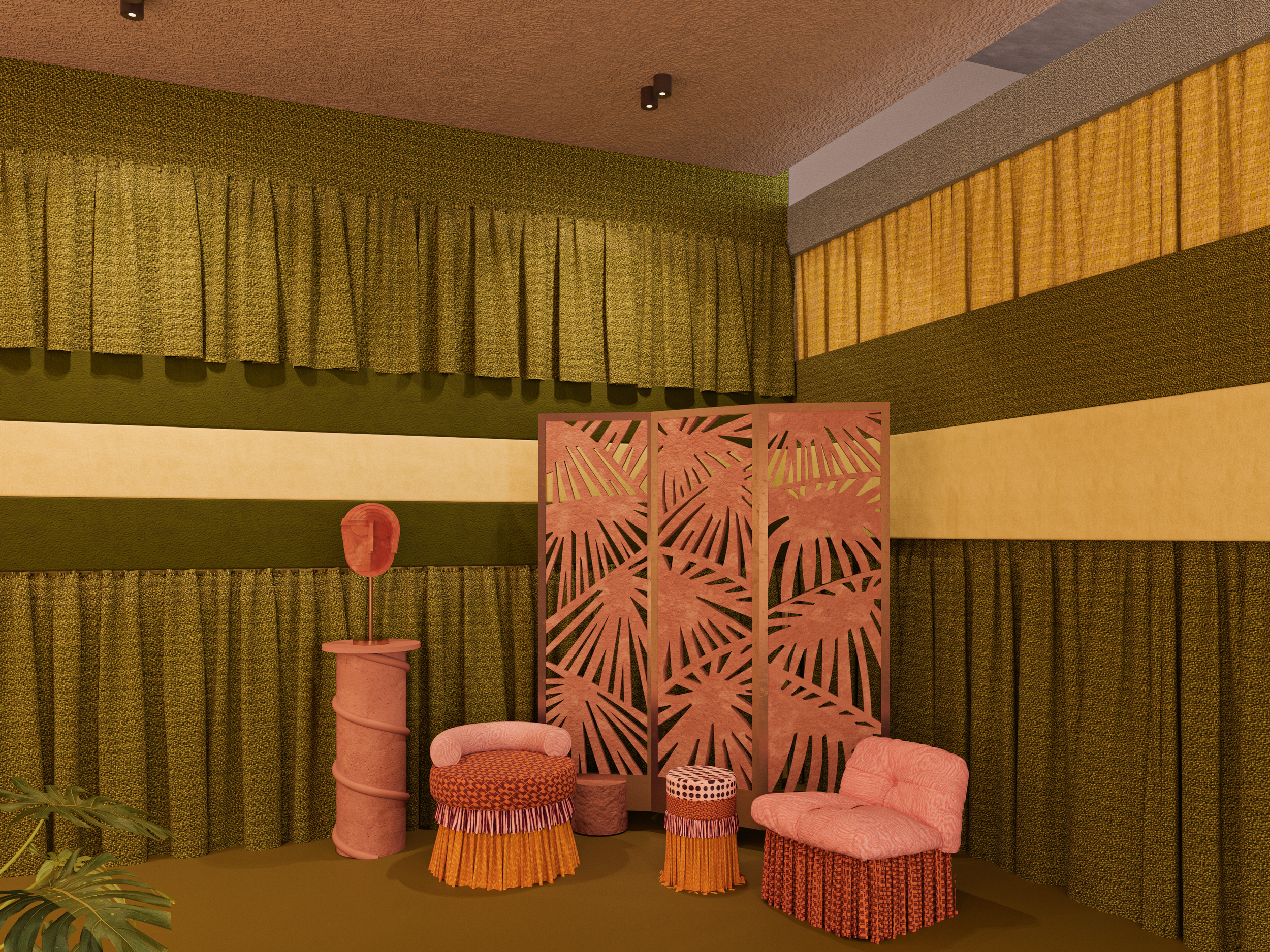
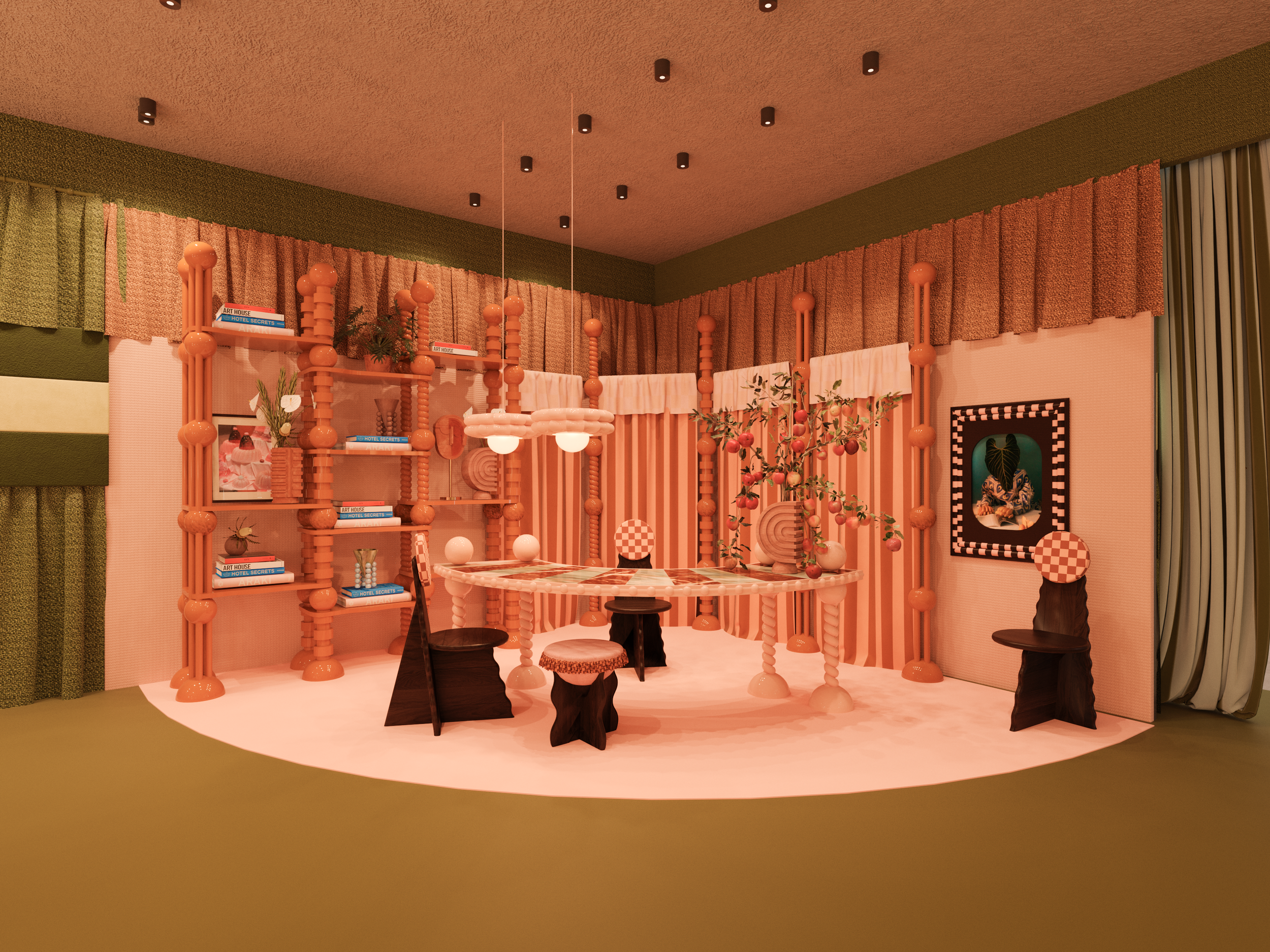
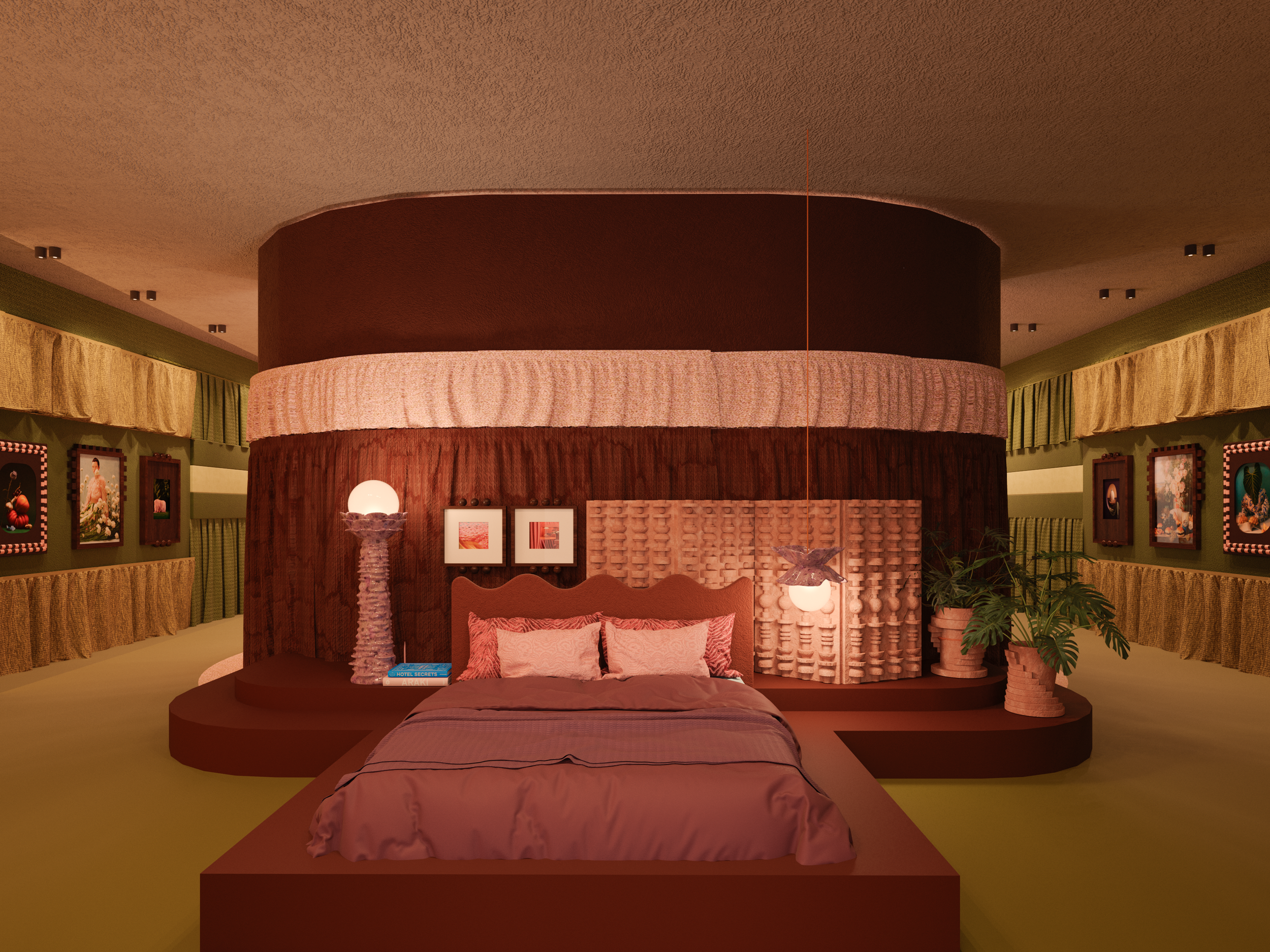
The studio will seek to evidence this human-centric ethos throughout Maison&Objet, as well as in the wider Paris Design Week that the fair operates in conjunction with. While Maison&Objet happens twice a year, in both January and September, the autumn edition of the fair is particularly focused on presenting new voices within design, as well as experimental approaches that represent new avenues of enquiry for the industry as a whole – a contrast to January’s emphasis upon collectible design and the luxury sector. Within this framework, Masquespacio is to present Feel the Shift, an installation that will welcome visitors to the fair and present an abstracted interpretation of a contemporary home that centres human connection and emotional impact. “We want people to go inside that space and feel connected,” Penasse explains. “After all, what is more human than a home? So it’s going to filled with lots of textiles, as well as furniture pieces that we’ve been creating and handmade ceramics that are really a part of us in that they’re very imperfect. Everything going on in there is going to be very human.”
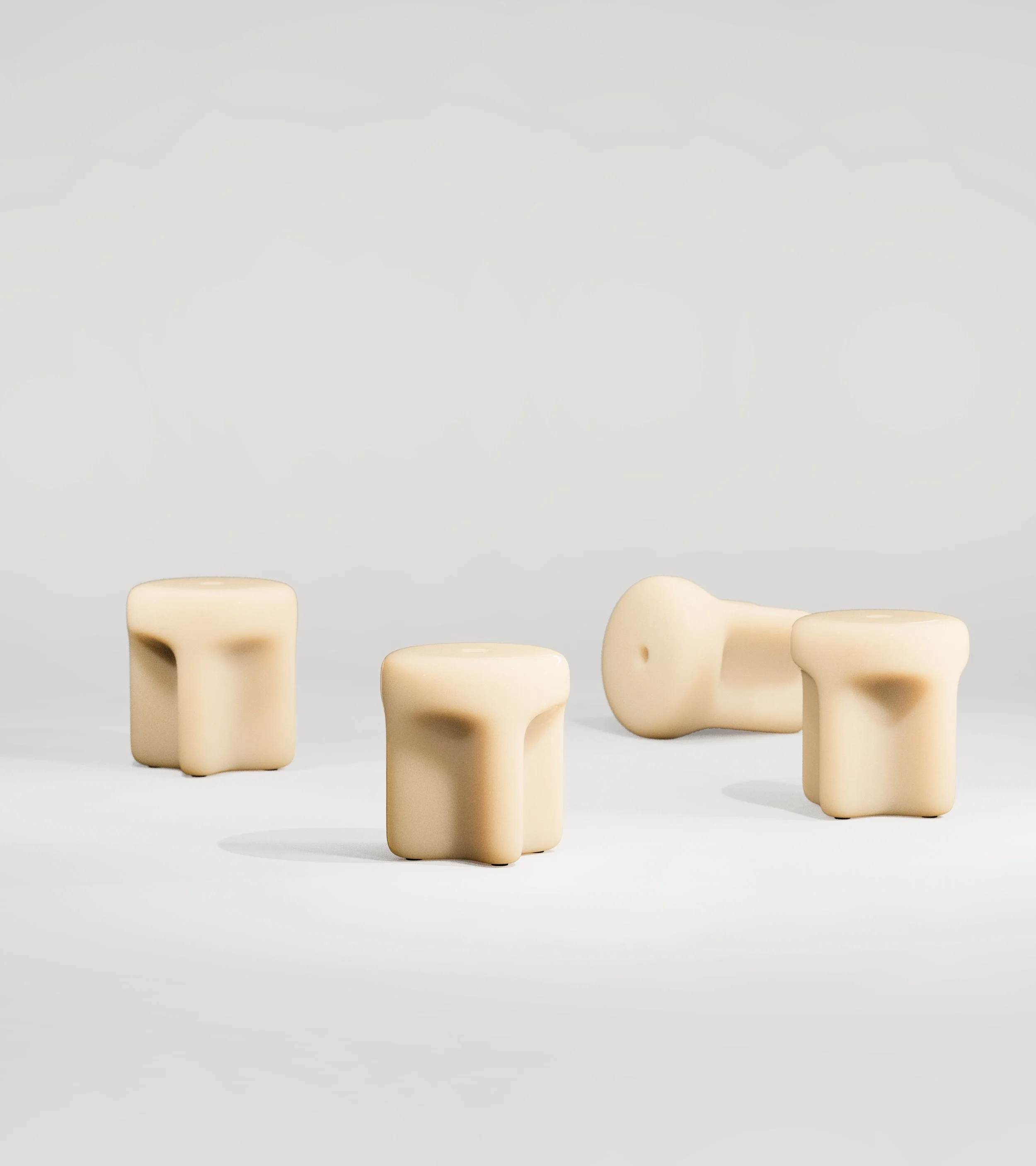
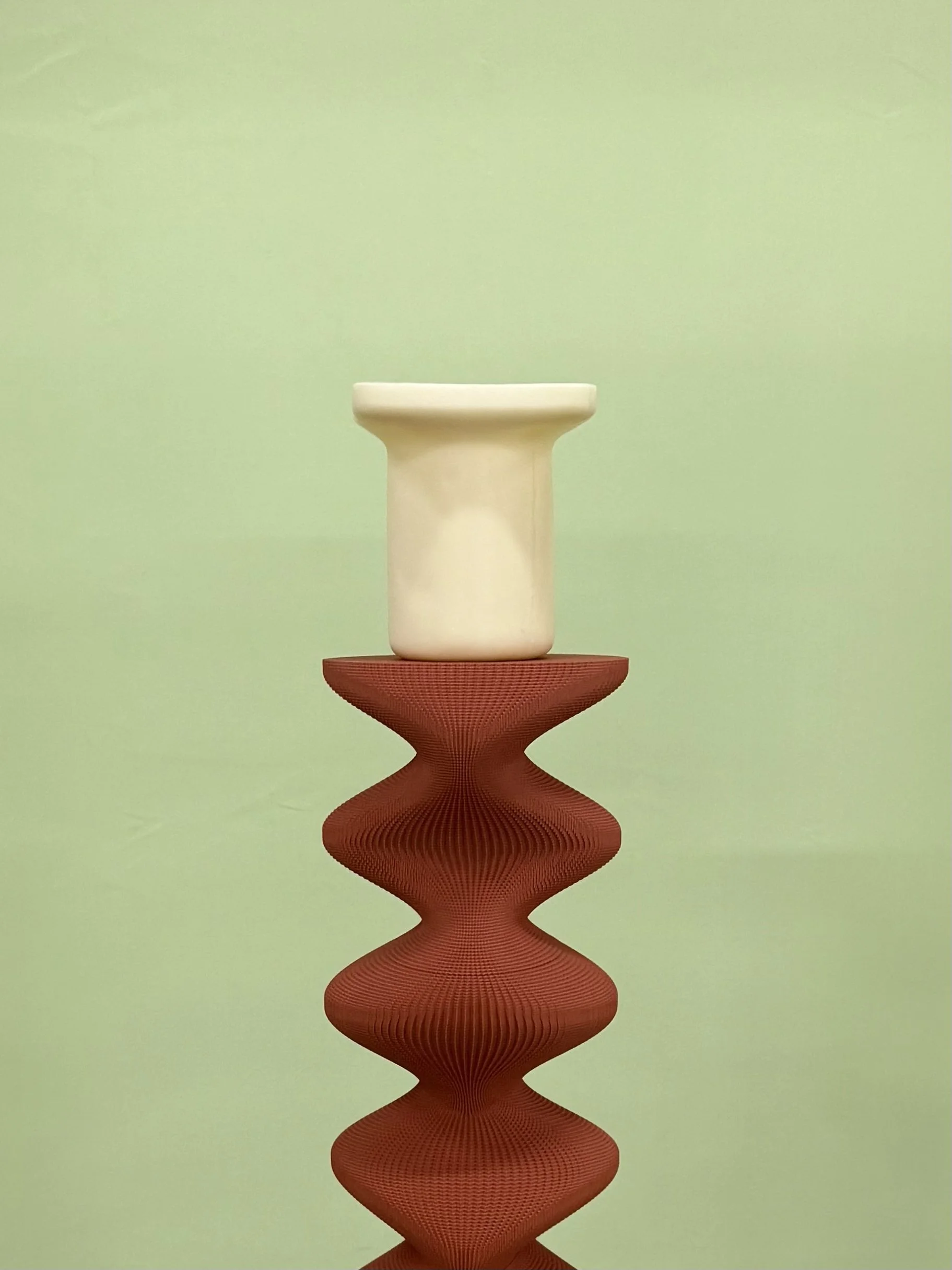
Elsewhere in the fair, this emphasis on human experience will be picked up by a series of different initiatives. The Design District display that the fair launched in 2025 to exhibit the work of new voices in the field will return in 2026, once again curated by Paris-based design studio Hall Haus – a studio whose own breakthrough in the early 2020s was supported by Maison&Objet. It is the fair’s emphasis on new perspectives, explains Hall Haus co-founder Sammy Bernoussi, that provides its ongoing relevance to the sector. “[Spotting] innovative concepts, engaging audiences drawn to design and emerging trends, people looking for inspiration and future bestsellers,” Bernoussi says, “that resonates with us.”
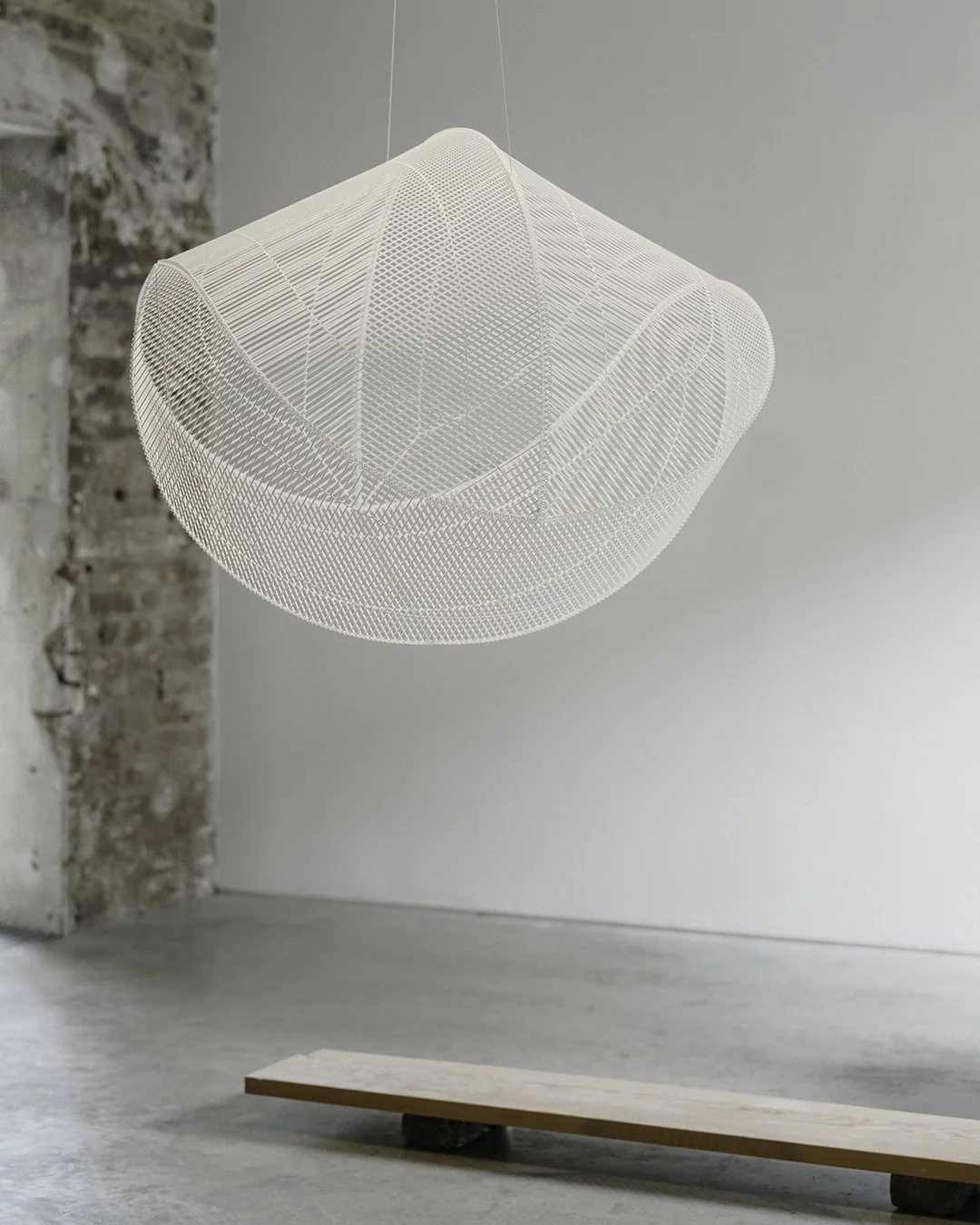
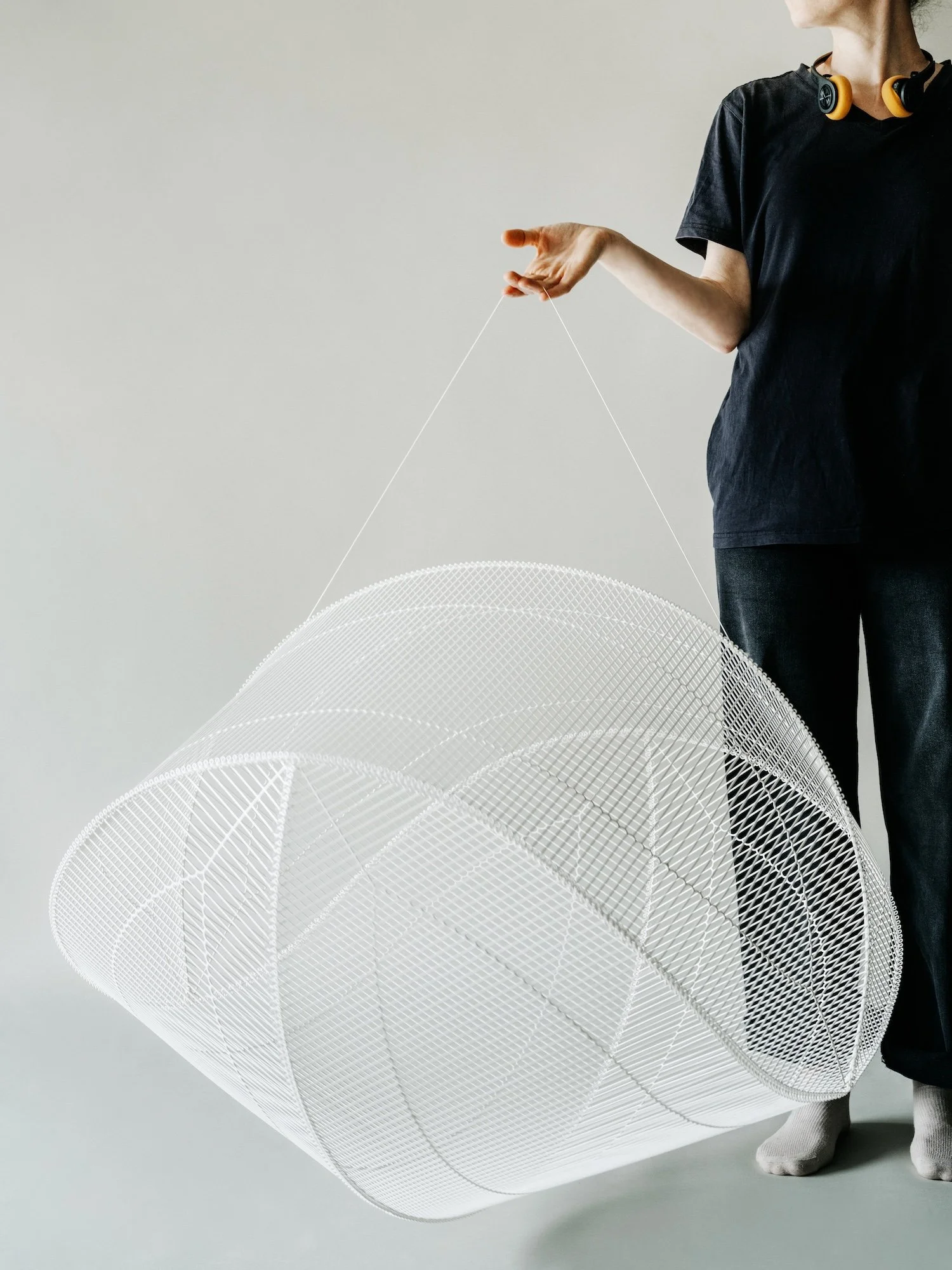
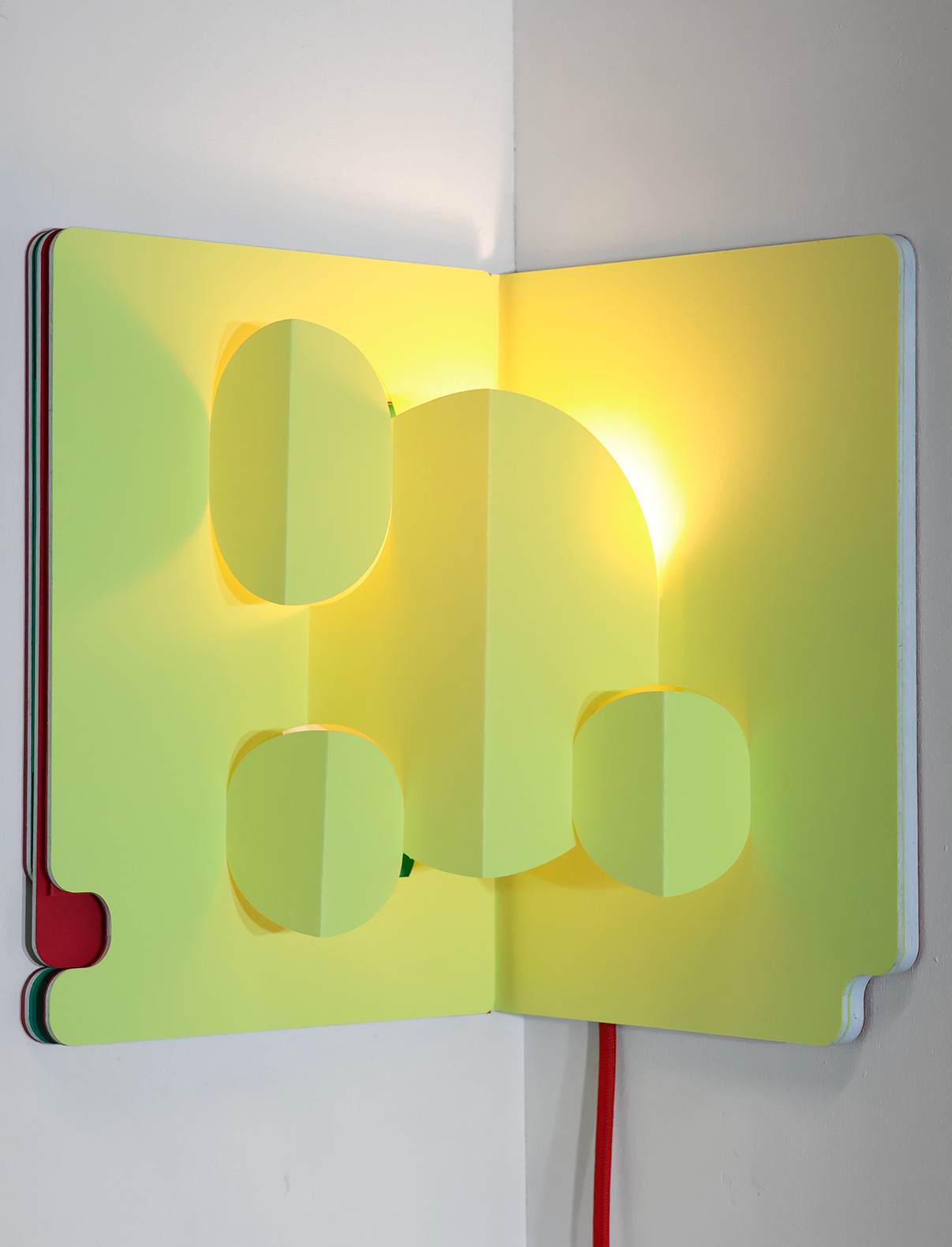
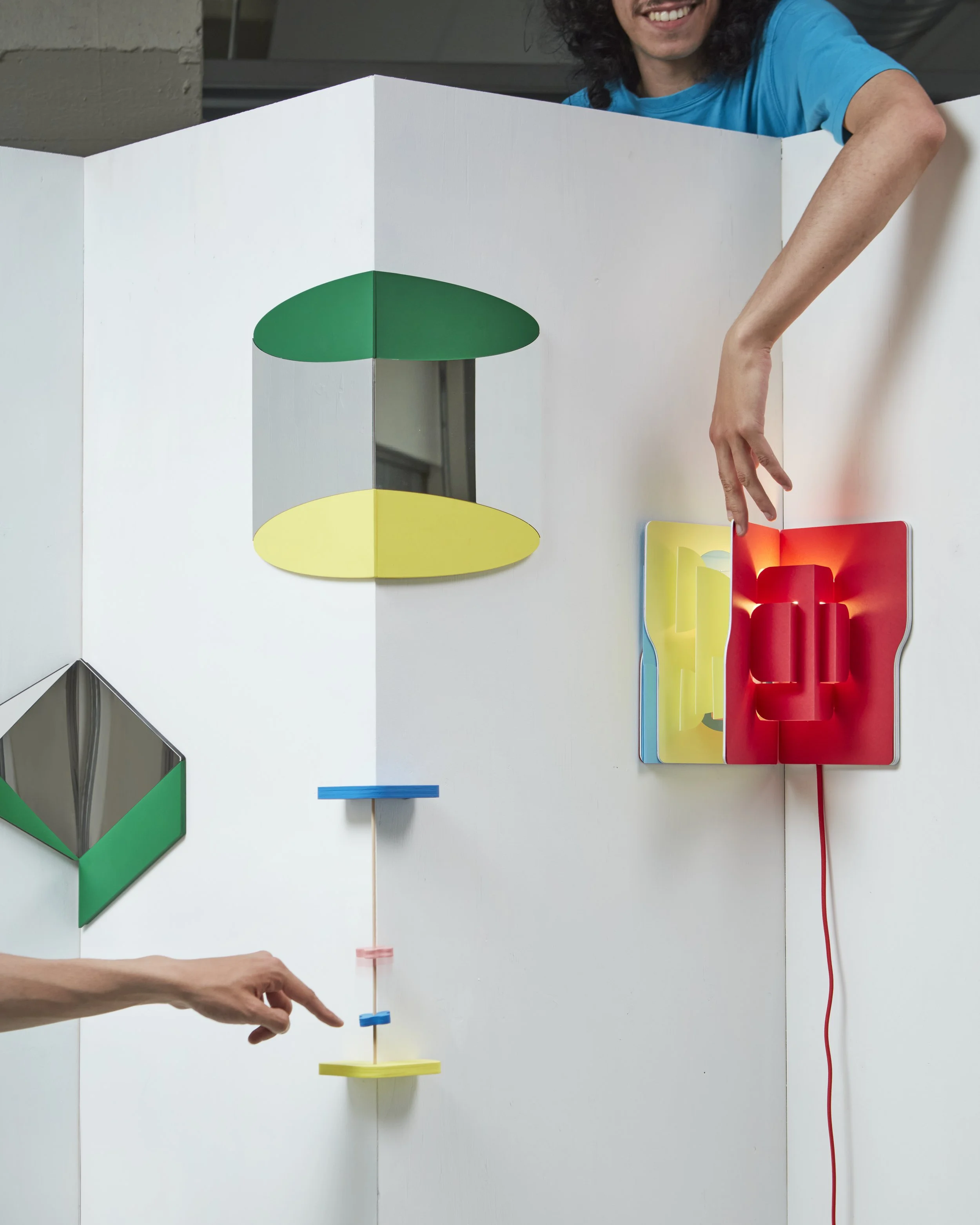
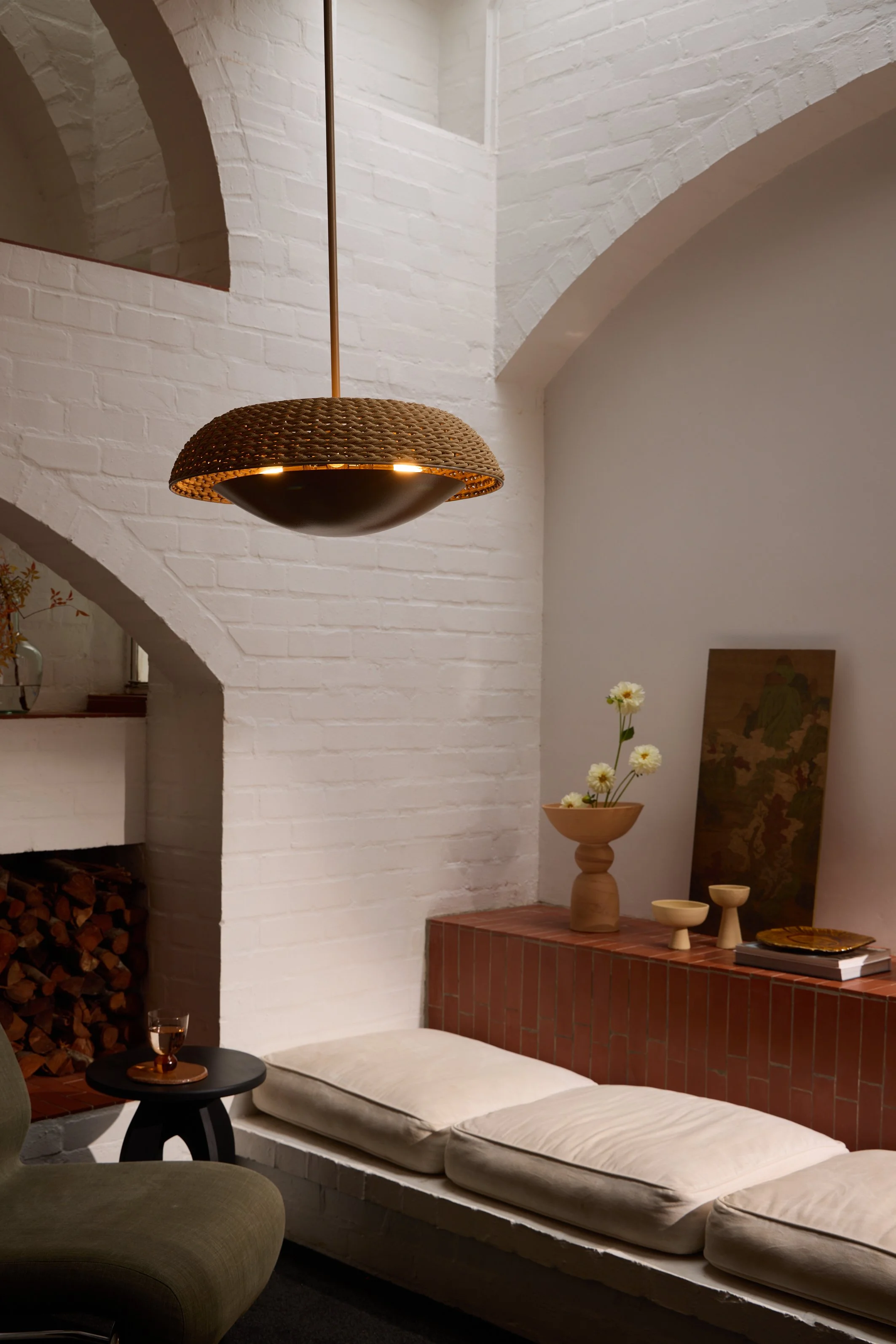
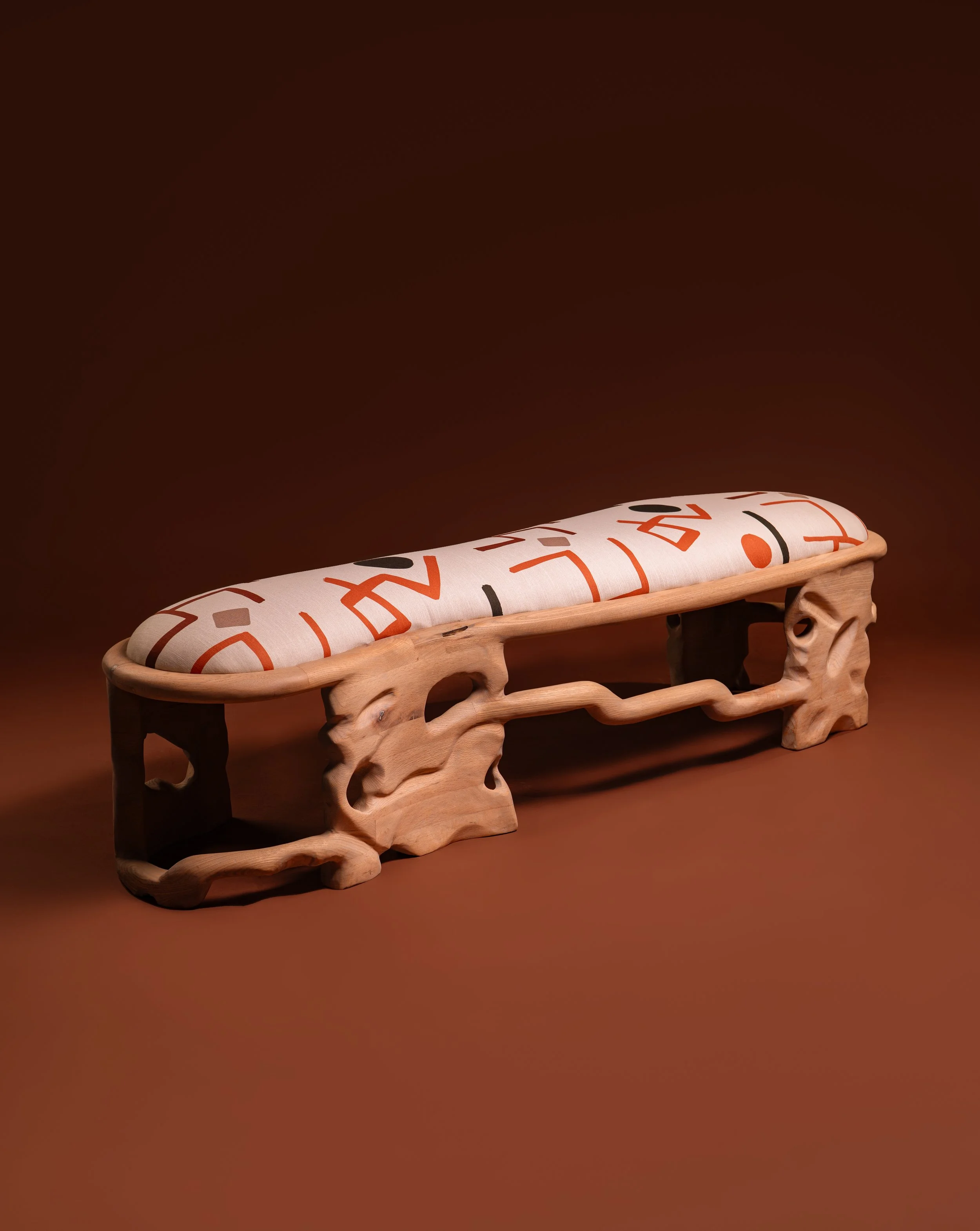
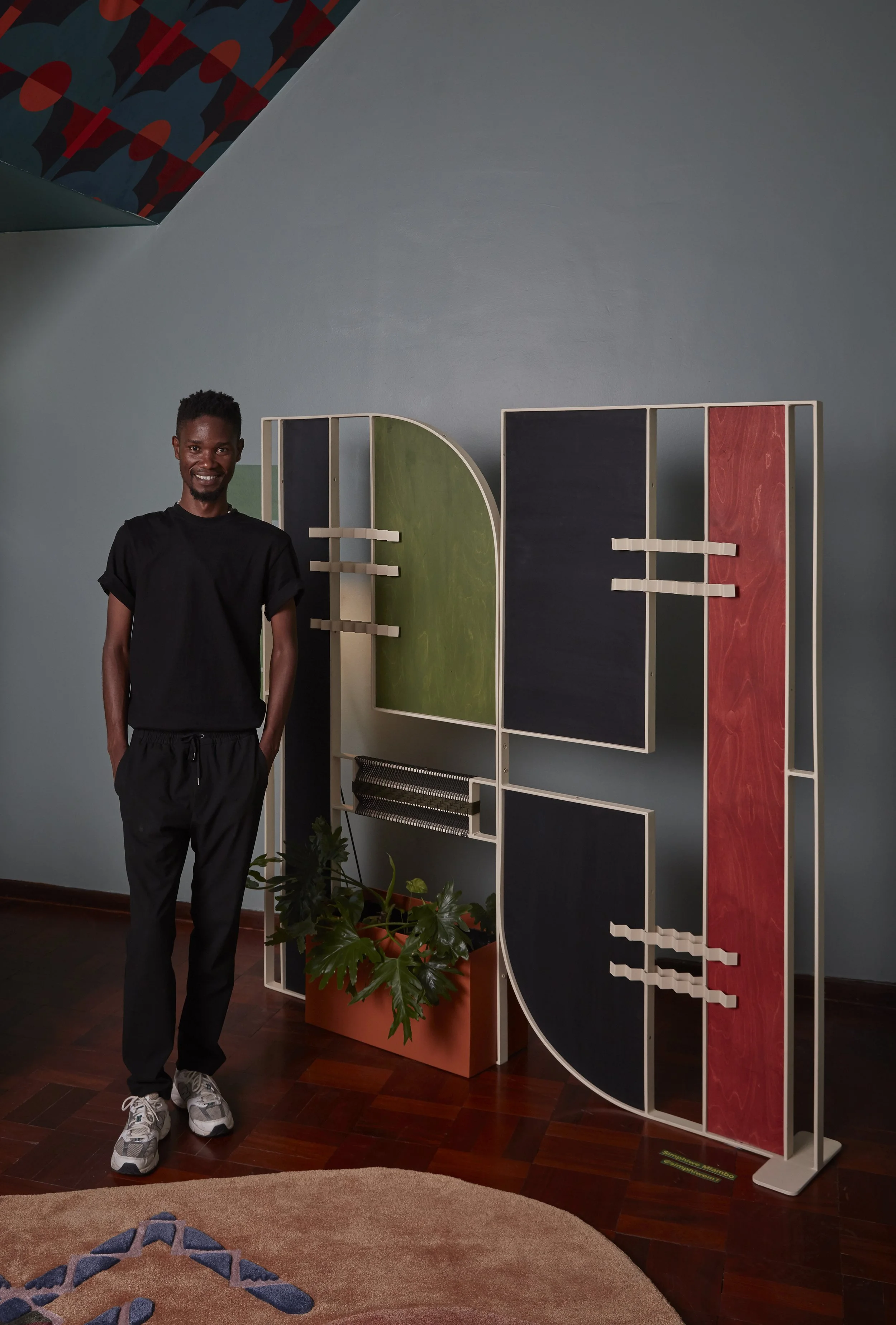
Two further programmes at Maison&Objet will extend this idea. Future On Stage provides a platform to highlight emerging design brands, this year exploring Baguette Studio’s circular lamp designs made from natural beeswax; Risette’s paper craft lamps and room distorting mirrors; and the amorphous, monomaterial mesh lighting installations designed by LightMass. The experimentation of these brands will find further resonances in the work of individual studios, highlighted as part of the fair’s annual Rising Talent Awards, which will focus this year on seven practitioners from South Africa. Raising questions surrounding provenance, cultural heritage, and the maintenance of craft traditions in the 21st century, the work on display from designers Studio Lloyd, Meetlo Studio, Simphiwe Mlambo, Nish, Deft Studios, Pinda Interior Design and Karlien van Rooyen is intended to reflect the contemporary face of South African design, while also placing it in dialogue with the internationalism of the fair. “Collaborating with Maison&Objet,” explains Johannesburg-based designer Thabisa Mjo, one of the jurors tasked with selecting this year’s Rising Talents, “creates a space where singular voices can be seen and understood within a broader framework.”

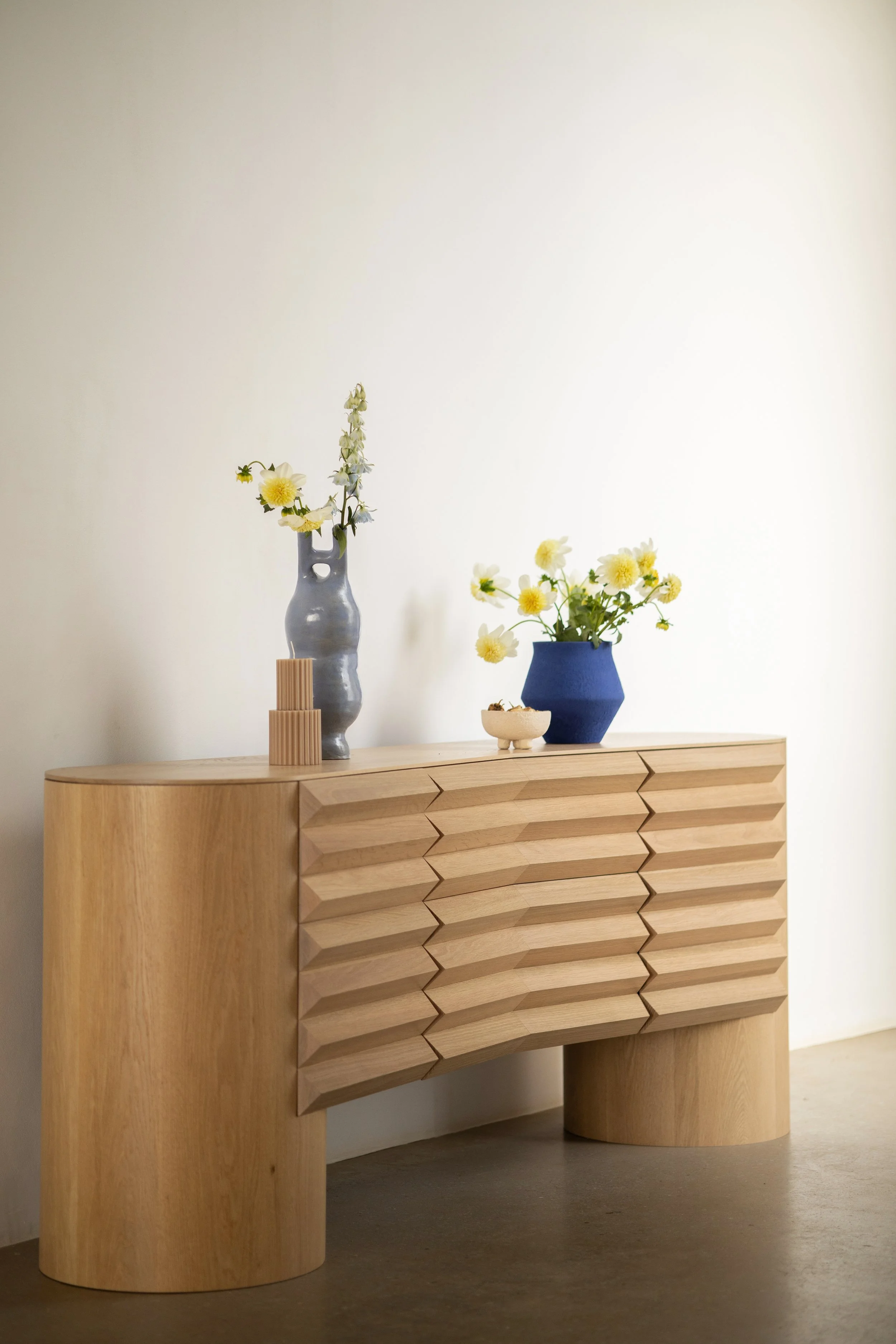
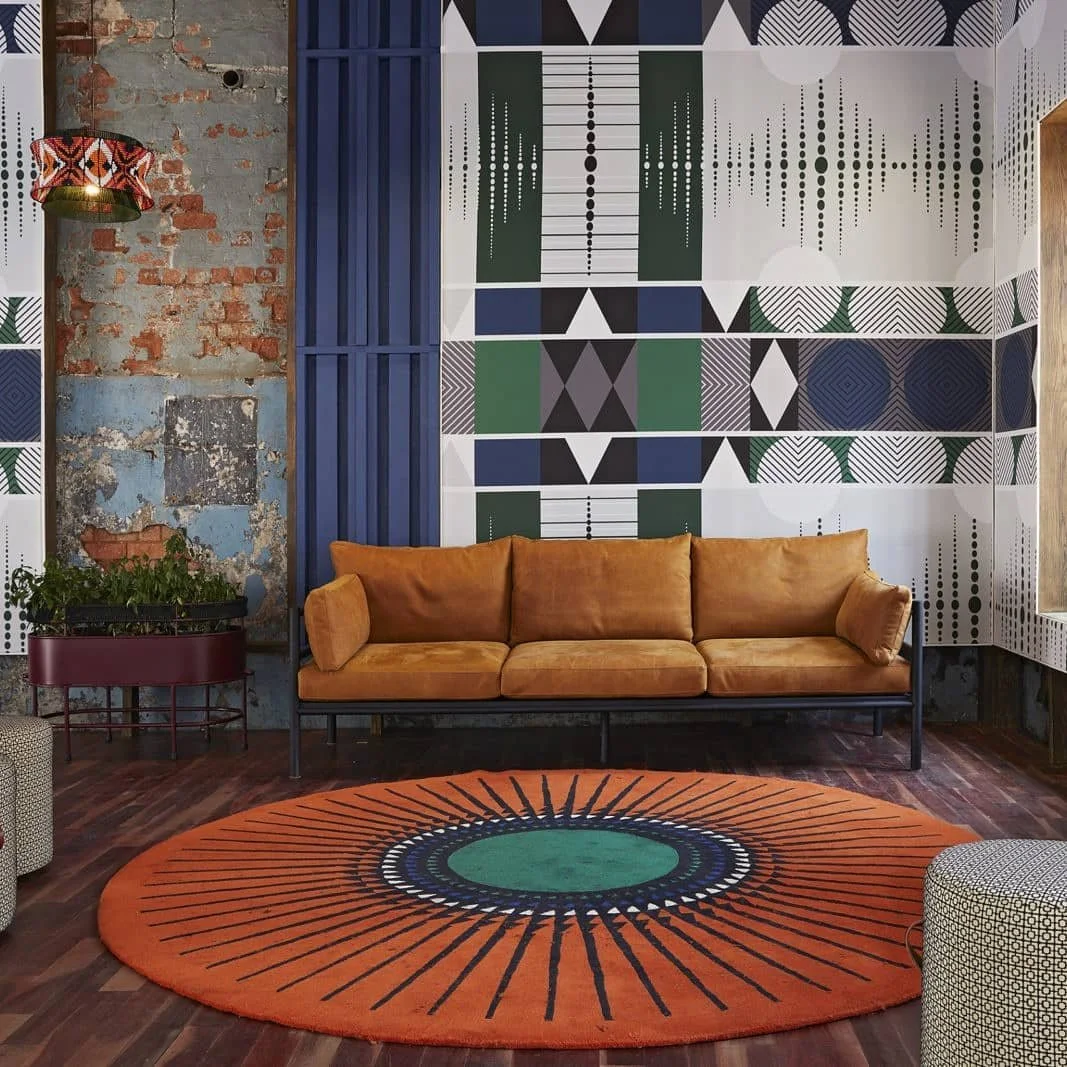
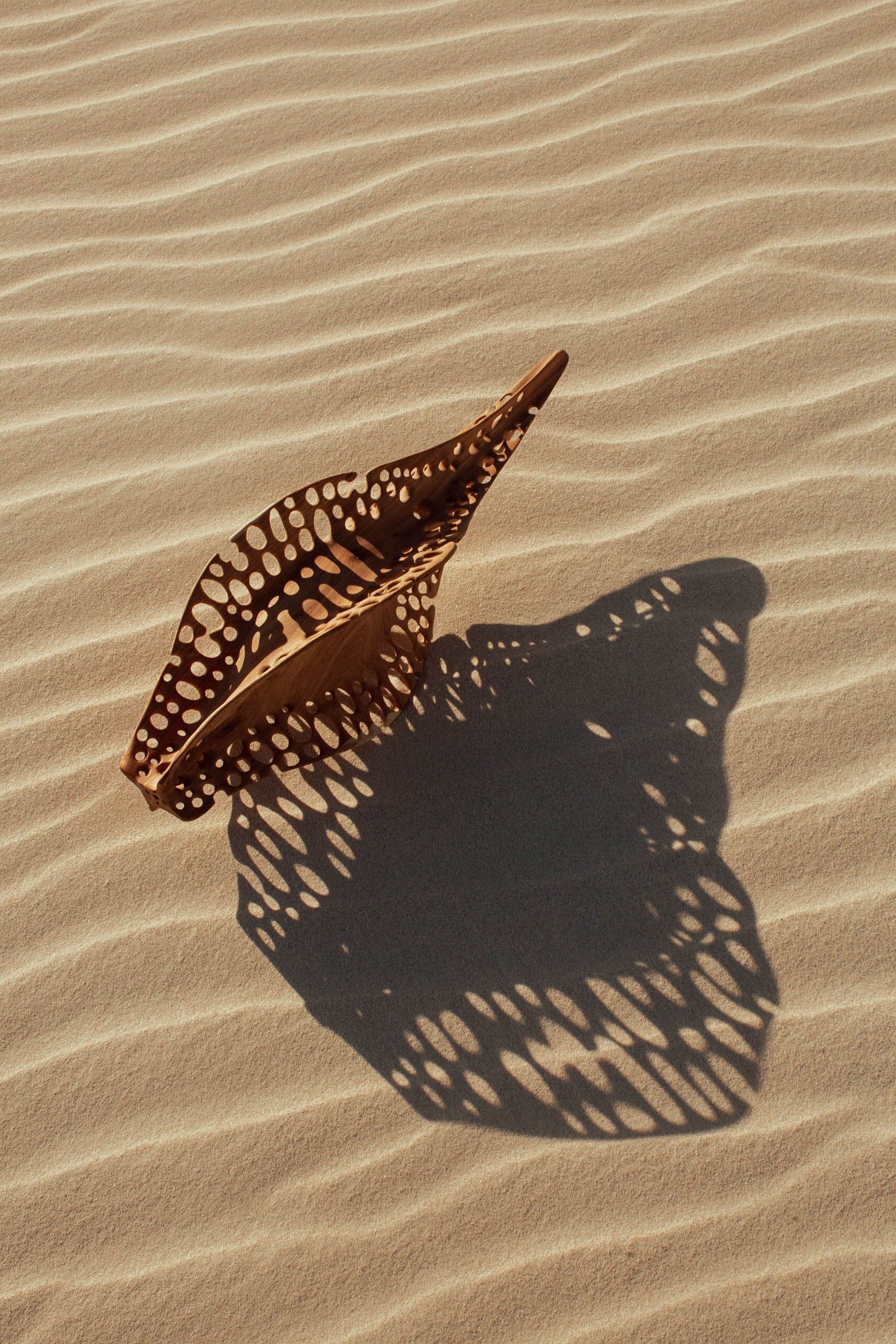
It is this same spirit of connection that Penasse hopes Masquespacio will be able to bring to proceedings also. In addition to Feel The Shift, the studio is also designing Play Again, an exhibition of the studio’s work, styled as a playground, that will be exhibited in central Paris as part of the city’s design week, drawing the activities of the fair into dialogue with the city that it calls home. “Play Again is really a fantasy world that’s about getting back to our childhood, but using the same materials and elements that we’re representing in Maison,” Pernasse explains. This sense of play, fun, joy and energy, Pernasse adds, is what the studio feels is distinctive of its work, but also expressive of Maison’s overarching theme of Pulse in Motion. “Many times in our work, [fun] appears through the play of colours with the play of patterns, which is what creates a playful environment,” he says. Central to both Masquespacio’s own ethos, as well as the September edition of Maison&Objet’s emphasis upon new voices in design, Pernasse adds, is the need for the design world to embrace change and evolution, without losing sight of the human values that define it. “If we just relax and stay still, we will be finished very soon,” Pernasse says, citing the growing sophistication of digital design tools that risk marginalising the role of the designer. “But if we continue to evolve and to be authentic, we will still be there in the future. So that's what we want to represent: it’s how we see the design world, and it’s also why we called the exhibition Feel the Shift – right now, the design world is changing.”
Maison&Objet will take place in Paris from 10-14 September 2026.
Listen to a podcast with Christophe Penasse of Masquespacio, speaking about Maison&Objet, here.
This article was made for Maison&Objet.