
El Salón at Clerkenwell Design Week
A film shot at El Salón with Tomás Alonso (Film and editing by Alice Doušová, Zuketa).
“In Spanish, ‘el salón’ refers to a large room within a house – a flexible space for social gatherings and entertaining,’ wrote Tomás Alonso, the Galician founder of London-based studio Tomás Alonso Design. “For Clerkenwell Design Week, we have adopted this typology.”
A dialogue between Alonso’s home country of Spain, and his adopted home of London, lay at the heart of El Salón, a recent installation commissioned by Interiors from Spain, part of ICEX Spain Trade and Investment, and produced by Disegno. Created as a centrepiece for the 2026 Clerkenwell Design Week, El Salón was a display of contemporary Spanish interior design and industrial production, installed from 19-21 May 2026 within the historic Chapter Hall of the Museum of the Order of St John. It is a museum whose roots lie in medieval England, with its famous Gate having been built in 1504, yet whose Neo-Gothic Chapter Hall is owed to Victorian architect John Oldrid Scott.
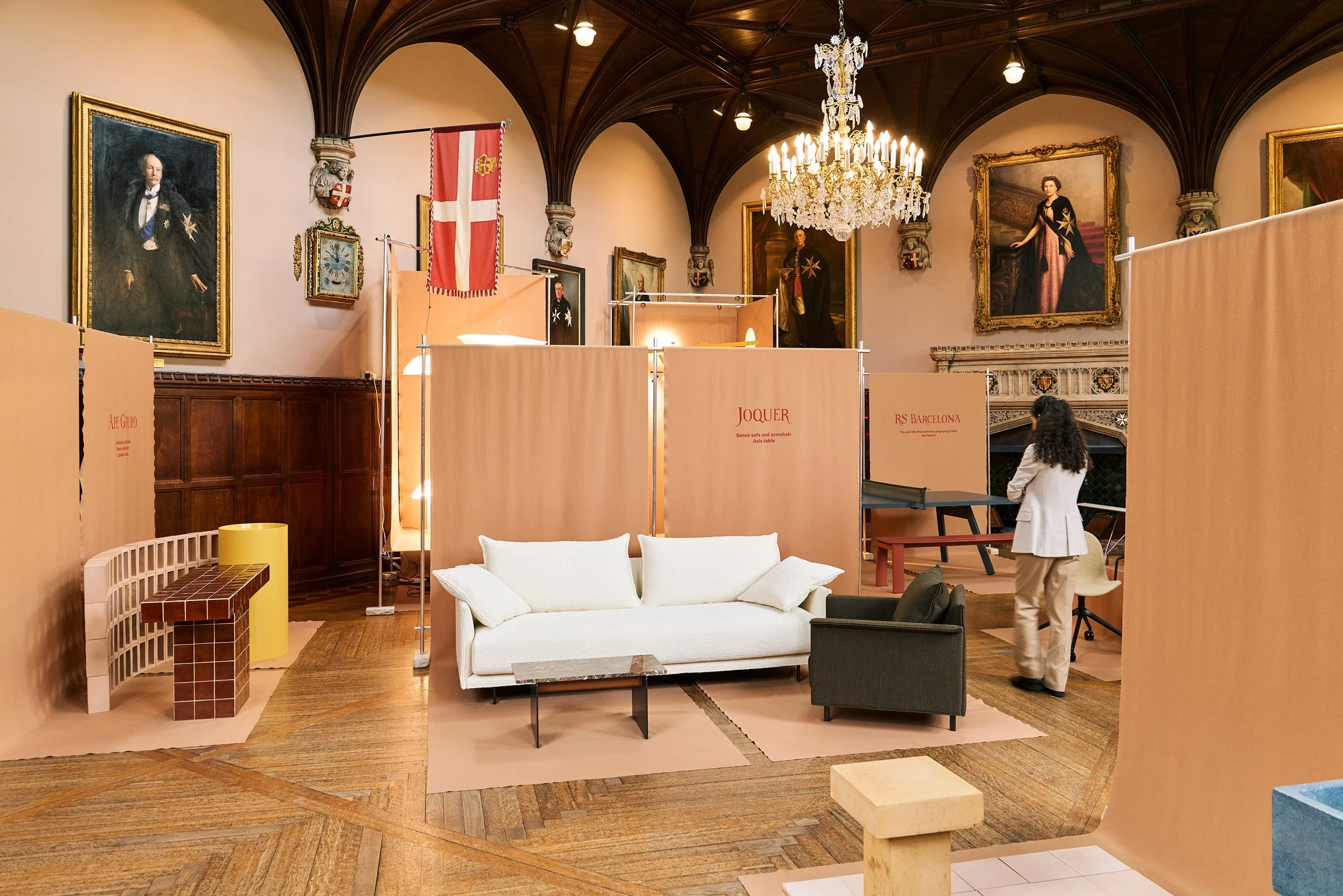
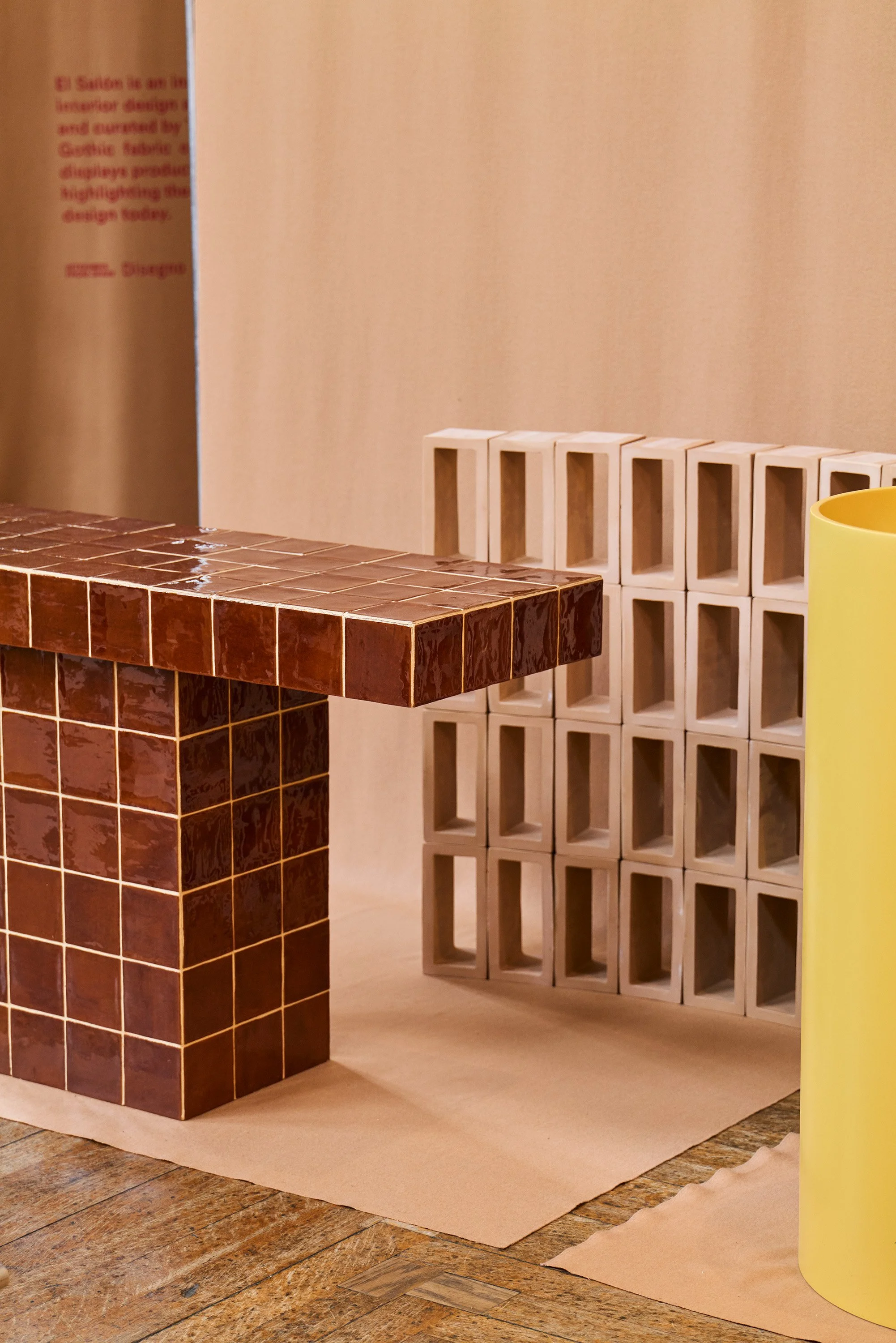
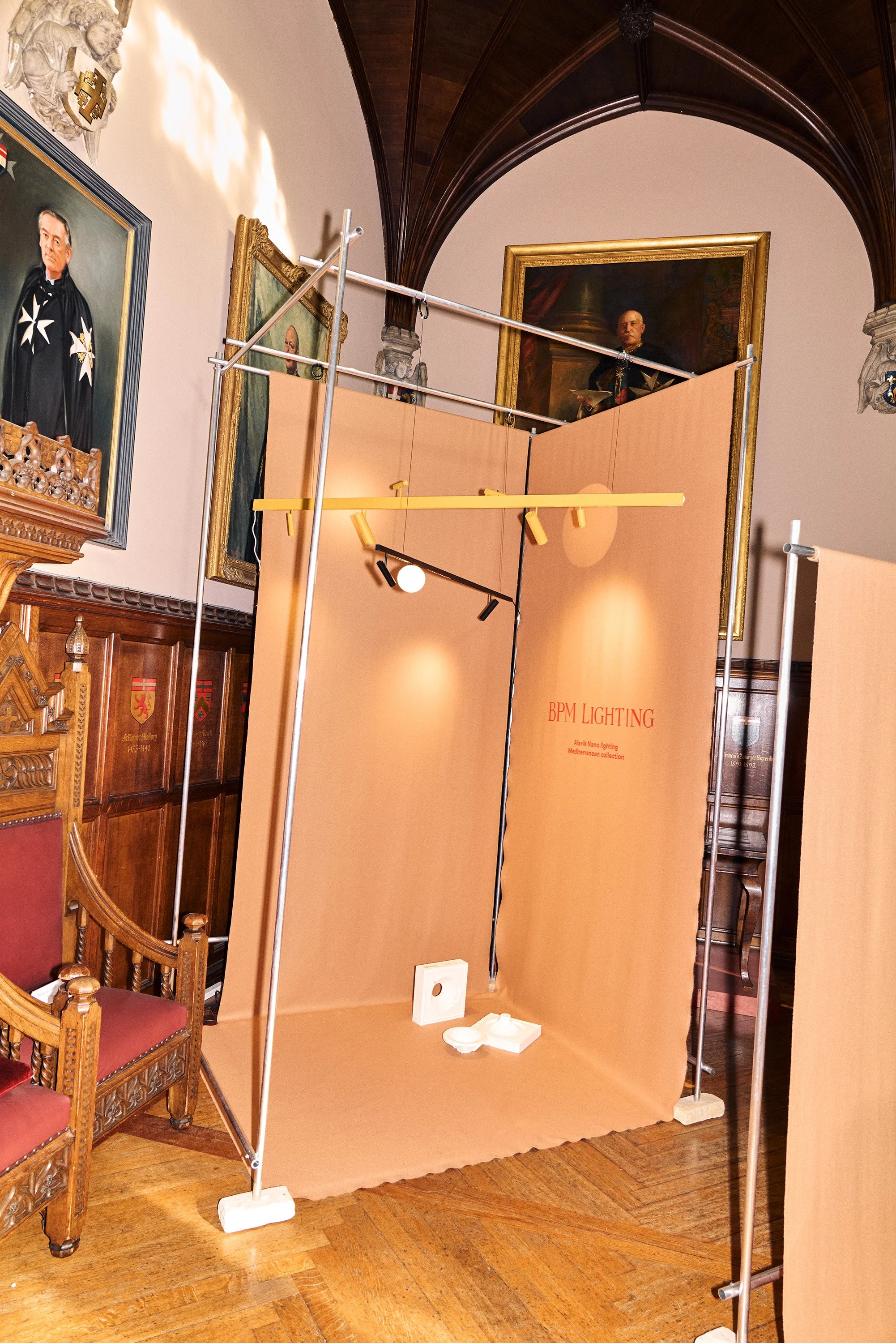
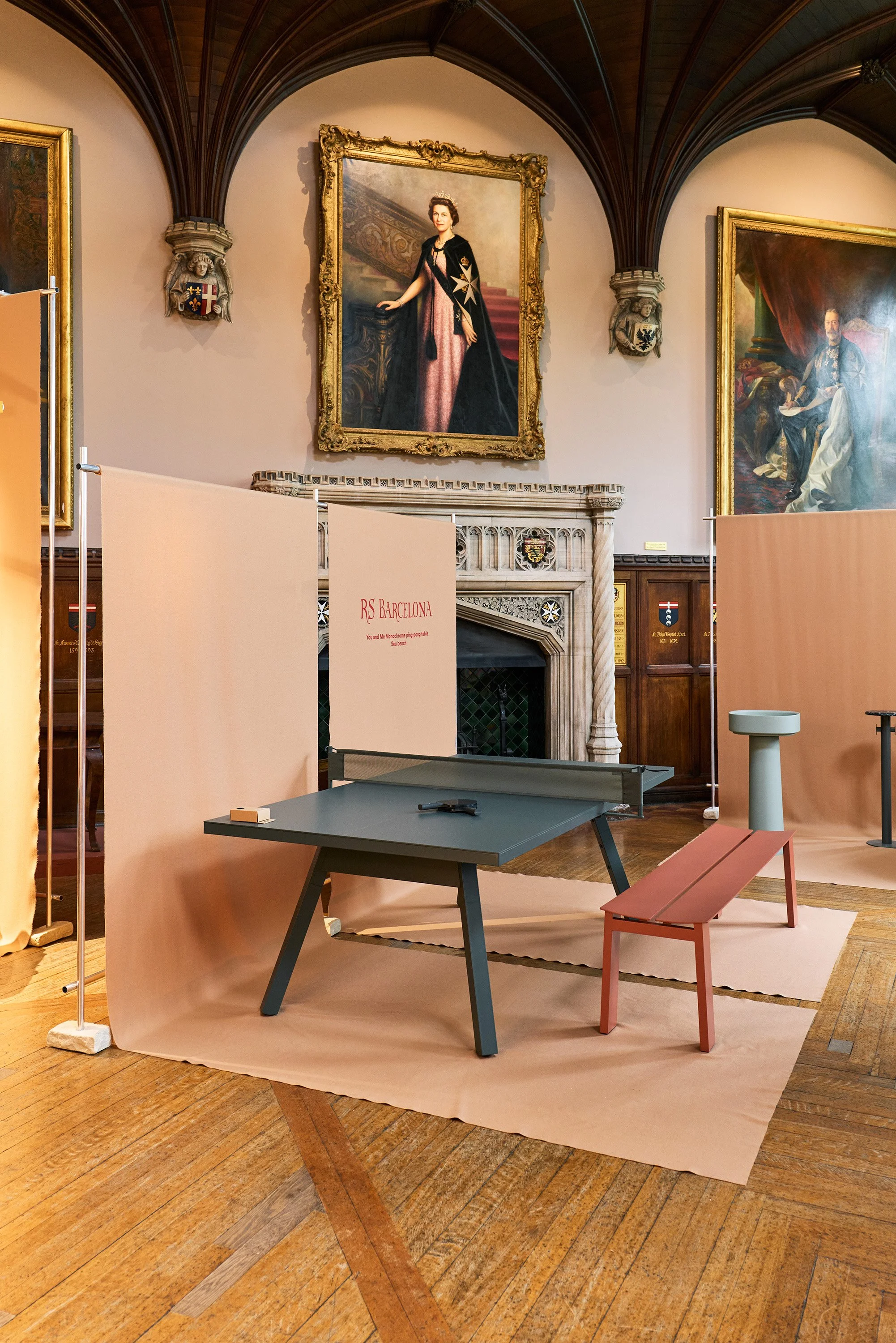
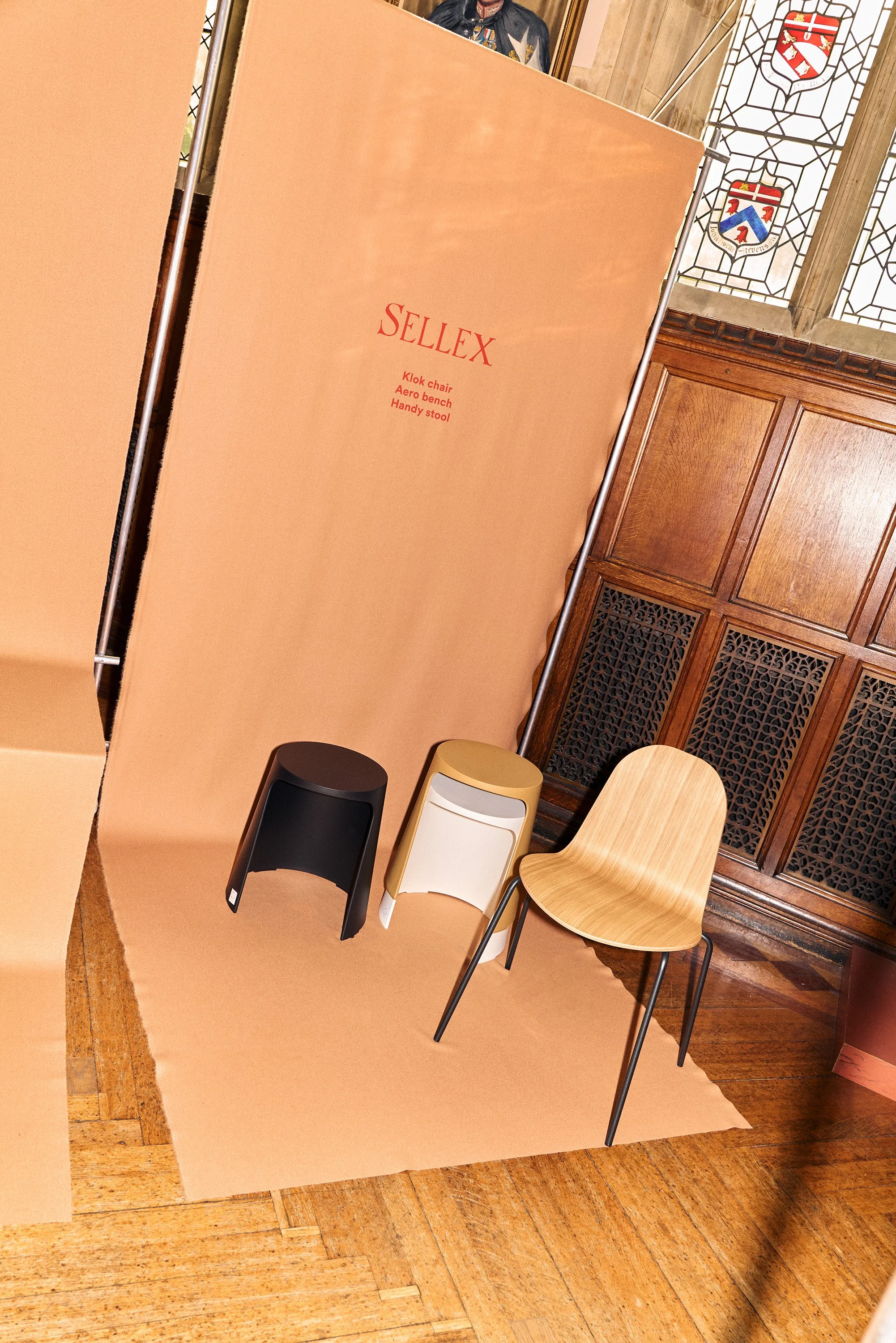
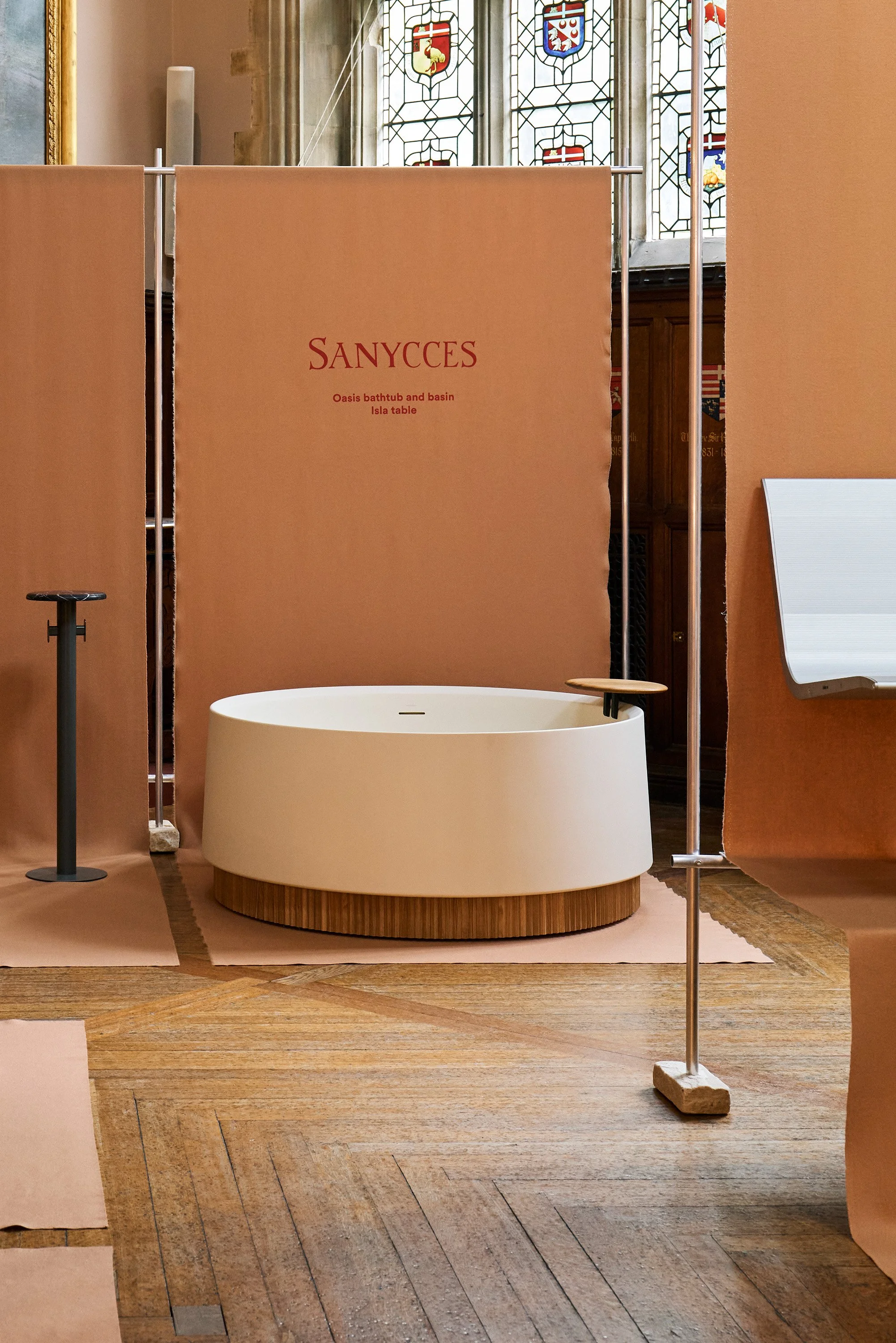
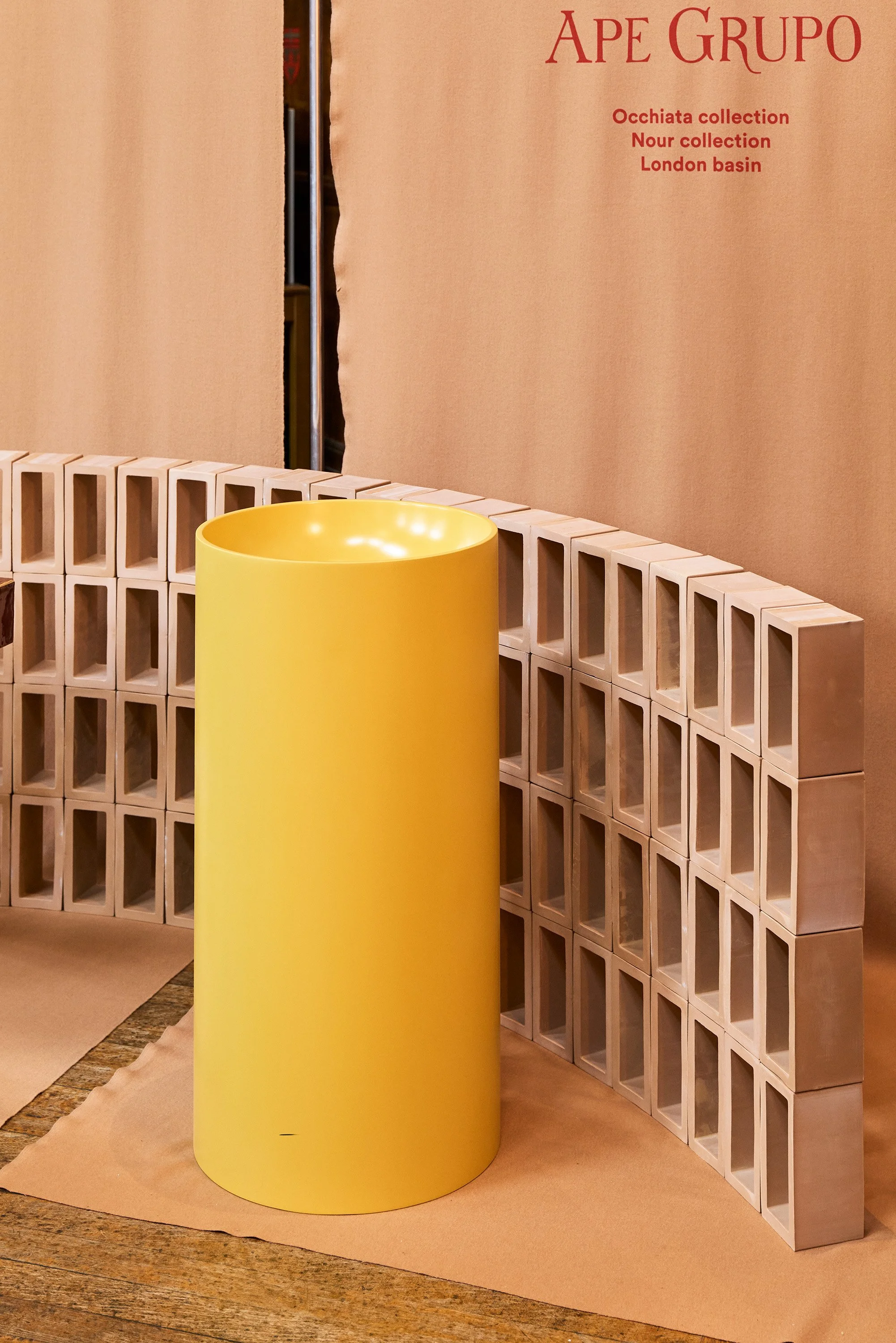
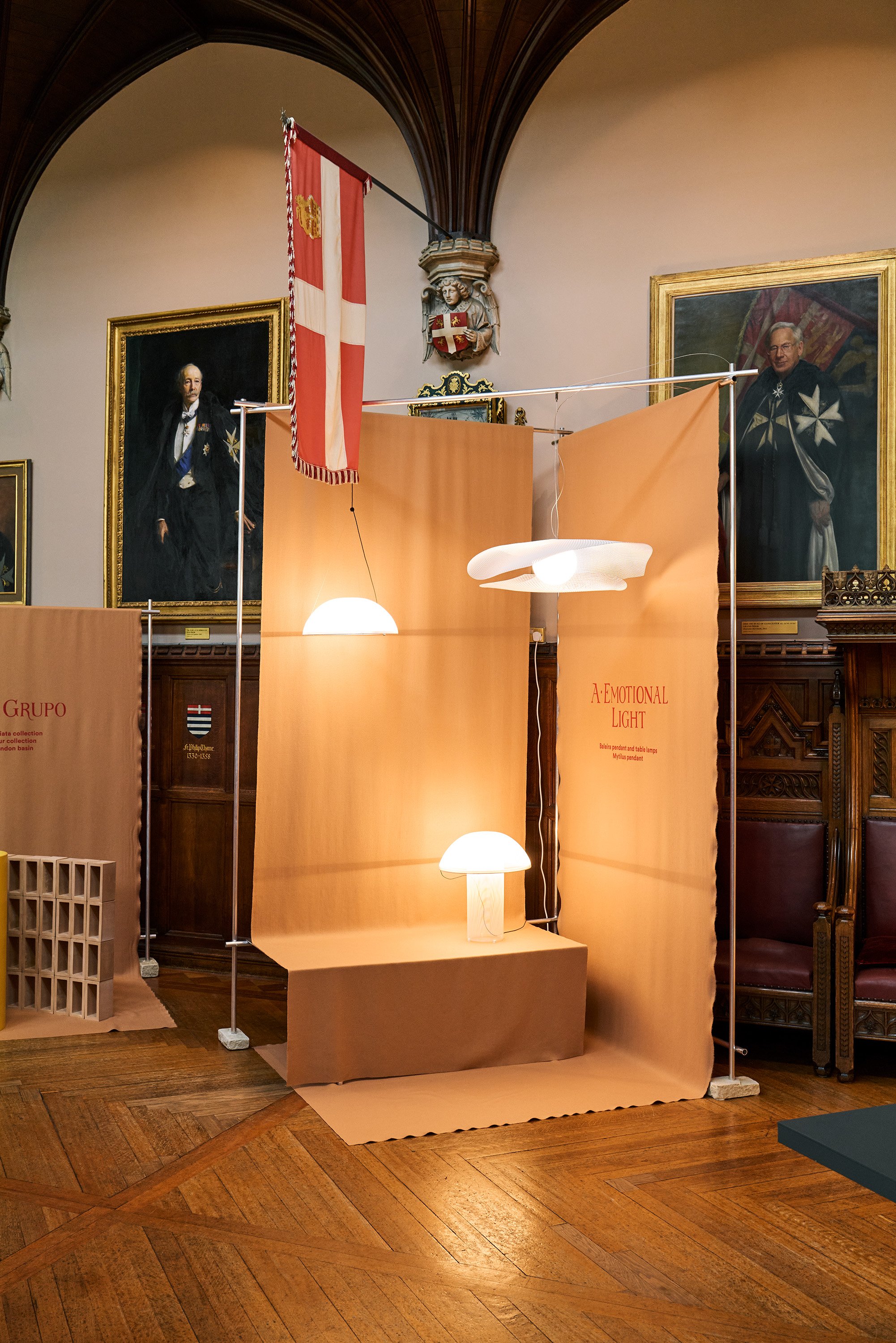
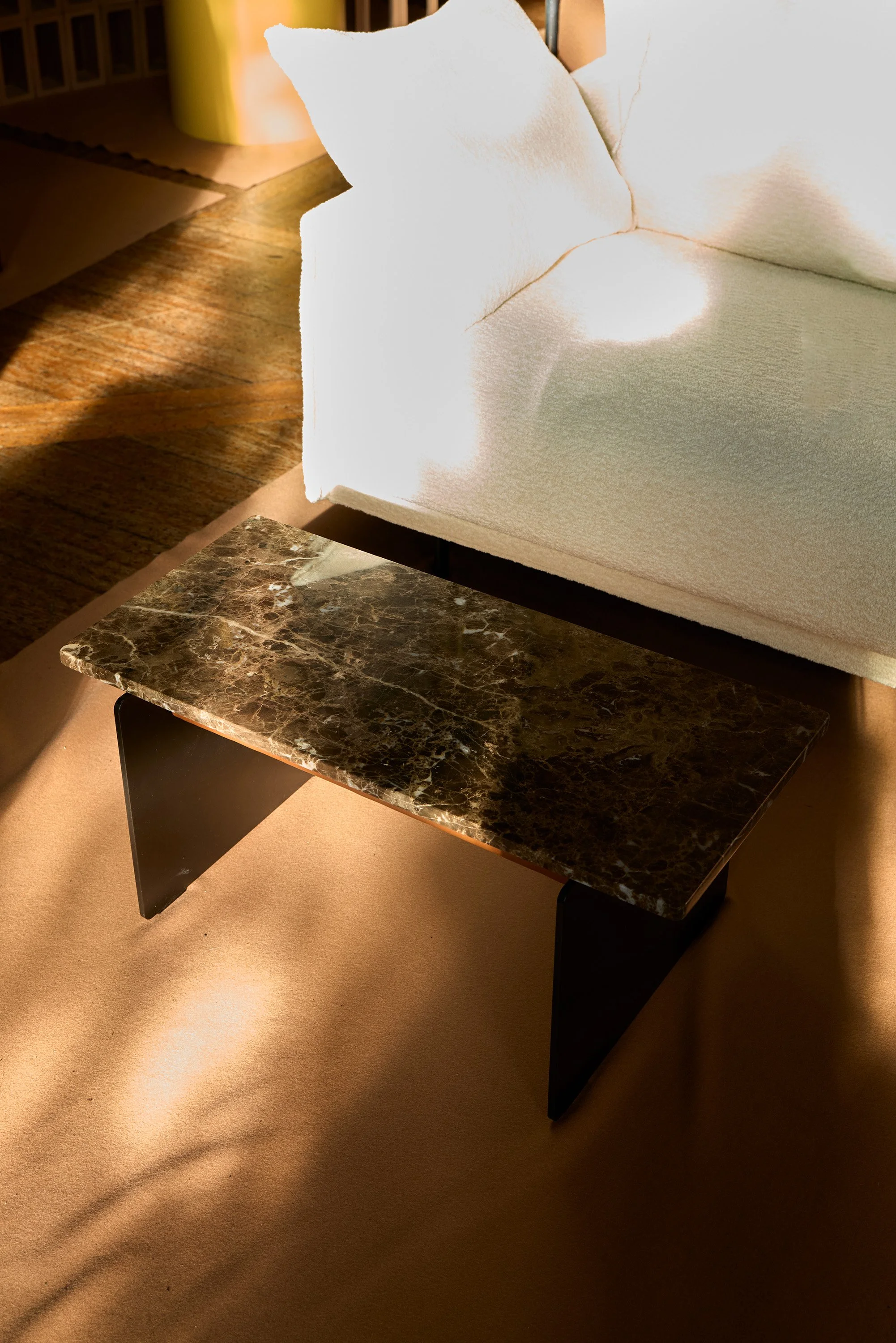
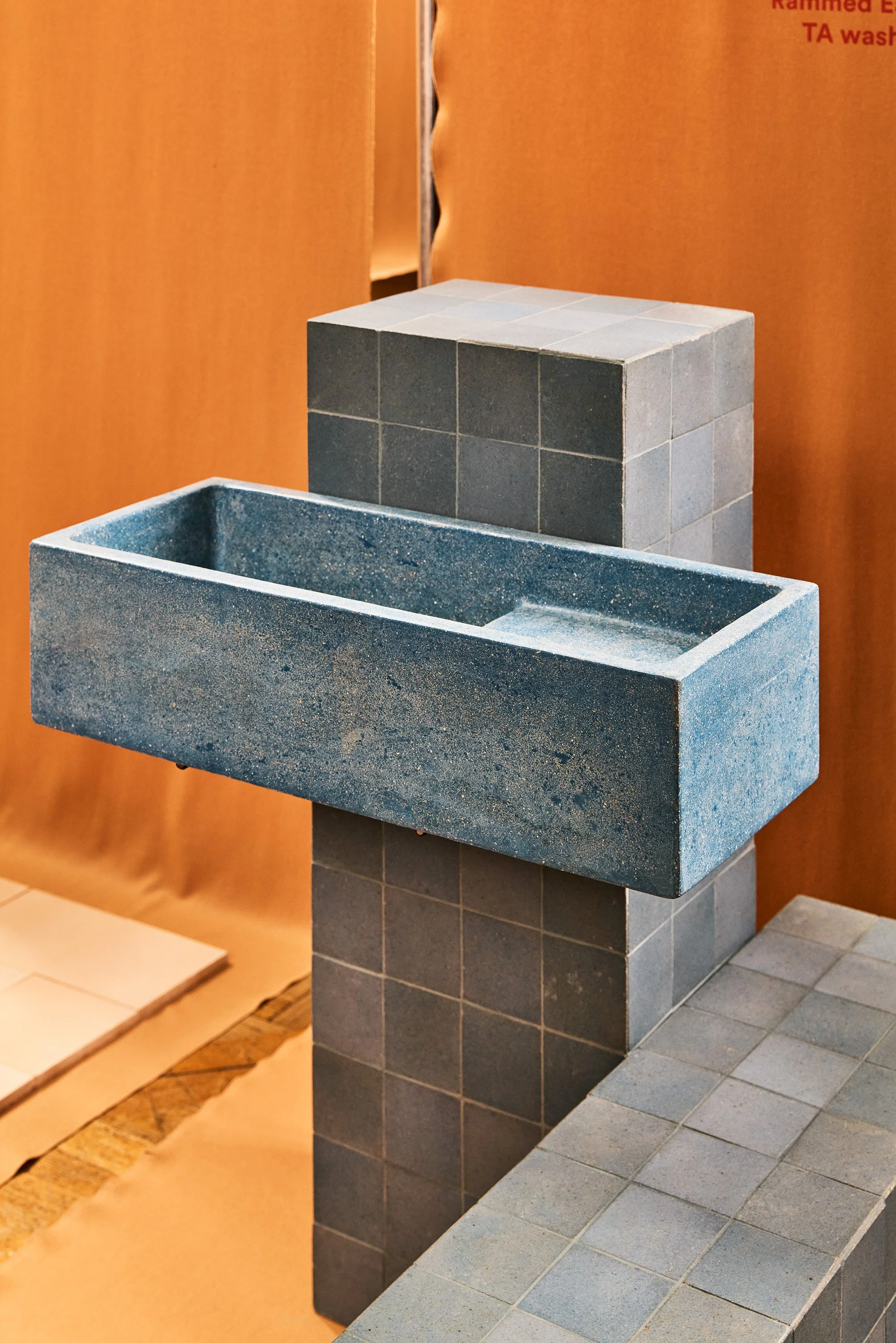
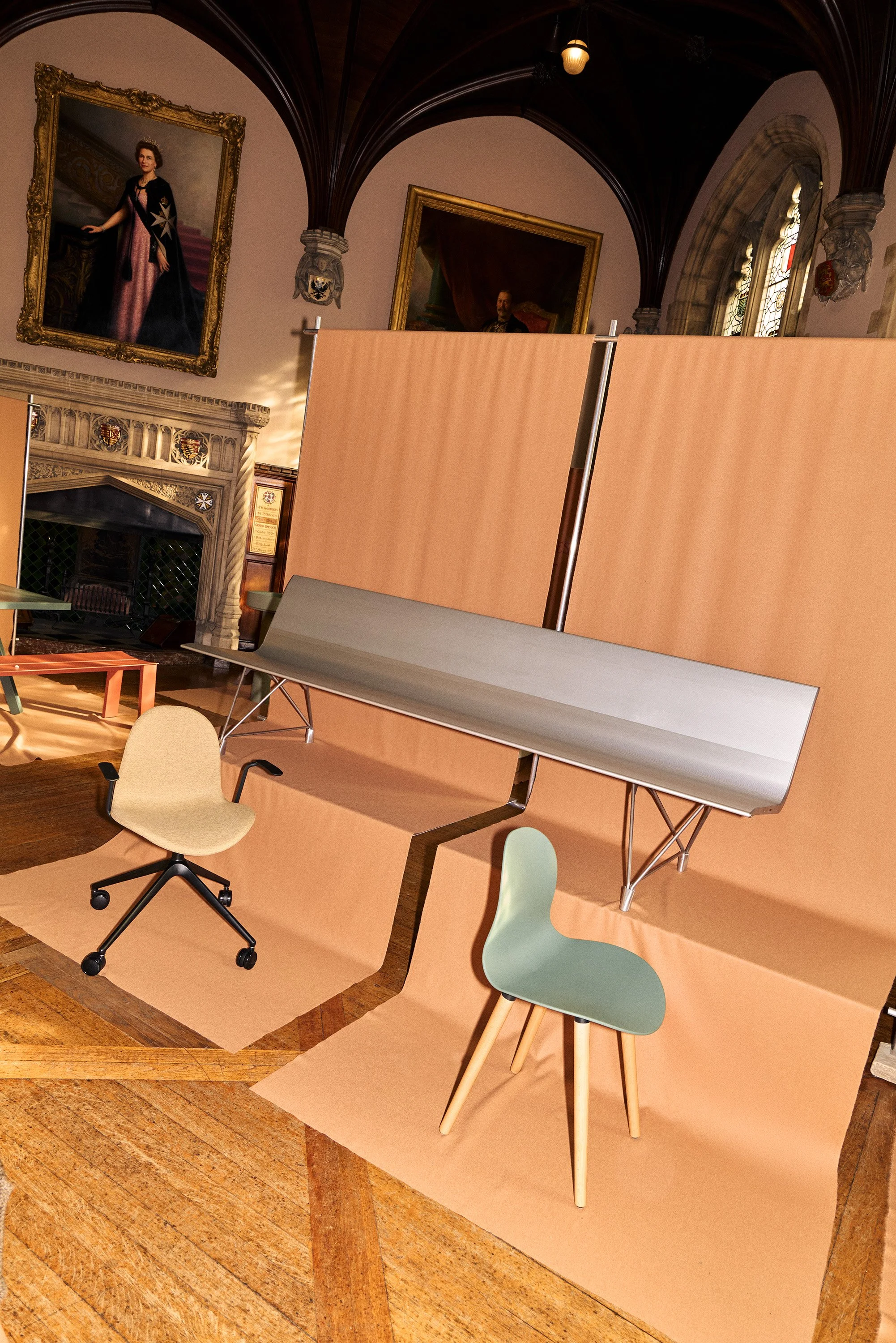
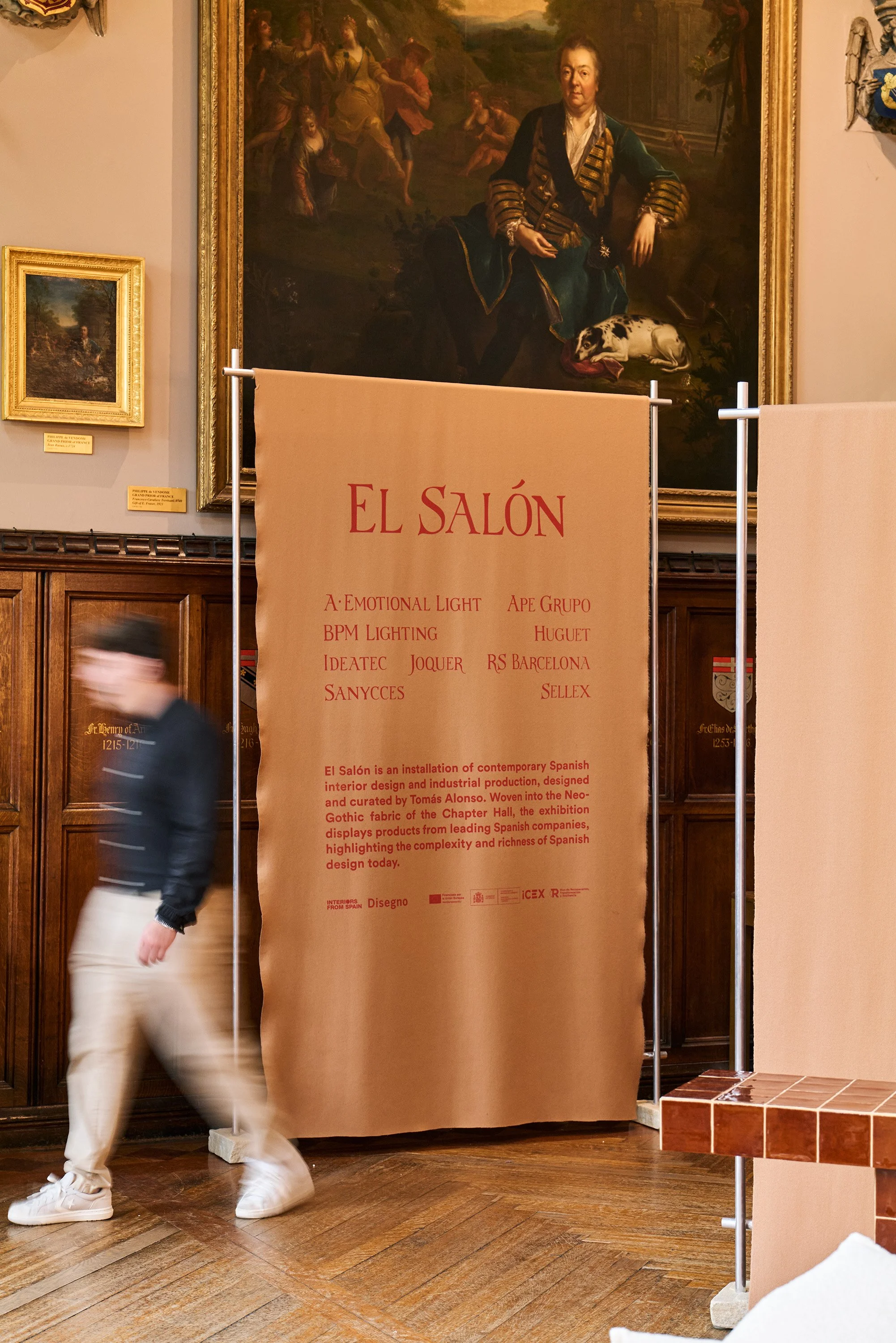
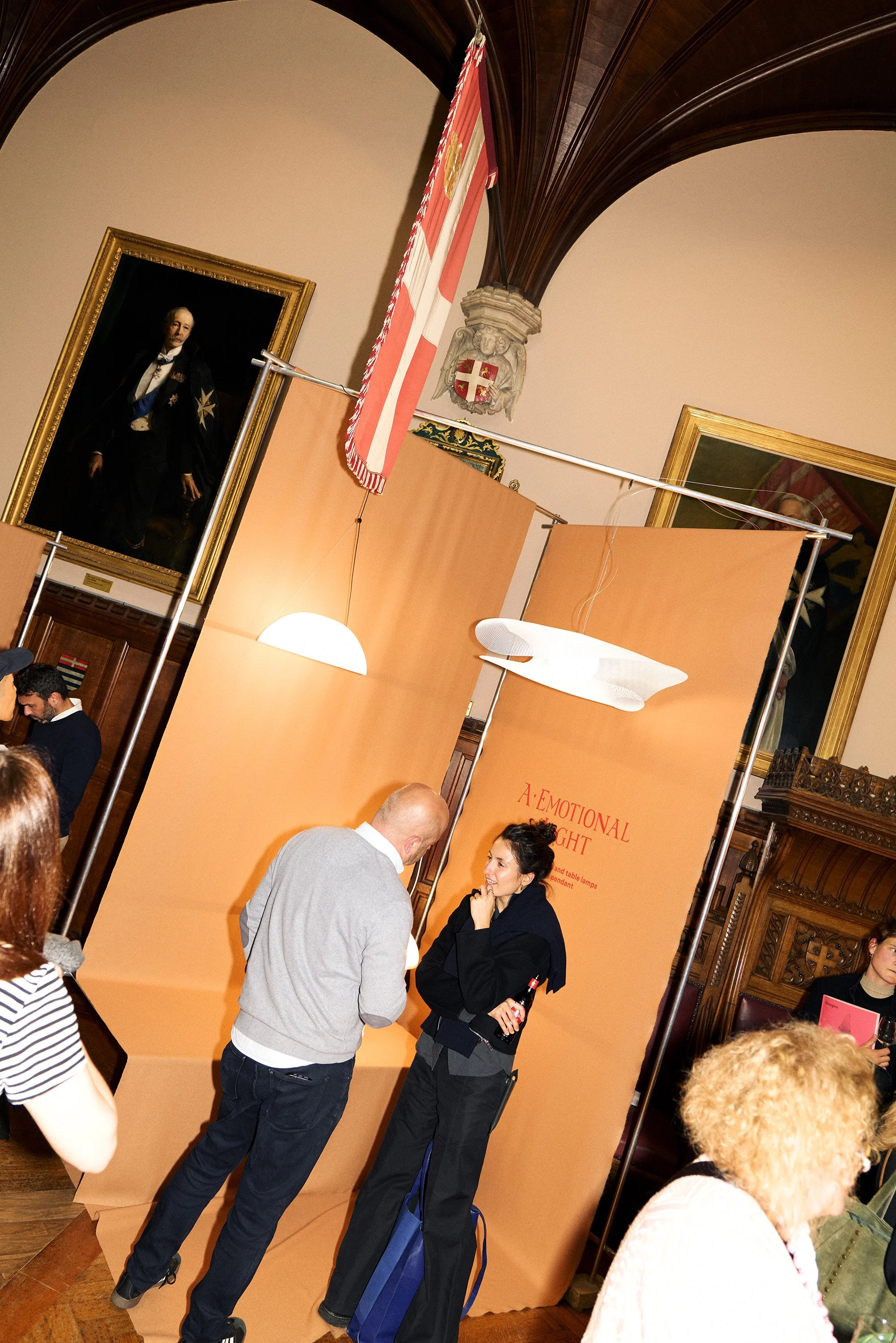
Within this space, El Salón served as a kind of dialogue between different times and places. To display the work featured within the installation, Alonso designed a series of tubular metal display units whose engineering is concealed within bolts of worsted Focus upholstery fabric, manufactured by Gabriel. Draped over the structures, before being allowed to unfurl across the floor of the Chapter Hall, this fabric provided a backdrop to new products from leading Spanish design brands – APE Grupo, a·emotional light, BPM Lighting, Huguet, Ideatec, Joquer, RS Barcelona, Sanycces and Sellex – running the gamut from furniture to lighting, bathroom to surface solutions. It is a display of the quality, breadth and depth of Spanish design in 2026, unfurled within a rich seam of architectural history.
“Chapter Hall is, in essence, the living room or salón of the Museum of the Order of St John,” Alonso explains. “It’s the hub of a building where interactions take place. We thought it would be interesting to push that idea.” In this spirit, El Salón was conceived of as a space in which Spanish design could reach out to a broad audience throughout Clerkenwell Design Week – a living room that could show the exhibited designs in a setting which gestured at domesticity in opposition to the rigidity and formality of a conventional trade fair, while also feeling like a natural extension of Oldrid Scott’s space.
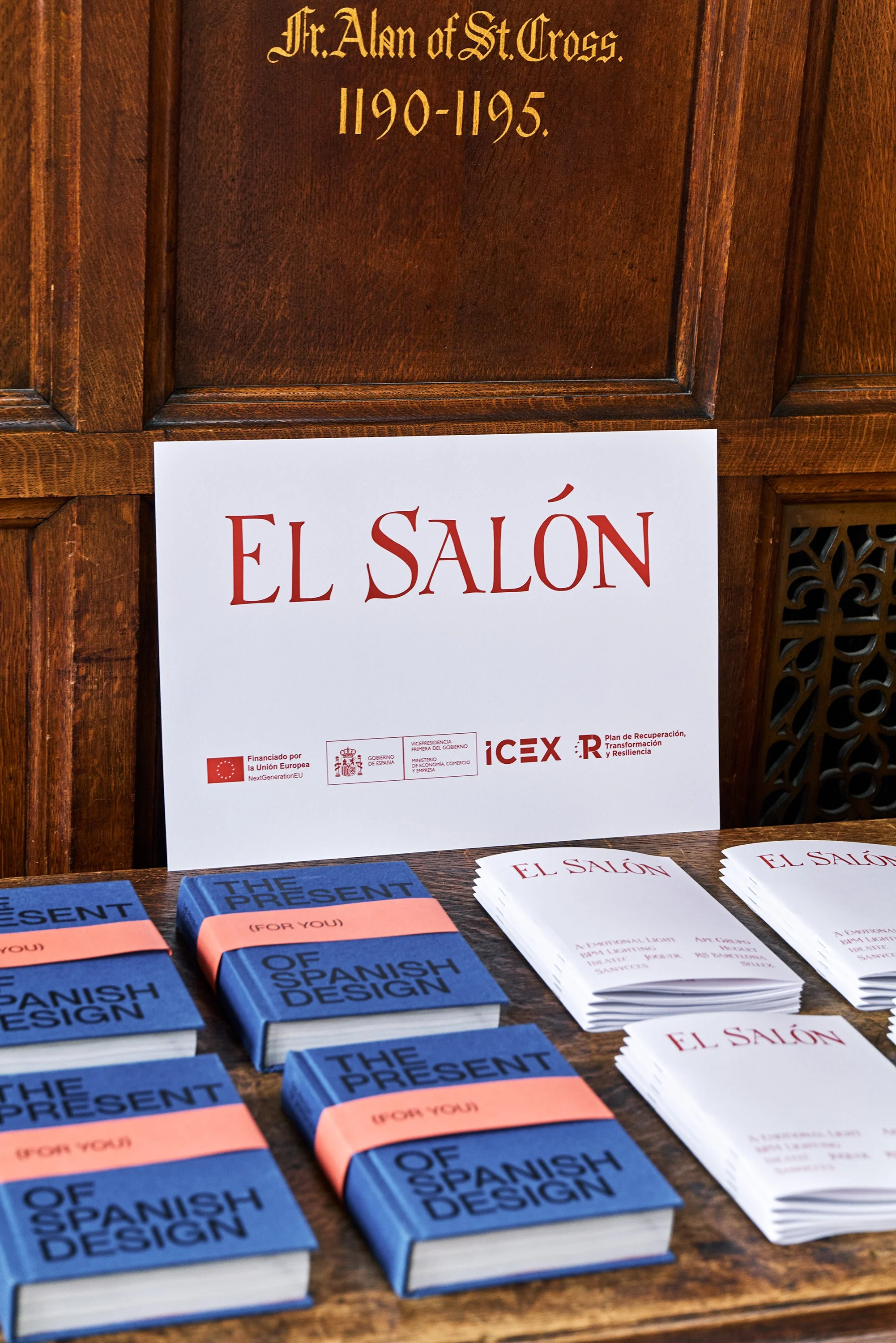
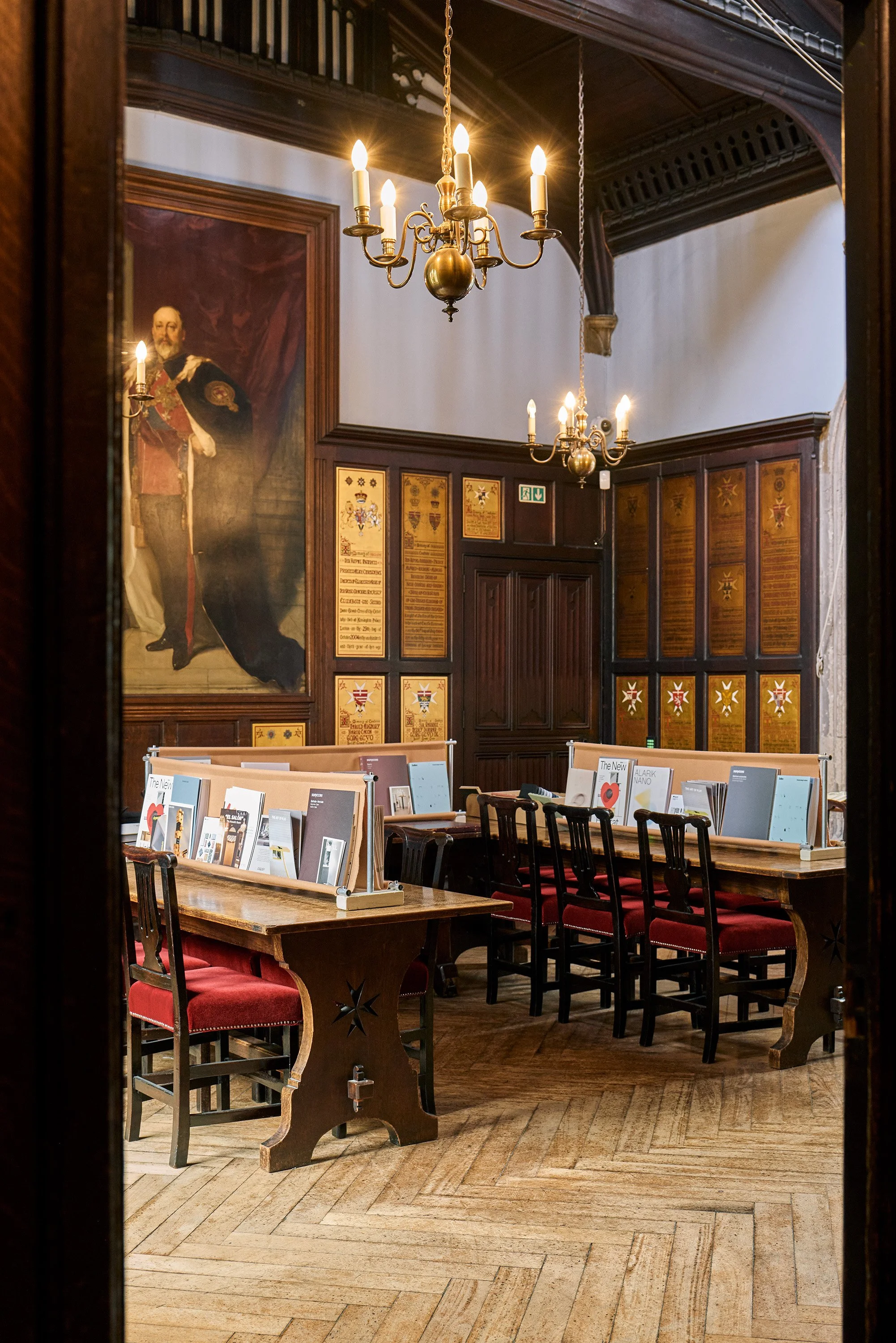
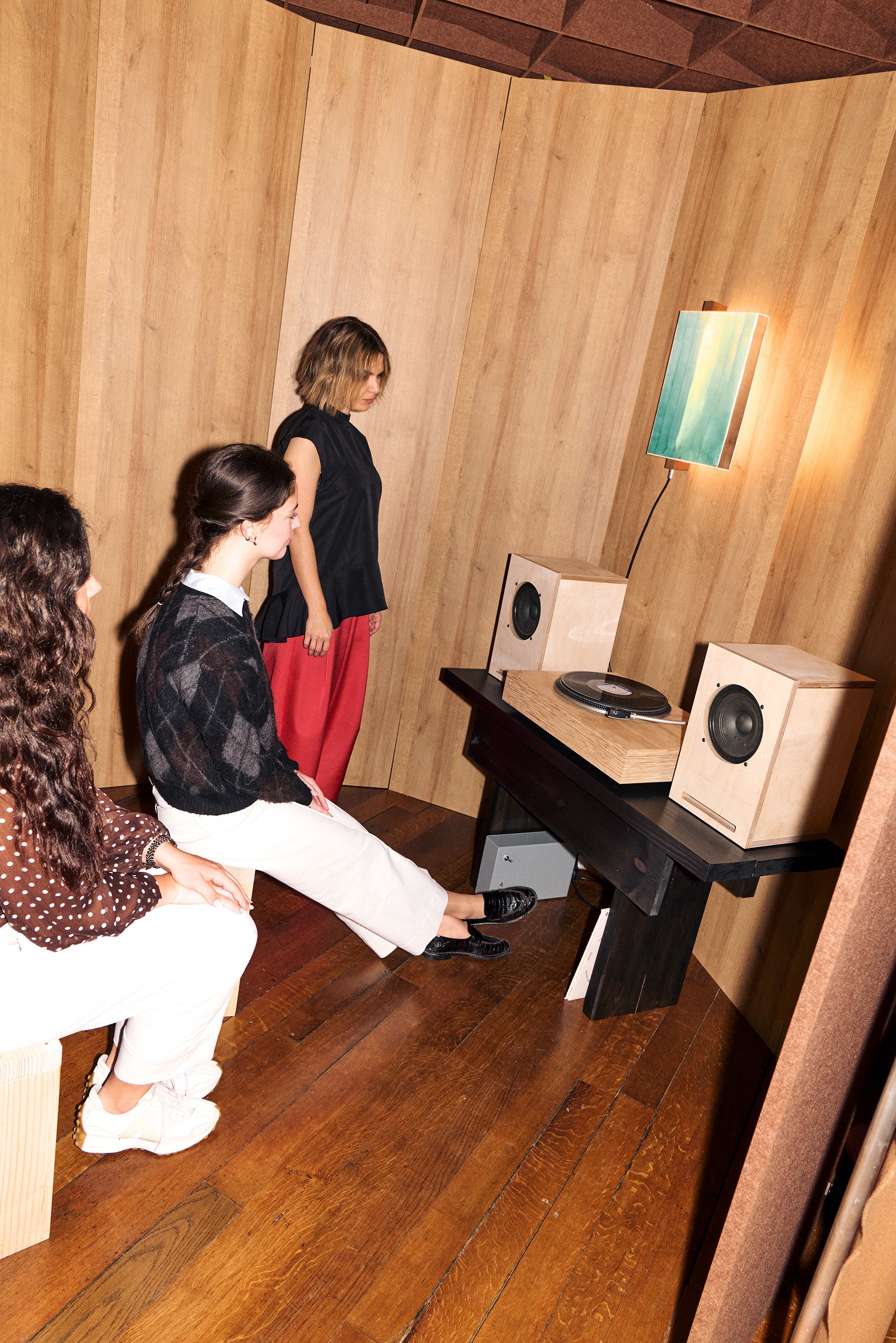
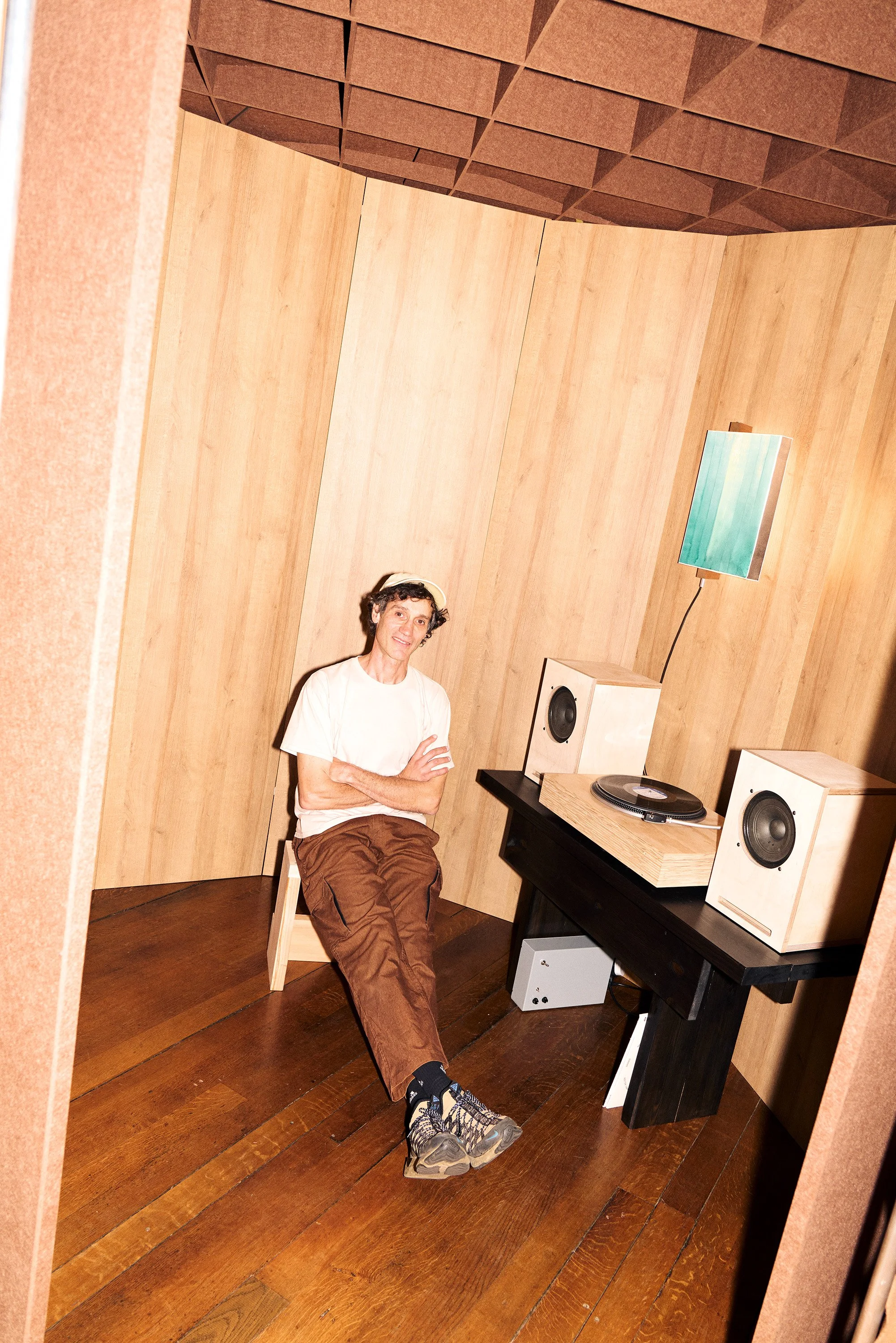
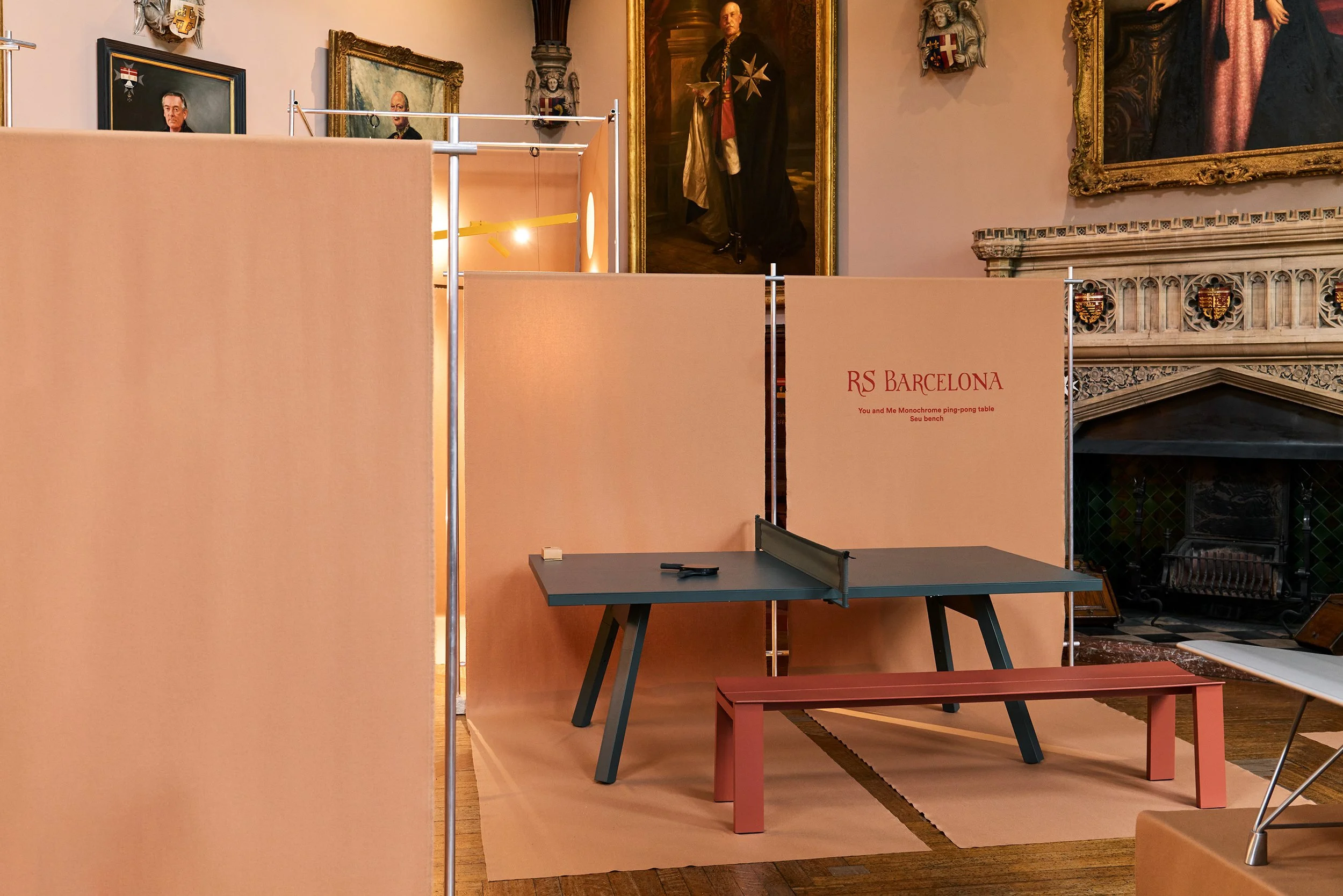
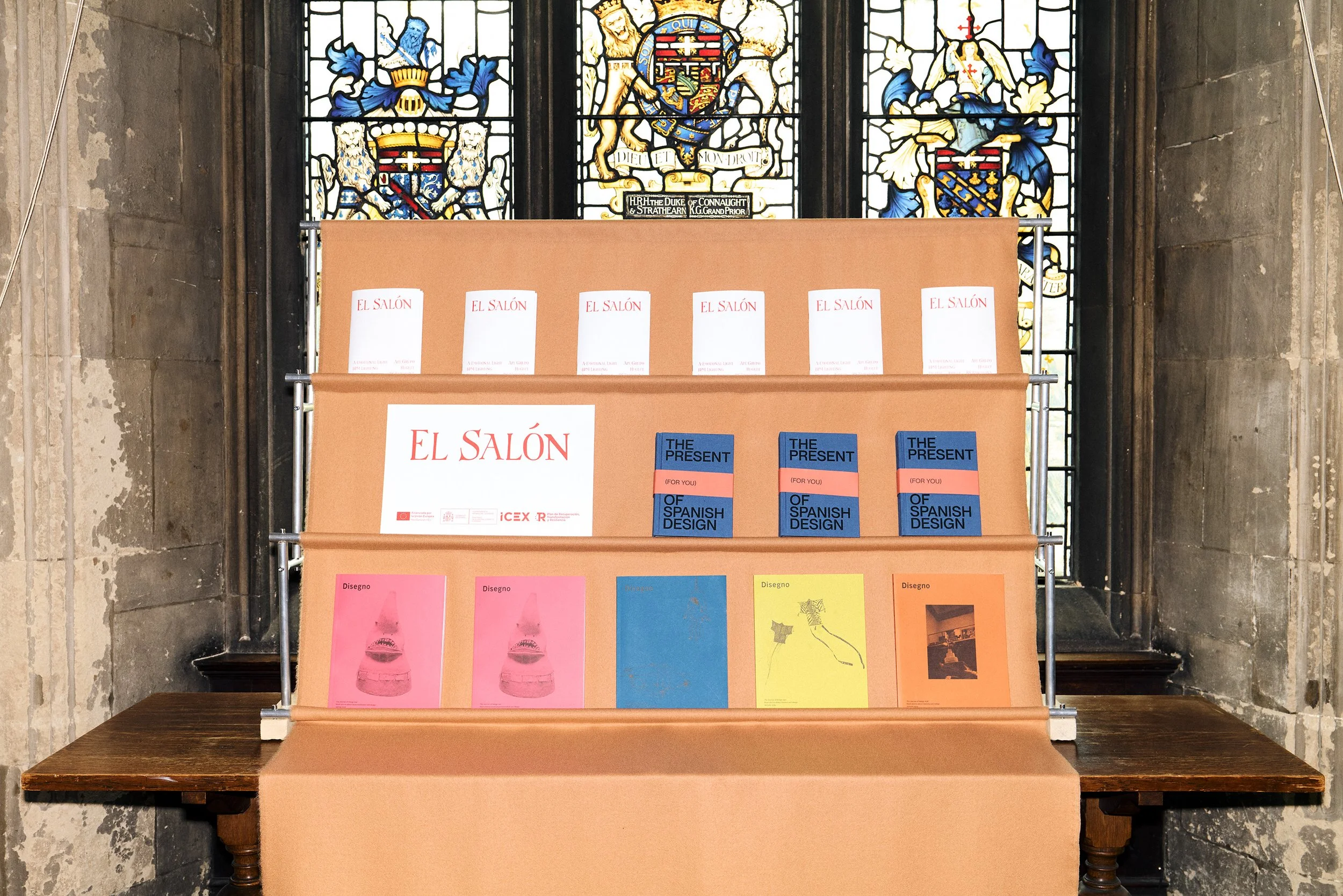
While the majority of exhibiting companies displayed their work within the Chapter Hall itself, the adjoining Old Chancery contained a custom sound booth lined with acoustic panels developed by Ideatec – a design decision intended to emphasise the importance of seeing products in use. Within this space, visitors could experience the impact of the panels through a turntable and speakers designed and built by designer Philipp Von Lintel, illuminated by a painted paper lamp created by Alonso. Similarly, a reading room was created in the museum’s 16th-century Council Chamber to offer publications that could provide additional context to both contemporary Spanish design and the installation, overlooked by Whitefriars Glass and plaques dedicated to the memory of Knights and Dames of the Order of St John.
Playing with this history, and respecting the grandeur of the museum, was central to Alonso’s design. Each display unit, for instance, was balanced and rooted in a block of sandstone in reference to the building materials with which the museum was created. Meanwhile, the graphic identity of the exhibition, designed by Érika Muller, developed a custom typeface whose letterforms were all drawn from text extracted from the stained glass and plaques that are seeded throughout the museum. Rather than play into stereotypes surrounding Spanish design, which often revolve around ideas of bright colours and vibrancy, Alonso and Muller created an installation that was calm and discreet, and which was sympathetic to the richness of its surroundings – as well as prioritising lightweight, east to disassemble display units that could be easily recycled and reused following the exhibition. Rather than attempt to dominate the space, El Salón sought to sensitively insert contemporary design within a historic setting.
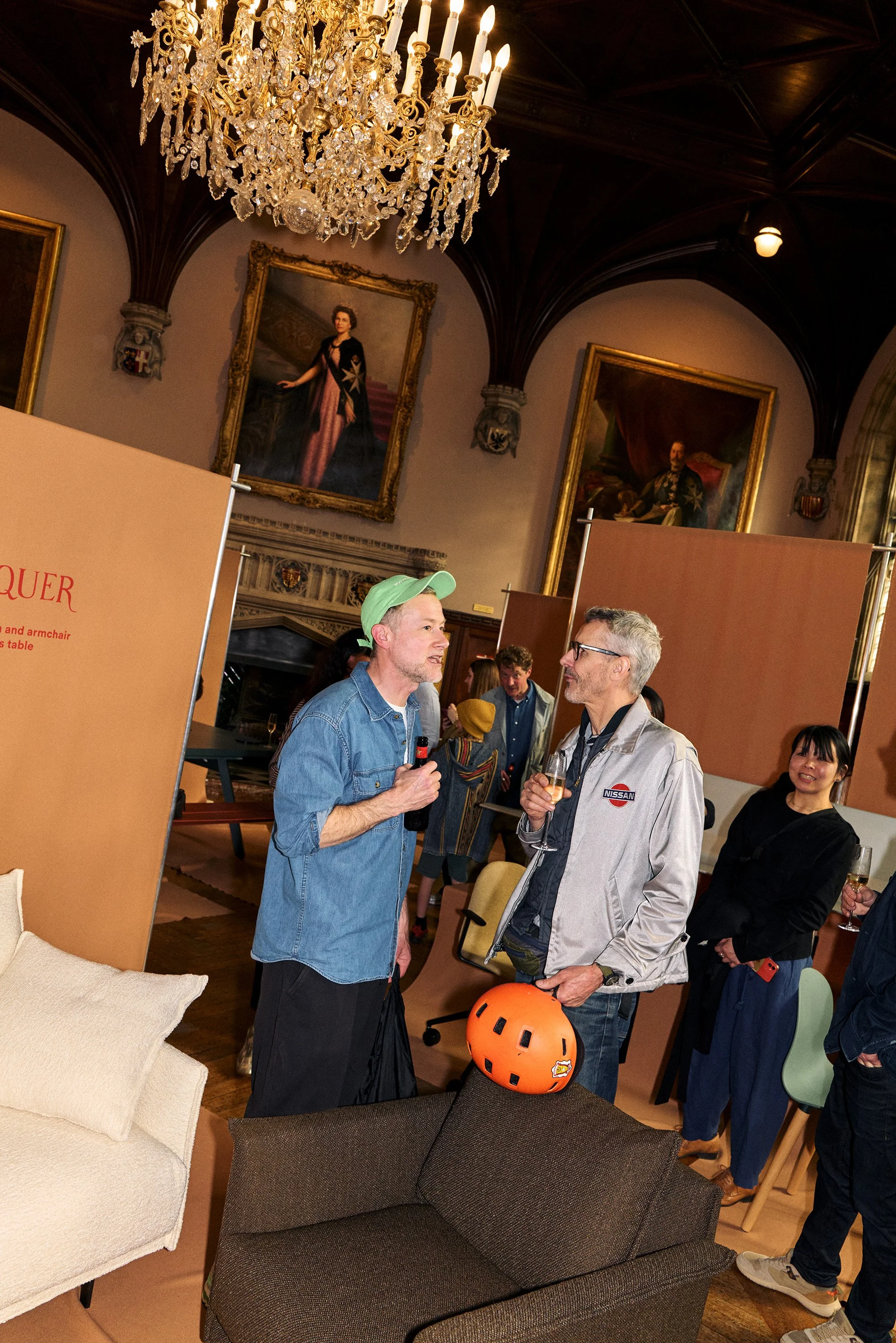
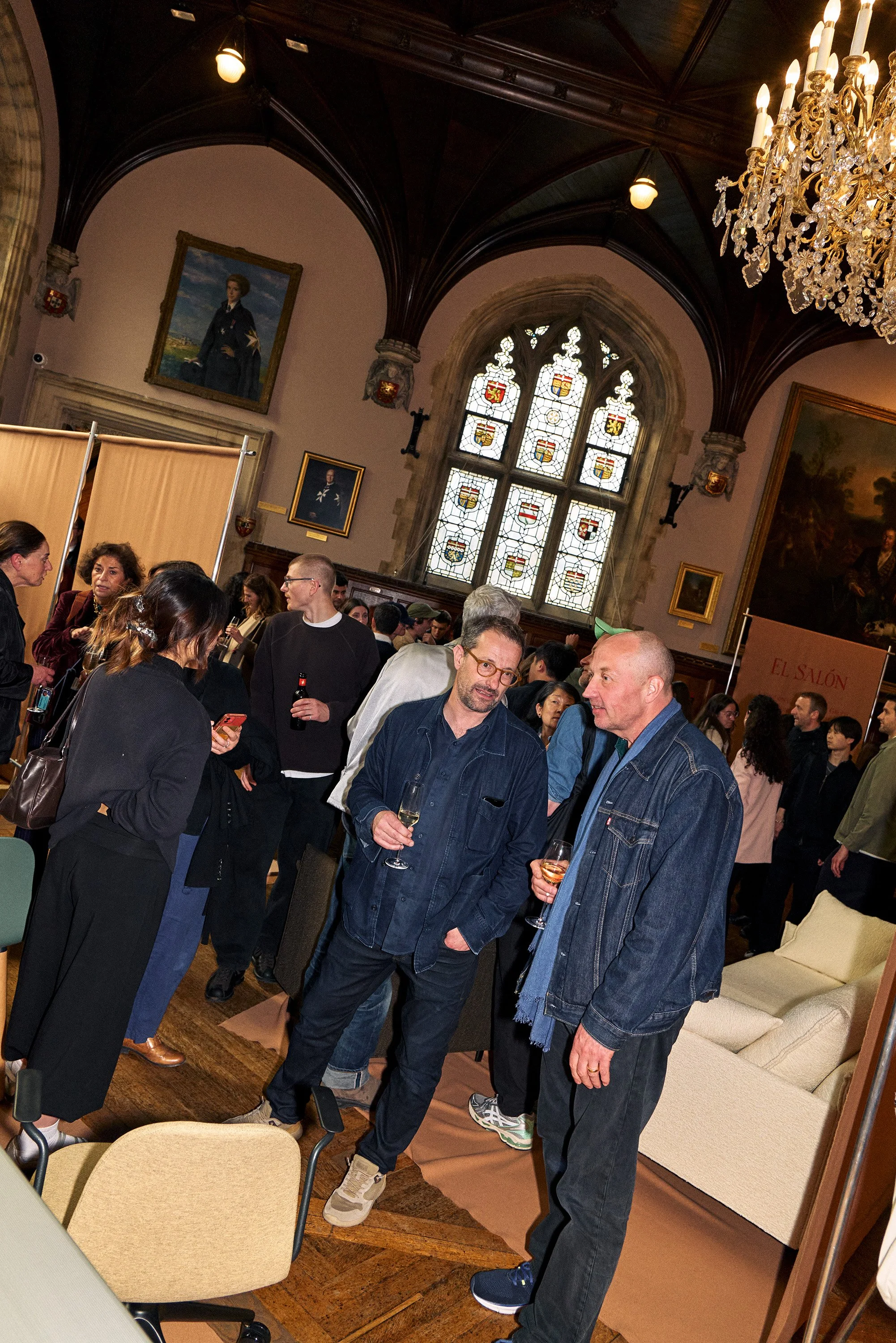
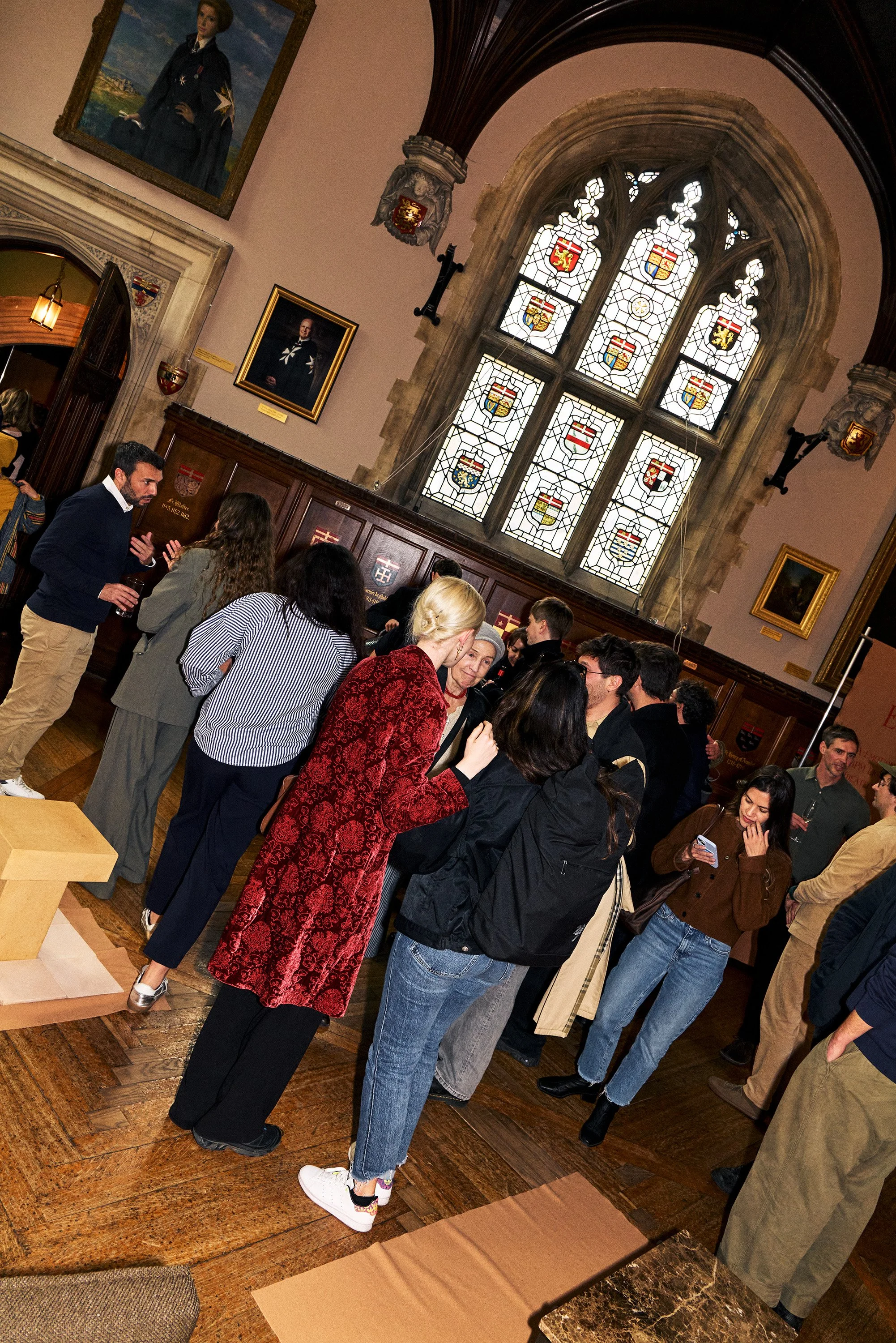
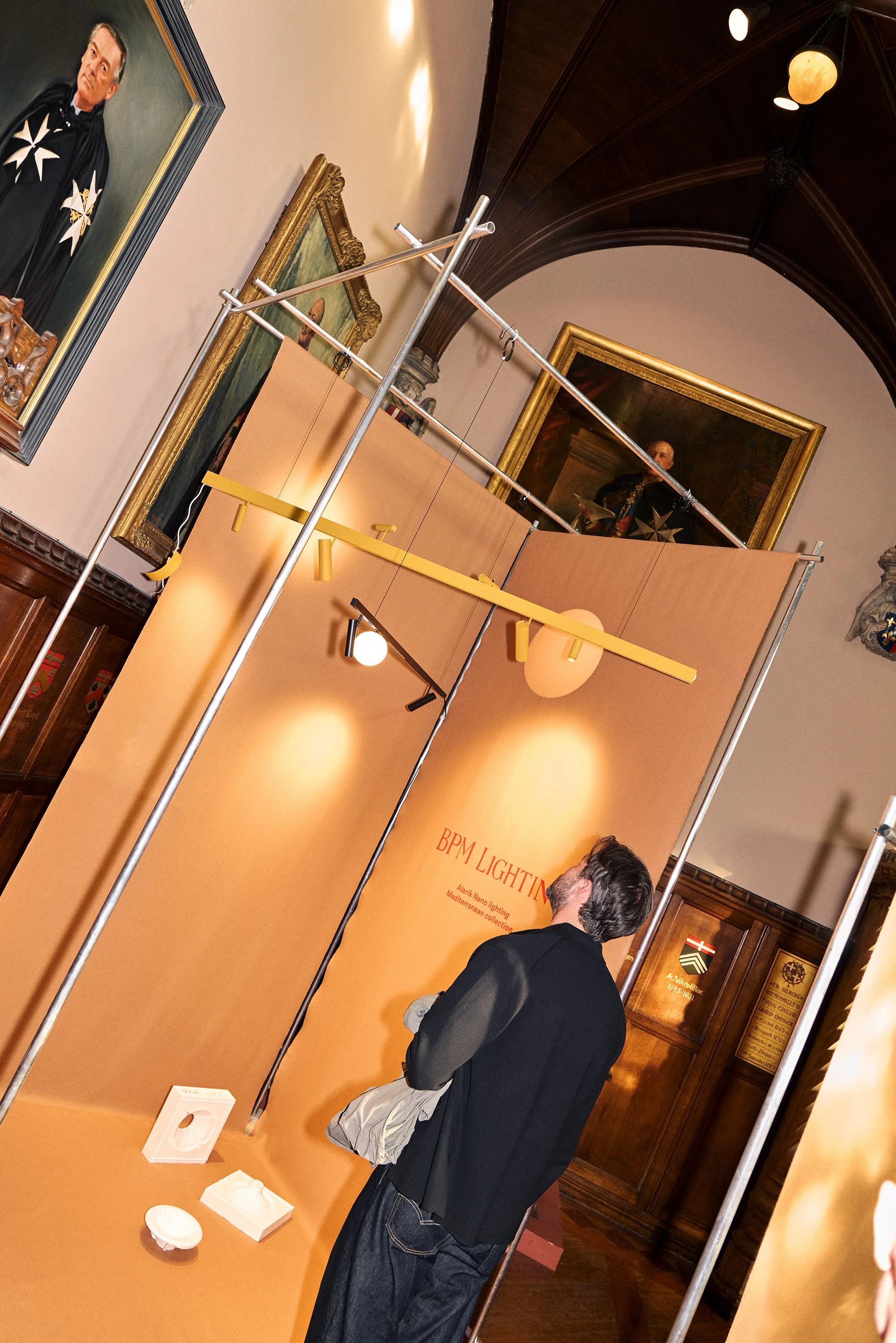
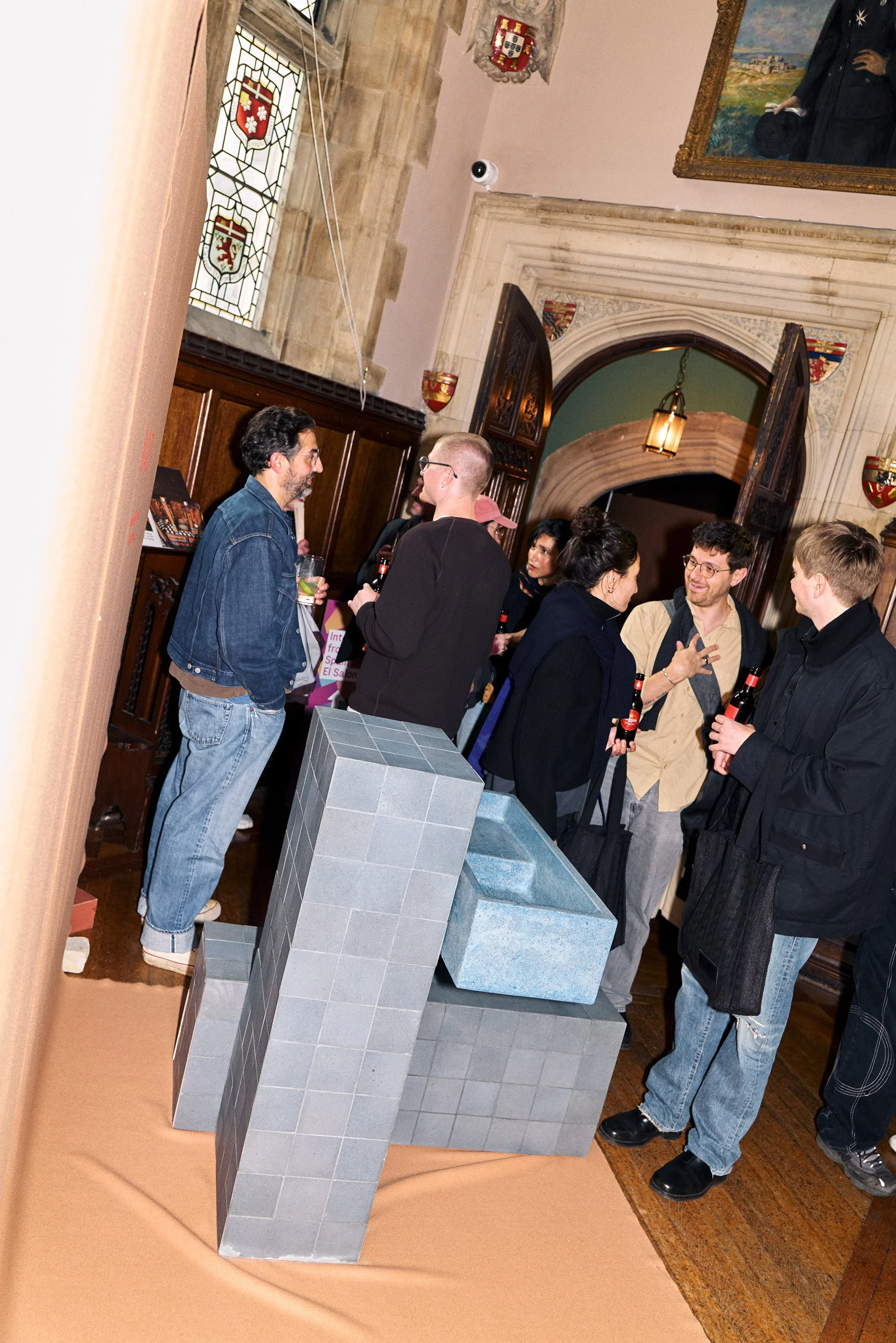
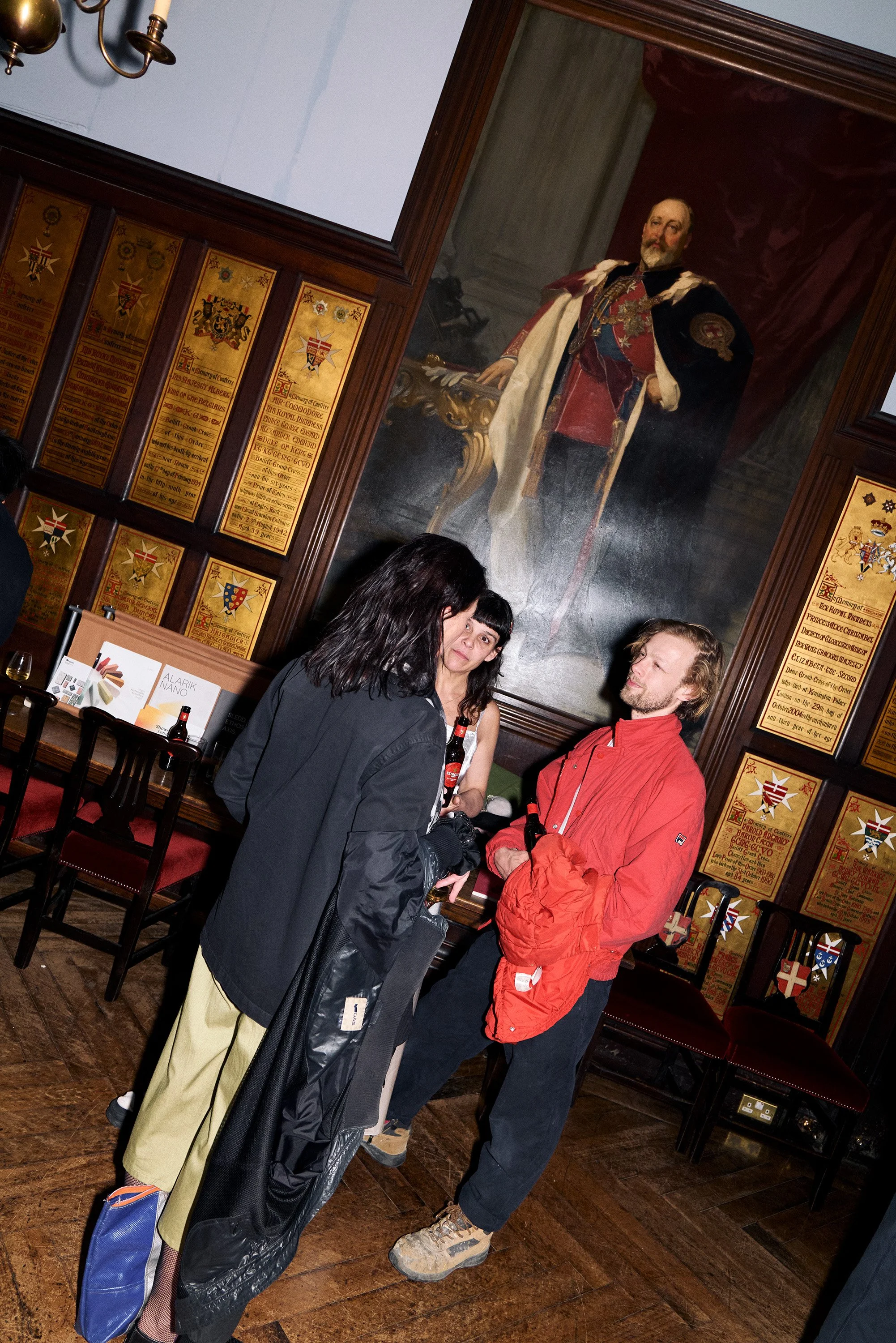
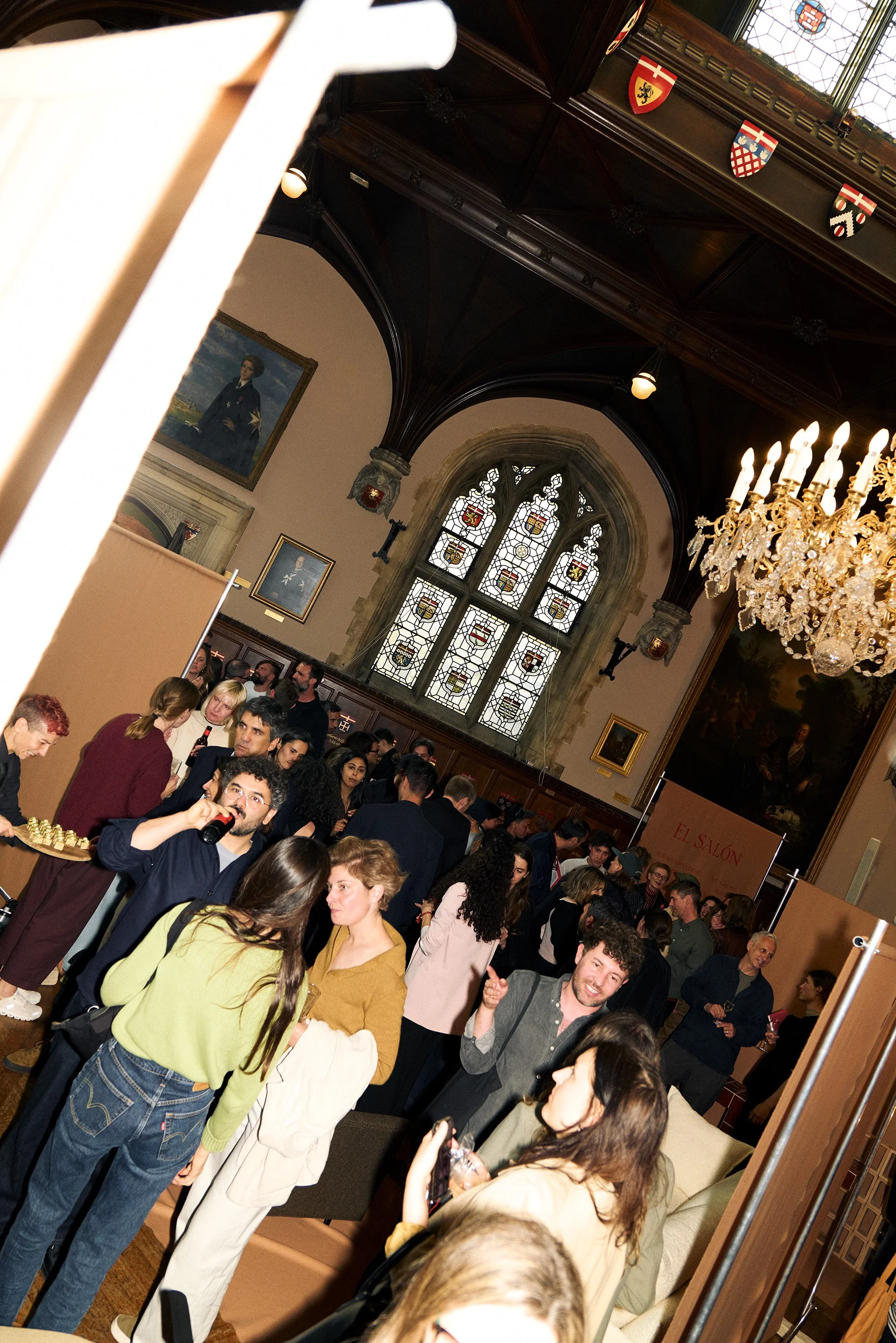
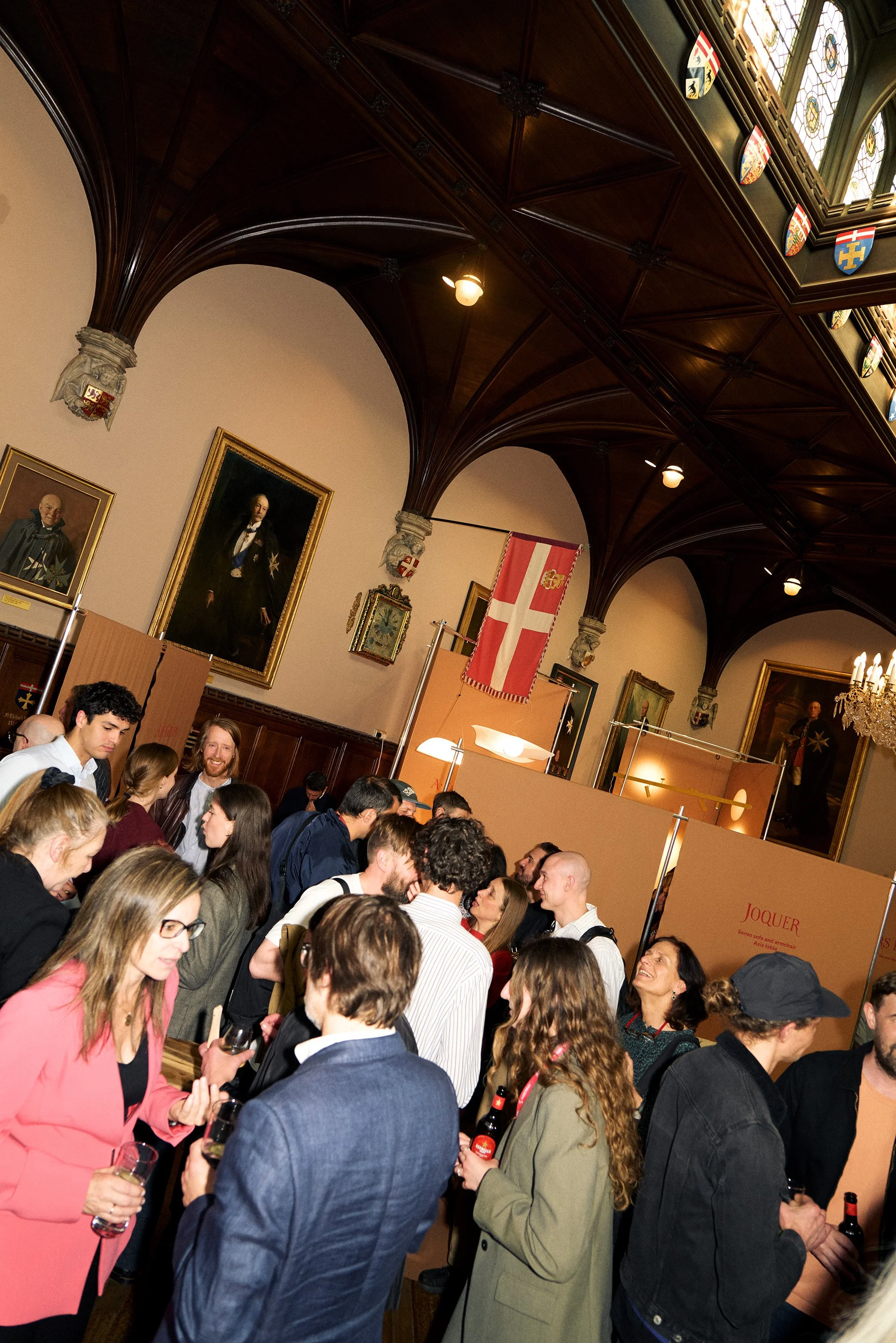
In this sense, El Salón was designed to sit within juxtapositions. It was an intimate display of contemporary interior design, installed inside the grandeur of a Neo-Gothic hall; and a celebration of Spanish innovation, craftsmanship and materials, taken root in the heart of London. This emphasis on plurality was purposeful, because El Salón sought to show Spanish design as it is today: rich, complex and varied, and in intimate dialogue with the design histories, traditions and sensibilities of other countries from around the world. In El Salón, Alonso created the kind of salón in which these connections naturally bear fruit.